

Emergency & Help
24/7 Emergency & General Advisory
🚨 24/7 Medical Emergency
Non-Emergency Advisory
10:00 AM – 6:00 PM, Mon–Sat
For appointments & general queries.
24/7 Emergency & General Advisory
🚨 24/7 Medical Emergency
Non-Emergency Advisory
10:00 AM – 6:00 PM, Mon–Sat
For appointments & general queries.
Understand Medicare eligibility rules for first responders, including standard age requirements, disability exceptions, and proposed legislation for earlier access. Learn about retirement options and where to find official information.

First responders are the backbone of our communities, working tirelessly to keep us safe. Firefighters, police officers, EMTs, and paramedics often face demanding situations and occupational hazards. Given the physical toll their jobs can take, many wonder about their healthcare coverage, especially if they consider retiring before the traditional Medicare age of 65. This guide explores Medicare eligibility for first responders, the current rules, and proposed changes that could offer earlier access to coverage.
In the United States, Medicare is a federal health insurance program primarily for people aged 65 or older. However, it also covers younger individuals with certain disabilities and End-Stage Renal Disease (ESRD). For most first responders, the standard eligibility rules apply.
Generally, you qualify for Medicare if you meet these criteria:
If you are under 65 and have a qualifying disability or ESRD, you may also be eligible. This typically requires receiving Social Security Disability Insurance (SSDI) for at least 24 months.
Currently, first responders, like all other U.S. citizens and permanent residents, are eligible for Medicare starting at age 65. The mandatory Medicare coverage rule, established in 1986, requires state and local government employees hired after March 31, 1986, to have Medicare coverage. This means that if you are a first responder hired after this date, Medicare is a mandatory part of your employment benefits.
Some government employees, including first responders, may also receive retirement benefits that combine Social Security and Medicare, or Medicare alone, through agreements with the Social Security Administration (known as Section 218 Agreements).
The demanding nature of first responder jobs can lead to early retirement. Many first responders consider retiring before age 65 due to the physical wear and tear on their bodies, reduced physical abilities, or specific health conditions developed on the job. If you retire before 65 and do not qualify for Medicare based on disability, you might need to explore other health insurance options, such as COBRA or marketplace plans, until you reach age 65.
A common scenario is a firefighter who has served for 30 years, developed chronic back pain, and wishes to retire at 55. Without early Medicare eligibility, they would need to secure private health insurance for the next 10 years, which can be costly.
Recognizing the unique challenges faced by first responders, lawmakers have introduced legislation aimed at providing earlier Medicare access. These bills seek to lower the eligibility age for first responders, particularly those retiring early due to disability.
While these bills have been introduced and referred to committees, they have not yet been passed into law. It's important to stay informed about legislative updates regarding these proposals.
It's important to distinguish Medicare from Medicaid. Medicaid is a state and federal program that provides health coverage to individuals with low income. Eligibility for Medicaid has different criteria, focusing on financial need, state residency, and citizenship status. While some first responders might qualify for Medicaid based on income after retirement, it is a separate program from Medicare and has distinct eligibility requirements.
Navigating healthcare benefits can be complex. If you are a first responder considering retirement or concerned about your health coverage, it is advisable to seek information directly from official sources.
Actionable Steps:
Typically, first responders become eligible for Medicare at age 65, just like most other U.S. citizens and permanent residents. Exceptions exist for those with certain disabilities or End-Stage Renal Disease (ESRD).
Yes, there have been proposed bills, such as the Expanding Health Care Options for First Responders Act, that aim to lower the Medicare eligibility age for first responders to 50, especially for those retiring due to disability. However, these bills have not yet been passed into law.
If you retire before age 65 and are not eligible for Medicare due to disability, you will need to find alternative health insurance. Options may include continuing coverage through COBRA (if available from your former employer), purchasing a plan through the Health Insurance Marketplace, or exploring private insurance plans.
When you apply for Medicare, you will typically need your Social Security number, proof of U.S. citizenship or lawful permanent residence, and details about your employment history (or your spouse's) to confirm eligibility based on work history. If applying due to disability, you'll need documentation of your disability status and SSDI benefits.
Medicare is a federal health insurance program primarily for people aged 65 and older, or those with certain disabilities. Medicaid is a joint federal and state program that helps cover medical costs for people with low incomes. Their eligibility criteria and benefits differ significantly.
Visit Hospital
Near You
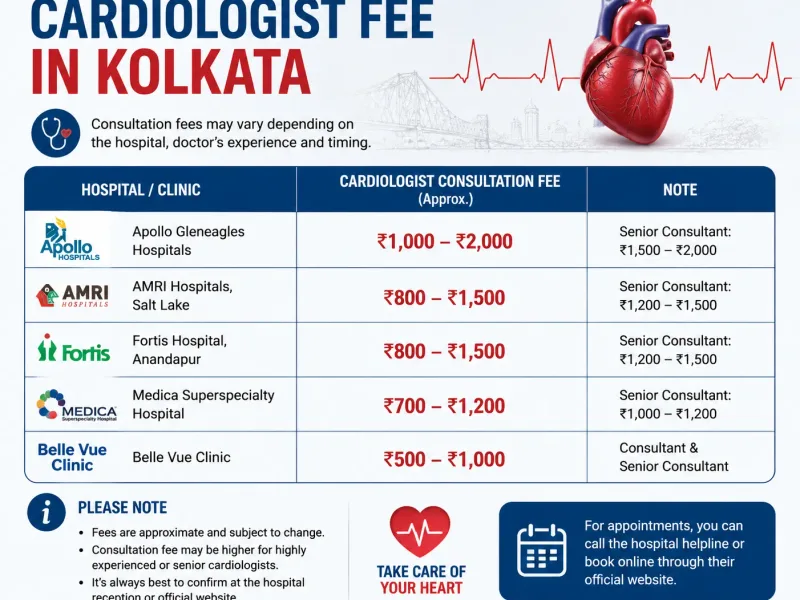
Learn about cardiologist fee in Kolkata, consultation charges, factors affecting costs, and tips to choose the right heart specialist.
May 29, 2026
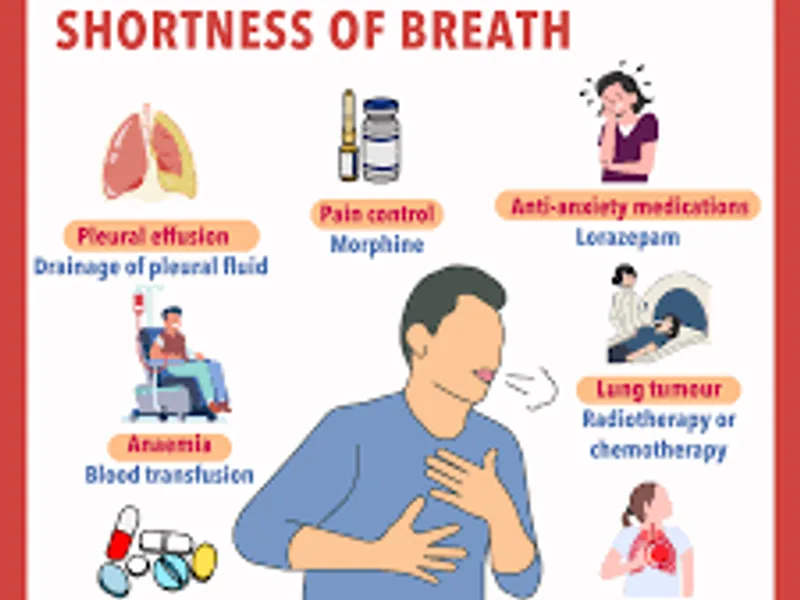
A simple guide to the best shortness of breath specialist in Kolkata, including causes, symptoms, treatment options, and expert medical advice.
May 29, 2026

Find the best chest pain doctor in Kolkata. Learn causes, symptoms, tests, and treatment options from top heart specialists in simple English.
May 29, 2026