

Emergency & Help
24/7 Emergency & General Advisory
🚨 24/7 Medical Emergency
Non-Emergency Advisory
10:00 AM – 6:00 PM, Mon–Sat
For appointments & general queries.
24/7 Emergency & General Advisory
🚨 24/7 Medical Emergency
Non-Emergency Advisory
10:00 AM – 6:00 PM, Mon–Sat
For appointments & general queries.
Learn how to reinstate your Medicare Part B coverage if you've dropped it or missed enrollment. Understand enrollment periods, penalties, and the application process.

Losing Medicare Part B coverage can feel worrying, especially when you rely on it for doctor visits and medical services. But what if you've had to disenroll or missed your initial enrollment window? The good news is that you can often get your Medicare Part B coverage reinstated. This guide will walk you through the process, covering when you can reenroll, the forms you'll need, and potential penalties. We aim to make this information clear and actionable for you.
Medicare Part B is a vital part of Original Medicare. It helps cover outpatient services, doctor's appointments, preventive care, medical supplies, and durable medical equipment. To qualify for Medicare Part B, you generally need to be 65 or older, or have a qualifying disability and receive Social Security disability benefits.
Medicare provides specific times when you can sign up for or make changes to your coverage. Missing these windows can sometimes lead to penalties, so it's important to know your options.
This is a 7-month period that begins 3 months before the month you turn 65, includes your birthday month, and ends 3 months after your birthday month. For example, if your birthday is in June, your IEP runs from March 1 to September 30.
Tip: It's highly recommended to enroll during the first 3 months of your IEP. This ensures your coverage starts as soon as possible and helps you avoid potential delays or gaps.
You might qualify for a Special Enrollment Period if you had health insurance through an employer or your spouse's employer when you first became eligible for Medicare. This period typically lasts for 8 months and begins the month after your employment or group health plan coverage ends. You may also qualify for an SEP if you're a volunteer in another country or if you have other qualifying life events. These periods allow you to sign up without a late enrollment penalty.
If you miss your IEP and don't qualify for an SEP, you can sign up during the General Enrollment Period. This period runs annually from January 1 to March 31. Coverage typically begins on July 1 of that year. However, enrolling during the GEP often means you'll pay a late enrollment penalty.
From January 1 to March 31 each year, you can switch from one Medicare Advantage plan to another, or you can switch back to Original Medicare (which includes Part B).
This is a very important period, running from October 15 to December 7 each year. During this time, you can make significant changes to your Medicare coverage. You can switch from a Medicare Advantage plan back to Original Medicare. You can also change your Medicare Advantage plan or add, remove, or change your Medicare Part D (prescription drug) plan.
If you've canceled or were disenrolled from Part B, you'll need to reapply. The process involves:
One of the biggest considerations when reenrollment is missed is the potential for a late enrollment penalty. If you don't sign up for Part B when you're first eligible and don't have other creditable coverage (like through an employer), you may have to pay a penalty. This penalty is added to your monthly Part B premium and can last for as long as you have Part B coverage. The penalty is typically 10% of the standard monthly premium for each full 12-month period you were eligible but didn't sign up.
Real-life scenario: Mrs. Sharma, who is 67, decided to keep her private health insurance after turning 65 because her employer offered a good plan. Now, she wants to switch to Medicare Part B but hasn't enrolled yet. She realizes she might face a late enrollment penalty because she didn't enroll during her Initial Enrollment Period or have a qualifying Special Enrollment Period.
In certain circumstances, you might be able to get reinstatement without penalties through the Medicare Good Cause policy. This applies if you can prove there was a valid reason (a “good cause”) for not paying your premiums or enrolling on time. Reasons might include a serious illness, a medical emergency, or other unavoidable situations that prevented you from managing your Medicare enrollment. If approved, you will still need to pay all owed premiums within a set timeframe to resume coverage.
While this guide provides information on reinstating Medicare Part B, it's always wise to speak with professionals when dealing with health insurance. If you're unsure about your eligibility, the enrollment periods, or the potential penalties, consider:
Understanding how to get your Medicare Part B coverage back is essential for ensuring you have the healthcare support you need. By knowing the enrollment periods and application process, you can take confident steps toward reinstating your benefits.
A: Sometimes, if you already have Part A and are reenrolling in Part B, the online process through the SSA website might be limited. In such cases, you may need to mail, fax, or visit a Social Security office with your completed forms and documentation.
A: If you miss the GEP (January 1 - March 31), you'll likely have to wait until the next GEP to enroll. This could mean a significant gap in coverage and may also result in a late enrollment penalty.
A: The Part B late enrollment penalty typically lasts for as long as you have Part B coverage. It's calculated as 10% of the standard monthly premium for each full 12-month period you were eligible but didn't sign up.
Overall, early action and medically verified advice remain the safest approach.
Visit Hospital
Near You
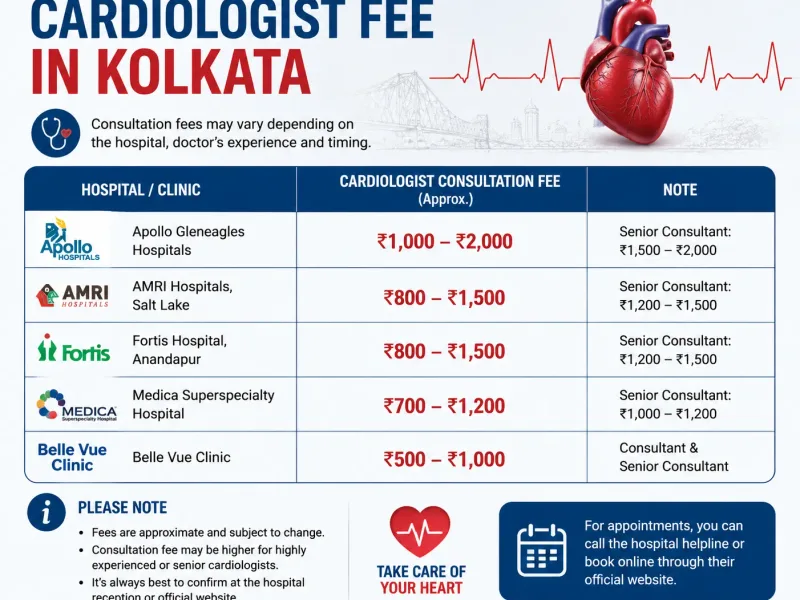
Learn about cardiologist fee in Kolkata, consultation charges, factors affecting costs, and tips to choose the right heart specialist.
May 29, 2026
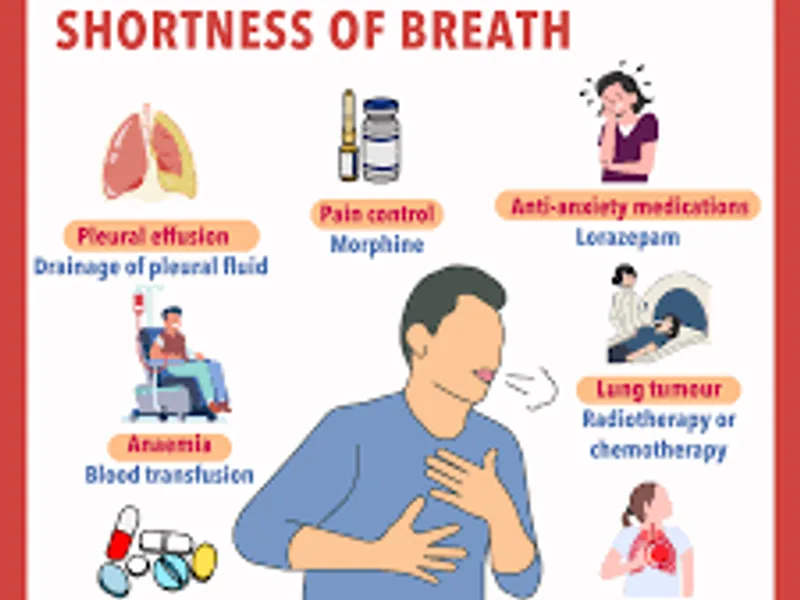
A simple guide to the best shortness of breath specialist in Kolkata, including causes, symptoms, treatment options, and expert medical advice.
May 29, 2026

Find the best chest pain doctor in Kolkata. Learn causes, symptoms, tests, and treatment options from top heart specialists in simple English.
May 29, 2026