

Emergency & Help
24/7 Emergency & General Advisory
🚨 24/7 Medical Emergency
Non-Emergency Advisory
10:00 AM – 6:00 PM, Mon–Sat
For appointments & general queries.
24/7 Emergency & General Advisory
🚨 24/7 Medical Emergency
Non-Emergency Advisory
10:00 AM – 6:00 PM, Mon–Sat
For appointments & general queries.
Explore removable braces (clear aligners) for a straighter smile in India. Learn about their effectiveness, how they work, pros, cons, cost, and when to consult an orthodontist.
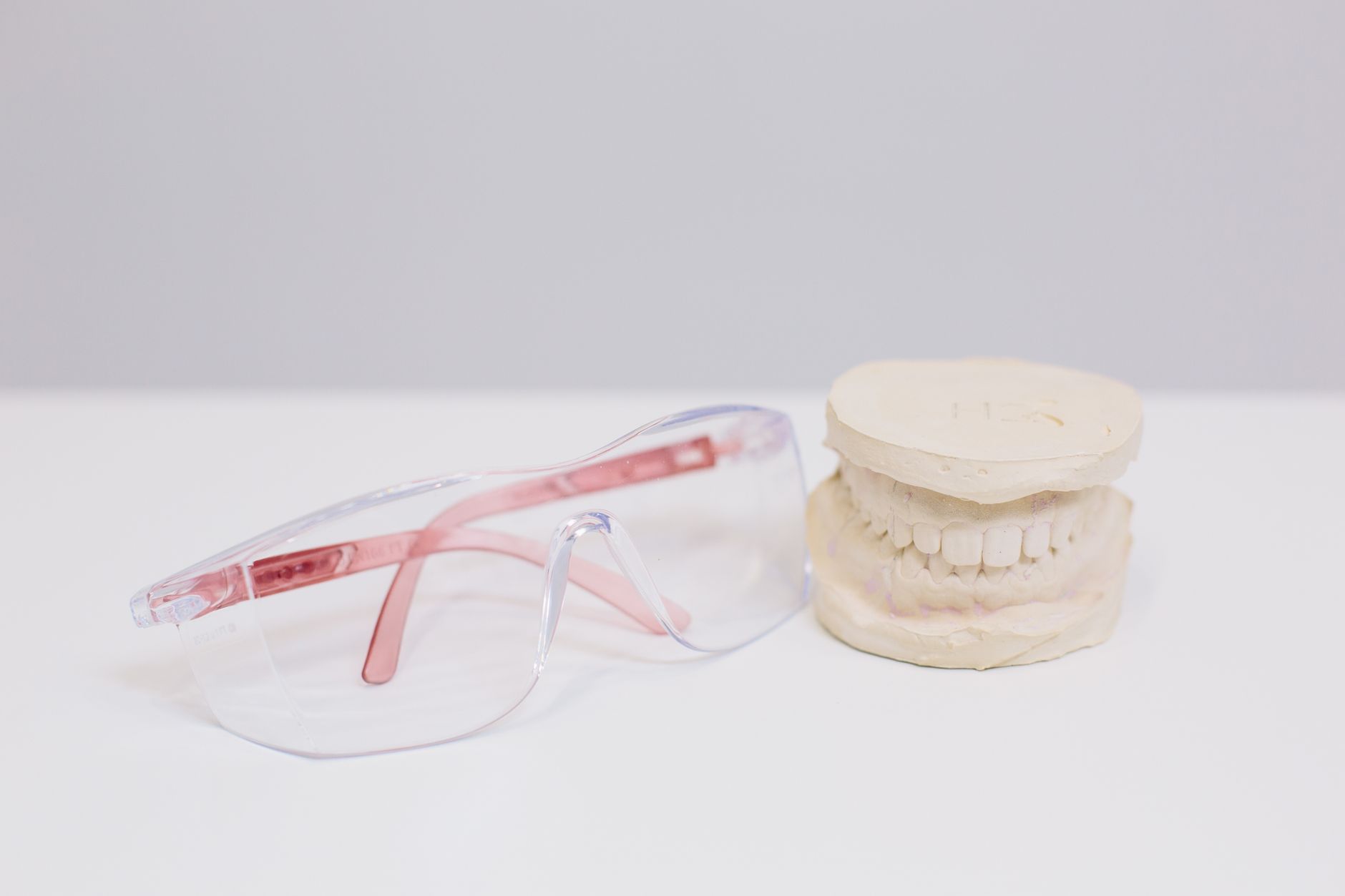
Are you dreaming of a straighter smile but hesitant about the look of traditional metal braces? You're not alone! Many people in India are exploring options that blend effectiveness with discretion. Enter removable braces, often known by brand names like Invisalign or ClearCorrect. These clear aligners offer a modern approach to orthodontic treatment, gently guiding your teeth into their ideal positions. But how do they work, are they the right choice for you, and what should you expect during treatment? Let's dive into everything you need to know about removable braces.
Imagine custom-made, clear plastic trays that fit snugly over your teeth. That's essentially what removable braces are. Unlike traditional braces that use wires and brackets cemented to your teeth, these aligners are designed to be taken out. Each set of aligners represents a step in your orthodontic journey. You'll wear a series of these trays, typically swapping them out every one to two weeks as your teeth gradually shift. A course of treatment usually spans about 12 to 18 months, though this can vary significantly based on individual needs.
The magic lies in precise pressure. Your orthodontist, or a virtual orthodontist through a direct-to-consumer service, will create a detailed treatment plan based on X-rays, dental impressions, and sometimes 3D scans of your teeth. This plan maps out the exact movement of each tooth. Your custom aligners are then fabricated to match each stage of this journey. When you wear an aligner, it exerts gentle, controlled force on specific teeth, encouraging them to move. As your teeth gradually shift into the desired position, you'll move on to the next set of aligners in the series, each designed for the next stage of correction.
Removable braces are often ideal for individuals who need minor to moderate adjustments to their teeth and bite alignment. They can effectively:
However, if you have very complex orthodontic issues, such as severe crowding or significant jaw alignment problems, traditional braces might still be the more effective option. A thorough consultation with an orthodontist is key to determining the best approach for your unique situation.
The appeal of removable braces is undeniable, especially for adults and teens seeking a less conspicuous treatment:
Embarking on treatment with removable braces requires commitment. Here’s a breakdown of what you can expect:
The golden rule is to wear your aligners for 20 to 22 hours a day. This means wearing them almost constantly, only removing them for meals, snacks, and your daily oral hygiene routine. Consistency is absolutely vital for achieving the desired results. Think of them as a temporary commitment for a lifelong beautiful smile.
Always remove your aligners before eating or drinking anything other than plain water. Sugary drinks or staining foods can get trapped between the aligner and your teeth, increasing the risk of cavities and discoloration. After you eat, brush your teeth and rinse your mouth before reinserting your aligners.
Rinse your aligners with lukewarm water and gently brush them with a soft toothbrush and clear mouthwash or a specialized aligner cleaner. Avoid hot water, as it can warp the plastic. Regular cleaning prevents odour and keeps them clear.
You’ll need to visit your orthodontist regularly, typically every 6 to 8 weeks. During these appointments, they'll check your progress, ensure your teeth are moving as planned, and provide you with your next sets of aligners. If you opt for a direct-to-consumer service, these check-ups will be virtual.
It's normal to feel some pressure or mild discomfort when you first start wearing a new set of aligners. This is a sign that they are working to move your teeth. This sensation usually subsides within a day or two.
The primary difference lies in their removability and appearance. Traditional braces are fixed, meaning they stay on your teeth throughout treatment. They are highly effective for a wide range of orthodontic issues. Removable braces offer the advantage of being discreet and easier to clean around.
A study published in 2018 indicated that aligners like Invisalign were effective in correcting mild to moderate teeth crowding and bite issues in patients who had completed their jaw growth. For more complex cases, or where precise torque control is critical, traditional braces might still be preferred by some orthodontists.
Scenario: Priya, a 28-year-old marketing professional in Mumbai, wanted to correct a slight gap between her front teeth before her wedding. She was concerned about how metal braces would look in client meetings and on photos. Her orthodontist recommended clear aligners. Priya diligently wore her aligners for 22 hours a day, removing them only for meals and her nightly brushing routine. She was thrilled to see the gradual changes and achieved her goal of a closed gap in just 9 months, feeling confident and beautiful for her big day.
The cost of removable braces can vary significantly depending on the complexity of your case, the brand of aligners used, and the orthodontist's fees. In India, you might expect the cost to range anywhere from ₹70,000 to ₹3,00,000 or more. Simpler treatments requiring fewer aligners will be at the lower end, while more extensive corrections will naturally cost more. It's essential to get a detailed quote from your orthodontist, which should include the cost of consultations, scans, aligners, and retainers.
Once your orthodontic treatment is complete and you have your beautifully aligned smile, the journey isn't quite over. Your teeth have been moved into new positions, and they have a natural tendency to shift back over time. This is where retainers come in. Your orthodontist will likely prescribe retainers, which are custom-made devices that hold your teeth in place. You'll typically need to wear these retainers consistently, especially during the initial period after treatment, and then often just at night. Skipping retainer use is one of the most common reasons why orthodontic results are lost.
If you're considering orthodontic treatment for yourself or your child, the first and most important step is to consult a qualified orthodontist. They can:
Don't hesitate to ask questions! A good orthodontist will take the time to ensure you understand every aspect of your treatment. Early consultation can help you make the most informed decision for your oral health and confidence.
You must remove your aligners before eating or drinking anything other than plain water. This prevents damage to the aligners and avoids trapping food or sugary drinks against your teeth.
You should wear them for 20 to 22 hours per day. They should only be removed for eating, drinking (other than water), and your oral hygiene routine.
You may experience mild discomfort or pressure when you first start wearing a new set of aligners. This is normal and indicates the aligners are working. The discomfort usually fades within a couple of days.
While some direct-to-consumer companies offer virtual consultations, it's crucial to understand their limitations. Impressions taken at home might not be as accurate as those taken by a dental professional. For the best and safest outcome, a thorough examination by a qualified orthodontist is always recommended.
Rinse them with lukewarm water, gently brush them with a soft toothbrush, and you can use a clear, alcohol-free mouthwash or a specialized aligner cleaning solution. Avoid hot water.
Visit Hospital
Near You

Learn about cardiologist fee in Kolkata, consultation charges, factors affecting costs, and tips to choose the right heart specialist.
May 29, 2026

A simple guide to the best shortness of breath specialist in Kolkata, including causes, symptoms, treatment options, and expert medical advice.
May 29, 2026

Find the best chest pain doctor in Kolkata. Learn causes, symptoms, tests, and treatment options from top heart specialists in simple English.
May 29, 2026