

Emergency & Help
24/7 Emergency & General Advisory
🚨 24/7 Medical Emergency
Non-Emergency Advisory
10:00 AM – 6:00 PM, Mon–Sat
For appointments & general queries.
24/7 Emergency & General Advisory
🚨 24/7 Medical Emergency
Non-Emergency Advisory
10:00 AM – 6:00 PM, Mon–Sat
For appointments & general queries.
Learn all about temporary dental fillings: what they are, why dentists use them, how they're placed, and how to care for them until your permanent restoration.
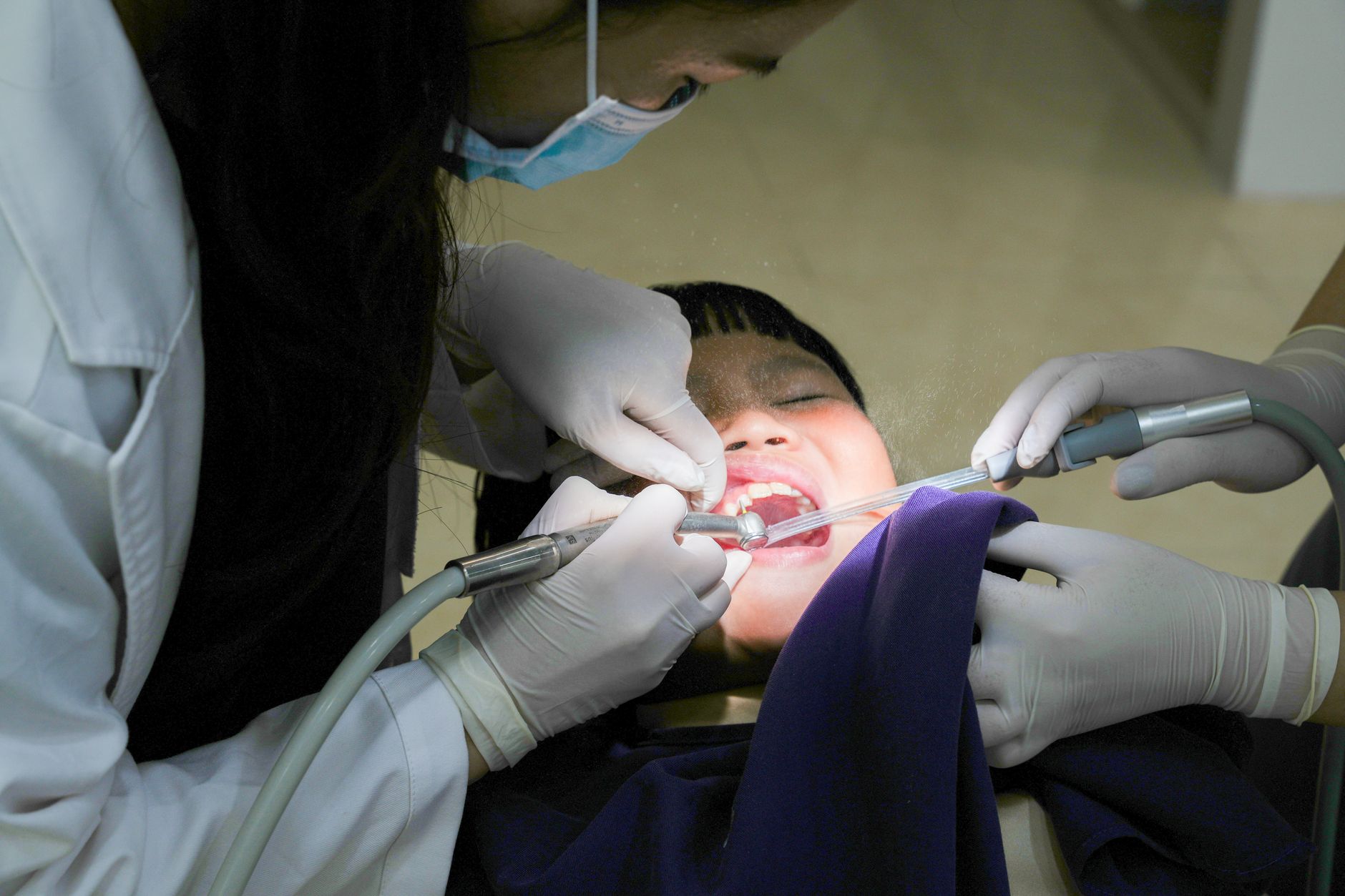
When you visit the dentist with a cavity or tooth damage, the goal is usually a permanent solution. However, sometimes a temporary dental filling is the best first step. It’s not a permanent fix, but it’s a vital part of restoring your tooth’s health and function. This guide will walk you through what temporary fillings are, why your dentist might use one, how they are placed, and how you can care for them until your next appointment.
Think of a temporary filling as a placeholder in your dental treatment plan. Its main job is to protect a damaged tooth. This protection is needed until a more permanent restoration, like a permanent filling or a crown, can be placed. These temporary solutions are not designed to last a long time. They are made from softer materials that are easier for your dentist to remove later. Some materials even harden when they come into contact with your saliva.
Several situations call for a temporary filling. Your dentist will assess your specific needs to determine the best course of action. Here are the common reasons:
Unlike permanent fillings that often match your natural tooth color, temporary fillings usually have a distinct color. This makes them easy for your dentist to spot and remove later. Common colors include bright white, grayish-white, or sometimes white with a hint of blue or pink.
The materials themselves are chosen for their temporary nature and ease of application. Some common ones include:
Your dentist will select the material best suited for your specific dental situation.
The lifespan of a temporary filling varies. They are designed to last anywhere from a few weeks to a few months. This duration depends on the material used, how well you care for it, and your chewing habits. Because they are made of softer materials, they can wear down or even break apart over time. It’s essential to follow your dentist’s instructions regarding when to return for your permanent restoration.
Scenario: Imagine you chipped a tooth, and the dentist found a small cavity underneath. They decide to place a temporary filling and schedule you for a permanent one in three weeks. You’re enjoying a crunchy apple a week later, and suddenly, a piece of the filling comes loose. What should you do?
Don’t panic! Contact your dentist’s office immediately. They will likely want to see you sooner to repair or replace the filling and ensure your tooth remains protected.
Getting a temporary filling is generally a straightforward and quick process, often completed in less than 30 minutes.
If the temporary filling is part of preparing for a crown, there will be additional steps to shape the tooth for the permanent crown and create a temporary one.
Taking care of a temporary filling is key to its success. Since it’s not as strong as a permanent filling, some precautions are necessary:
While temporary fillings are designed to hold up for a while, issues can arise. Contact your dentist right away if you experience any of the following:
These symptoms indicate that the tooth may no longer be protected, and further damage could occur.
Q1: Can I eat normally with a temporary filling?
While you can eat, it’s best to avoid chewing hard or sticky foods on the side with the temporary filling. Stick to softer foods and chew on the other side whenever possible.
Q2: Will a temporary filling fall out?
Yes, it is possible for a temporary filling to fall out, especially if not cared for properly or if it’s nearing the end of its intended lifespan. This is why it’s important to follow care instructions and return for your permanent filling appointment.
Q3: Is a temporary filling painful?
Generally, no. The area is numbed during placement. If you experience pain after the anesthetic wears off, it might indicate an underlying issue with the tooth, such as a sensitive nerve that needs further treatment. Contact your dentist if you have pain.
Q4: How is a temporary filling different from a permanent one?
Temporary fillings are made of softer, less durable materials and are meant to be removed. Permanent fillings are made of stronger materials like composite resin, amalgam, or porcelain and are designed to last for many years.
Q5: Can I get a temporary filling if I have a dental emergency?
Yes, temporary fillings are often used in emergency dental situations to provide immediate protection and pain relief while a more comprehensive treatment plan is developed.
Visit Hospital
Near You

Learn about cardiologist fee in Kolkata, consultation charges, factors affecting costs, and tips to choose the right heart specialist.
May 29, 2026

A simple guide to the best shortness of breath specialist in Kolkata, including causes, symptoms, treatment options, and expert medical advice.
May 29, 2026

Find the best chest pain doctor in Kolkata. Learn causes, symptoms, tests, and treatment options from top heart specialists in simple English.
May 29, 2026