

Emergency & Help
24/7 Emergency & General Advisory
🚨 24/7 Medical Emergency
Non-Emergency Advisory
10:00 AM – 6:00 PM, Mon–Sat
For appointments & general queries.
24/7 Emergency & General Advisory
🚨 24/7 Medical Emergency
Non-Emergency Advisory
10:00 AM – 6:00 PM, Mon–Sat
For appointments & general queries.
Explore cheek liposuction: what it is, how it's done, who's a good candidate, recovery, risks, and costs. Get clear, practical advice for informed decisions.

In the pursuit of facial aesthetics, many individuals explore various cosmetic procedures. One such procedure gaining attention is cheek liposuction. This technique aims to redefine the facial contour by removing excess fat from the cheeks, leading to a more sculpted and defined appearance. While the idea of a slimmer face is appealing, it's essential to understand the procedure, its benefits, risks, and recovery process thoroughly. This guide aims to provide a comprehensive overview of cheek liposuction, tailored for an Indian audience, offering clear, practical information to help you make informed decisions. What Exactly is Cheek Liposuction? Cheek liposuction is a specific type of liposuction that targets the fat deposits in the cheeks. Liposuction, in general, is a cosmetic surgical procedure that uses suction to remove unwanted fat from specific areas of the body. When applied to the cheeks, it's designed to slim down the lower face, enhance the jawline, and create a more V-shaped facial profile. Unlike procedures that remove a specific fat pad (like buccal fat pad removal), cheek liposuction removes general fat cells from the cheek area, allowing the skin to retract and mold to the new, slimmer contour. This procedure is typically performed as an outpatient treatment, meaning you can return home the same day. How is Cheek Liposuction Performed? The process of cheek liposuction is quite similar to liposuction performed on other body parts. It usually takes between 30 minutes to an hour. Here’s a step-by-step look at what you can expect: Consultation and Marking: Before the procedure, your surgeon will discuss your goals and assess your suitability. They will then use a special pen to mark the exact areas of your cheeks that will be treated. Anesthesia: You will be administered either local anesthesia (where you are awake but the area is numbed) or general anesthesia (where you are asleep). The choice depends on the extent of the procedure and your surgeon's recommendation. Incisions: The surgeon will make very small incisions in discreet locations, often within the mouth or near the ear, to minimize visible scarring. Fat Removal Techniques: Several techniques can be employed to make fat removal easier and more effective: Tumescent Liposuction: This is a common method where a sterile solution containing saline, a local anesthetic (like lidocaine), and epinephrine (which constricts blood vessels) is injected into the treatment area. This solution causes the area to swell and stiffen, making the fat easier to extract and reducing bleeding. Ultrasound-Assisted Liposuction (UAL): This technique uses ultrasonic energy delivered through a small metal rod. The energy helps to liquefy or break down the fat cells, making them easier to suction out. Laser-Assisted Liposuction (LAL): Here, a thin laser fiber is inserted through a small incision. The laser energy helps to liquefy the fat and can also promote skin tightening. Suction: After the fat is prepared, a thin metal tube called a cannula is inserted into the incision. This cannula is connected to a suction device, which the surgeon uses to carefully remove the targeted fat from your cheeks. Sometimes, cheek liposuction might be performed alongside other facial cosmetic procedures like a facelift, depending on your overall aesthetic goals. Who is a Good Candidate for Cheek Liposuction? Not everyone is an ideal candidate for cheek liposuction. The best candidates typically possess the following characteristics: Stable Weight: Individuals who are at or slightly above their ideal body weight and have maintained it for a reasonable period are usually good candidates. Significant weight fluctuations can affect the results. Good Overall Health: You should be in good general health, free from serious medical conditions like uncontrolled diabetes, heart disease, or bleeding disorders, which could complicate the surgery or recovery. Elastic Skin: Good skin elasticity is crucial. When fat is removed, the skin needs to retract and conform to the new facial contours. If the skin has lost its elasticity (which can happen with age or due to factors like smoking), it may appear loose or saggy after fat removal. Realistic Expectations: Understanding the potential outcomes and limitations of the procedure is vital. Cheek liposuction aims to slim the face and enhance contours, not to completely change your facial structure. It's important to note that cheek liposuction is different from a buccal fat pad removal. Buccal fat pad removal targets a specific, localized pocket of fat in the lower cheeks, while cheek liposuction addresses more general fat deposits in the mid to lower cheek area. What About Recovery? Recovery is a significant part of the process. While cheek liposuction is an outpatient procedure, you will need to dedicate time to healing. The total recovery time typically ranges from 3 to 4 weeks. During this period, you can expect: Swelling and Discomfort: Some degree of swelling, bruising, and discomfort in and around the treated areas is normal immediately after the procedure. This will gradually subside. Over-the-counter pain medications can help manage discomfort. Compression Garment: You will likely be required to wear a special compression garment that fits over your head, covering your jaw and neck. This garment helps to reduce swelling, support the tissues, and encourage skin retraction. It's essential to wear it as directed by your surgeon. Activity Restrictions: You'll need to avoid strenuous activities for the first week or two. Your surgeon will provide specific guidelines on when you can resume your normal daily activities, including exercise. Follow-up Appointments: Regular follow-up appointments with your surgeon are necessary to monitor your healing progress and address any concerns. Most people can return to work and social activities within a week to 10 days, provided the swelling has reduced sufficiently. The final results, however, may take several months to become fully apparent as the swelling completely resolves and the skin settles into its new shape. Potential Risks and Complications Like any surgical procedure, cheek liposuction carries potential risks and complications. While surgeons take great care to minimize these, it's important to be aware of them: Bleeding: Excessive bleeding during or after the procedure. Infection: Infection at the incision sites or within the treated area. Nerve Damage: Temporary or, in rare cases, permanent numbness or changes in sensation in the treated area due to nerve irritation or damage. Uneven Results: Skin that appears lumpy, bumpy, or uneven after healing. Loose Skin: If skin elasticity is poor, the skin may not retract well after fat removal, leading to a saggy appearance. Asymmetry: Differences in appearance between the two sides of the face. Scarring: While incisions are small and placed discreetly, some scarring is inevitable. The risk of complications can be higher if cheek liposuction is performed along with other extensive cosmetic surgeries. Cost of Cheek Liposuction in India The cost of cheek liposuction can vary significantly based on several factors, including the surgeon's experience and reputation, the geographic location of the clinic (major cities like Delhi, Mumbai, or Bangalore might have higher costs), the specific techniques used, and whether it's combined with other procedures. As a general estimate, the average cost in India can range from approximately ₹70,000 to ₹1,50,000 or more. It is essential to get a detailed quote from your chosen surgeon after a thorough consultation. Real-Life Scenario Consider Priya, a 35-year-old marketing professional in Pune. She felt her rounder cheeks made her face appear less defined, impacting her confidence in professional photos and meetings. After researching options and consulting with a board-certified plastic surgeon, she opted for cheek liposuction. The procedure was relatively quick, and while she experienced significant swelling for the first week, wearing the compression garment diligently helped manage it. By the third week, the swelling had reduced considerably, revealing a more contoured jawline and a slimmer facial appearance that boosted her self-esteem. When Should You Consult a Doctor? If you are unhappy with the fullness of your cheeks and are considering ways to achieve a more defined facial profile, it's time to consult a qualified plastic surgeon. They can assess your facial structure, skin quality, and overall health to determine if cheek liposuction is the right option for you. It's also advisable to discuss alternative treatments, such as buccal fat pad removal or non-surgical options, if they might be more suitable for your specific needs. Frequently Asked Questions (FAQs) Is cheek liposuction permanent? Yes, the fat cells removed during liposuction are permanently gone. However, it's important to maintain a stable weight, as remaining fat cells in the area can still enlarge if you gain weight. Can cheek liposuction make my face look unnatural? When performed by an experienced and skilled surgeon, the goal is to create natural-looking results that enhance your existing features. Over-correction or poor technique can lead to unnatural results, which is why choosing the right surgeon is paramount. How long does it take to see the final results? While you'll notice some difference once the initial swelling subsides (usually after a few weeks), the final, refined results typically take 3 to 6 months to appear as all residual swelling disappears and the skin fully settles. Are there non-surgical alternatives for cheek contouring? Yes, depending on
In summary, timely diagnosis, evidence-based treatment, and prevention-focused care improve long-term health outcomes.
Visit Hospital
Near You
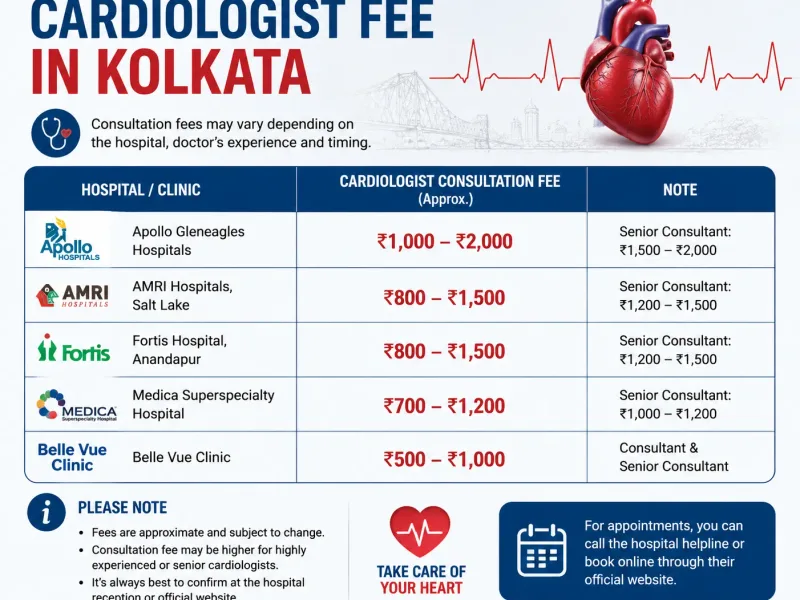
Learn about cardiologist fee in Kolkata, consultation charges, factors affecting costs, and tips to choose the right heart specialist.
May 29, 2026
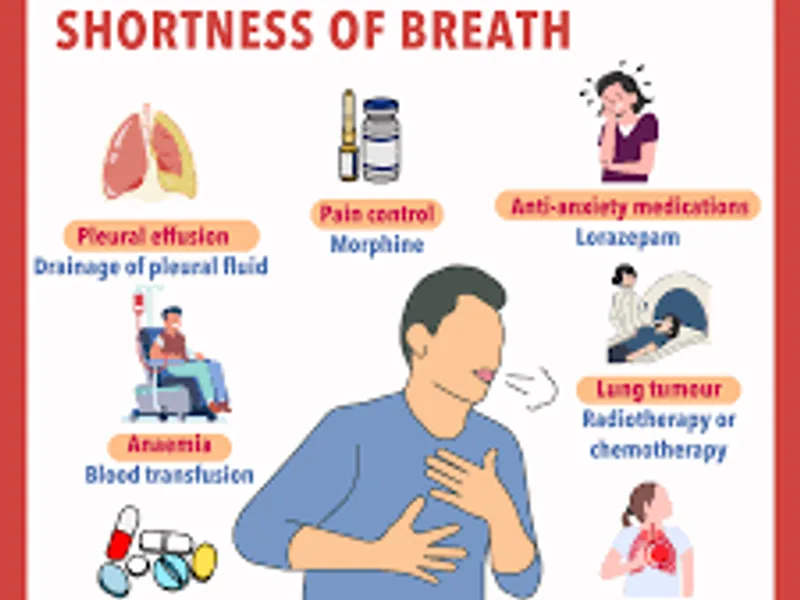
A simple guide to the best shortness of breath specialist in Kolkata, including causes, symptoms, treatment options, and expert medical advice.
May 29, 2026

Find the best chest pain doctor in Kolkata. Learn causes, symptoms, tests, and treatment options from top heart specialists in simple English.
May 29, 2026