

Emergency & Help
24/7 Emergency & General Advisory
🚨 24/7 Medical Emergency
Non-Emergency Advisory
10:00 AM – 6:00 PM, Mon–Sat
For appointments & general queries.
24/7 Emergency & General Advisory
🚨 24/7 Medical Emergency
Non-Emergency Advisory
10:00 AM – 6:00 PM, Mon–Sat
For appointments & general queries.
Understand dual eligibility for Medicare and Medicaid, how it works, who qualifies, and the benefits it offers to enhance your healthcare coverage and reduce costs.

Navigating India's healthcare system can sometimes feel complex, especially when dealing with government-backed insurance programs. Many individuals, particularly our senior citizens or those with specific health conditions, might be eligible for more than one form of coverage. This is where the concept of 'dual eligibility' comes into play, primarily concerning Medicare and Medicaid, though similar principles can apply to understanding combined benefits under different government schemes in India. In the context of the US system, being dually eligible means you qualify for both Medicare and Medicaid. This can significantly enhance your healthcare coverage, ensuring more services are accessible and affordable. Let's break down what this means and how it can benefit you.
What are Medicare and Medicaid?
Before diving into dual eligibility, it's essential to understand the two programs:
Who is a Dual Eligible Beneficiary?
If you meet the criteria for both Medicare and Medicaid, you are considered a dual eligible beneficiary. This dual status is typically determined by your age, any existing disabilities, and your income and financial resources. The primary goal of this combined coverage is to provide a more comprehensive safety net, ensuring that essential healthcare needs are met without undue financial burden.
Why Would Someone Need Both?
Many people find themselves eligible for both programs because their circumstances align with the criteria for each. For instance, an individual aged 65 or older might have a limited income that also qualifies them for Medicaid. In such cases, having both programs ensures that they can access a wider range of medical services and prescriptions. Medicare usually acts as the primary payer, covering hospital stays and doctor visits, while Medicaid steps in to cover costs that Medicare doesn't fully reimburse, like certain prescription drugs, dental care, vision care, or long-term nursing home support.
Eligibility Pathways for Dual Coverage
You might become dually eligible in several ways:
Understanding Medicare Savings Programs (MSPs)
MSPs are vital for many dual-eligible individuals. These programs help people with limited income and resources pay for their Medicare premiums, deductibles, and copayments. There are several types of MSPs, and qualifying for one often means you're on the path to dual eligibility or already are. For example, the Qualified Medicare Beneficiary (QMB) program helps pay for Medicare Part A and Part B premiums, deductibles, and coinsurance. If you meet the income and resource limits, you might qualify for 'full-benefit' QMB, which grants you all the benefits of both Medicare and Medicaid.
Key Benefits of Dual Eligibility
Being dually eligible unlocks a host of advantages:
Can You Keep Medicaid When You Get Medicare?
Absolutely. Enrolling in Medicare does not automatically mean you lose your Medicaid coverage. As long as you continue to meet your state's Medicaid eligibility requirements (which often relate to income and assets), you can maintain both forms of coverage simultaneously. This is a critical point for individuals transitioning to Medicare, ensuring continuity of care.
How to Apply for Dual Eligibility
The process involves meeting the criteria for both programs. Here’s a general approach:
A Real-Life Scenario
Consider Mrs. Sharma, a 70-year-old widow living on a fixed pension. She has Medicare Part A and B for her doctor visits and hospital stays. However, her monthly medication costs were becoming a significant strain. After speaking with a local health advisor, she learned she might qualify for Medicaid due to her low income. By applying for Medicaid and the Extra Help program, she not only got assistance with her Medicare costs but also significantly reduced her prescription expenses, allowing her to manage her chronic condition more affordably.
What are the Income Limits for Medicaid?
This is a common question, and the answer is: it varies significantly by state. Each state sets its own income and resource limits for Medicaid eligibility. While federal guidelines exist, states can implement higher limits. It's crucial to check your specific state's Department of Health or Human Services website for the most up-to-date figures for the current year. For example, a limit that allows eligibility in one state might be too high in another.
When to Consult a Doctor or Specialist
While understanding insurance is vital, your health is paramount. If you are experiencing new symptoms, a worsening of a chronic condition, or need clarification on treatments, always consult your healthcare provider. They can offer medical advice and, if necessary, refer you to specialists. For guidance on insurance and benefits, look for resources like:
Frequently Asked Questions (FAQs)
A1: No. While dual eligibility significantly reduces your out-of-pocket costs, you may still have some responsibilities, such as copayments for certain services or specific premiums, depending on the exact benefits you receive and your state's rules.
A2: Yes. You generally need to apply for Medicare and Medicaid separately through their respective state and federal agencies, although sometimes there are coordinated application processes or referrals.
A3: No. Receiving Social Security benefits does not automatically disqualify you from Medicaid. Eligibility for Medicaid is primarily based on your income and assets, not on receiving Social Security.
Visit Hospital
Near You
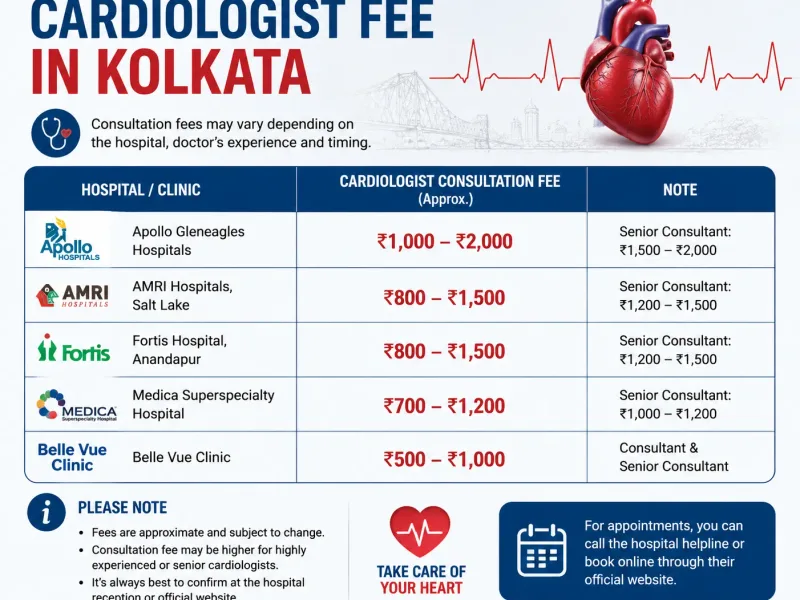
Learn about cardiologist fee in Kolkata, consultation charges, factors affecting costs, and tips to choose the right heart specialist.
May 29, 2026
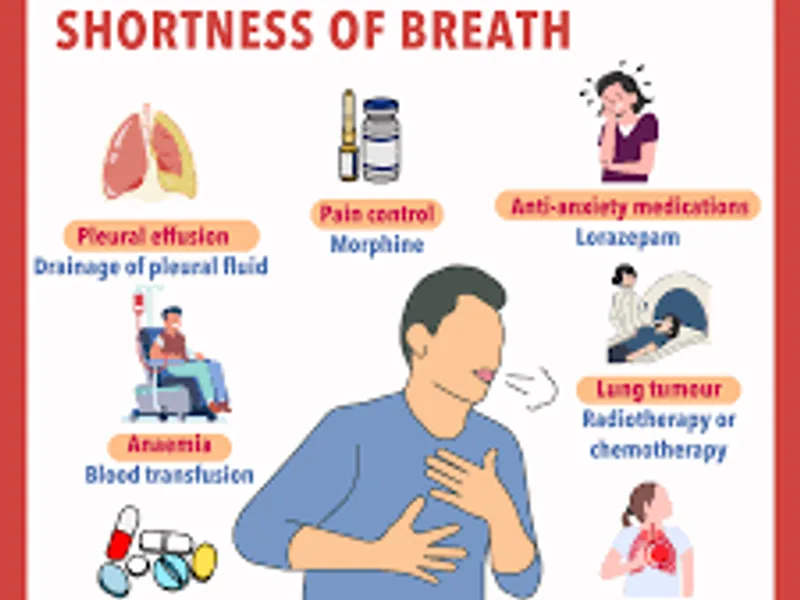
A simple guide to the best shortness of breath specialist in Kolkata, including causes, symptoms, treatment options, and expert medical advice.
May 29, 2026

Find the best chest pain doctor in Kolkata. Learn causes, symptoms, tests, and treatment options from top heart specialists in simple English.
May 29, 2026