

Emergency & Help
24/7 Emergency & General Advisory
🚨 24/7 Medical Emergency
Non-Emergency Advisory
10:00 AM – 6:00 PM, Mon–Sat
For appointments & general queries.
24/7 Emergency & General Advisory
🚨 24/7 Medical Emergency
Non-Emergency Advisory
10:00 AM – 6:00 PM, Mon–Sat
For appointments & general queries.
Explore the personal journey of an egg donor, understanding the motivations, medical process, and emotional aspects of giving the gift of parenthood. Learn about the screening, retrieval, and the profound impact of this selfless act.

The journey to parenthood can be filled with many paths, and for some, it involves the incredible generosity of egg donation. As a society, we often focus on the recipients, the intended parents who dream of holding their child. But what about the person who makes that dream possible? What is it like to be an egg donor? This blog post delves into the personal experience of a repeat egg donor, offering insights into her motivations, the process, and the profound impact of this selfless act.
At the young age of 21, the motivation was clear and simple: a desire to help a couple achieve their lifelong dream of becoming parents. It wasn't about personal need or immediate family planning, but a powerful urge to give a gift that truly matters. Now, at 30, this individual has been selected to donate three times, a testament to her commitment and the success of the process.
It all began in 2011 with a Facebook ad from an egg donor agency. The ad proclaimed that the donor carried within her “the ultimate gift.” At that time, infertility wasn't a concept she'd deeply considered, and the idea of starting her own family was far from her mind. However, as she researched egg donation, she gained a new appreciation for the remarkable capabilities of the human body. She learned that women are born with a vast number of eggs, likely around 1 million, with approximately 300,000 remaining by puberty. Throughout her fertile years, she'd naturally release about 400 eggs through ovulation, with perhaps one or two destined for her own potential family. This realization revealed a surplus – plenty of eggs to spare and potentially offer to others.
The journey from deciding to donate to the actual egg retrieval is a carefully managed medical process. It begins with a thorough screening to ensure the donor meets specific health and genetic criteria. This screening is vital for the well-being of both the donor and the potential child.
Once accepted, the donor undergoes a period of close medical monitoring. This involves frequent check-ups and ultrasounds, often at least four over a couple of weeks. These appointments help the fertility team assess the donor's response to fertility medications and ensure that multiple healthy eggs are developing for retrieval.
The donor is typically given injections to stimulate her ovaries, encouraging the development of multiple mature eggs. This phase requires dedication and adherence to the medical team's instructions. A crucial part of this process is the final injection, which triggers ovulation, timed precisely for the egg retrieval procedure.
Around the 12th day after starting the injections, a retrieval date is scheduled. The procedure itself is relatively quick, usually taking about 30 minutes. The donor is placed under sedation, ensuring comfort and minimal awareness during the retrieval. The fertility team carefully collects the mature eggs from the ovaries.
Following the retrieval, the donor typically rests for a couple of hours before heading home. Common side effects include bloating and cramping, but these are generally temporary. Within a few days, most donors feel back to their normal selves, with the spotting and discomfort subsiding. The actual retrieval is a short event, but the entire cycle, from selection to retrieval, can take anywhere from 3 to 6 months.
To help friends and family understand her decision, the donor explored different analogies. Initially, she was presented with the idea of fruit collection: just as apples fall from a tree each month, so do eggs. Why not collect them instead of letting them go to waste? While this resonated initially, she found herself needing a more nuanced explanation when faced with questions about how she would feel knowing that her eggs were contributing to another family's life.
A more fitting analogy emerged: baking bread. To bake bread, you need essential ingredients like flour, water, yeast, and milk – and, importantly, eggs. Some individuals may have all the other ingredients but lack the eggs, or perhaps their “oven” (their reproductive system) doesn't function optimally for conception. In this scenario, the egg donor provides the missing ingredient – her eggs – enabling the recipients to bake their “bun in the oven,” a common phrase for pregnancy.
This analogy emphasizes that the donor is providing a component, an essential ingredient, rather than giving away a fully formed child. She is contributing to the possibility of life, not the entire process of raising a child. This perspective helped her articulate the selfless nature of her contribution and address potential emotional complexities.
Deciding to become an egg donor is a significant choice, often accompanied by a range of emotions and ethical considerations. For the donor in this account, the primary driver was the desire to help others fulfill their dream of parenthood. She met the donation criteria and knew she wasn't planning on using her own eggs in the near future, making the decision feel like a responsible and compassionate use of her reproductive capacity.
Sharing this decision with others often leads to probing questions. People might ask how she copes with the idea of biological children she may never know, or how she differentiates her role from that of a biological mother. By using the baking analogy, she frames her role as providing a vital component, enabling another family's journey. This helps to separate the act of donation from the act of parenting, clarifying that her contribution is about facilitating conception, not raising a child.
It's a profound act of generosity that requires careful thought, emotional readiness, and a clear understanding of the process and its implications. The donor's willingness to share her experience highlights the importance of open communication and empathy when discussing assisted reproductive technologies.
Imagine Priya and Rohan, a couple who have been trying to conceive for years without success. They've explored various treatments, but due to medical reasons, natural conception or using Rohan's sperm isn't possible. They dream of a family but feel heartbroken by the recurring disappointments. Learning about egg donation offers them a glimmer of hope. They connect with an agency, undergo consultations, and are eventually matched with a donor whose profile aligns with their preferences. The donor's willingness to help allows Priya and Rohan to embark on the next stage of their journey, filled with anticipation and gratitude for the gift they are about to receive.
If you are considering egg donation, here are some factors to reflect on:
Egg donation is more than just a medical procedure; it's an act of profound kindness that can change lives. For the intended parents, it represents the realization of a lifelong dream. For the donor, it's an opportunity to make a significant difference, offering a unique and invaluable gift. The experience, while demanding, can be incredibly rewarding, knowing that you've played a part in bringing a new life into the world and building a family.
The journey of egg donation is a deeply personal one, filled with hope, generosity, and the potential for immense joy. By sharing her story, this donor offers a valuable perspective, demystifying the process and celebrating the profound gift of giving life.
Visit Hospital
Near You
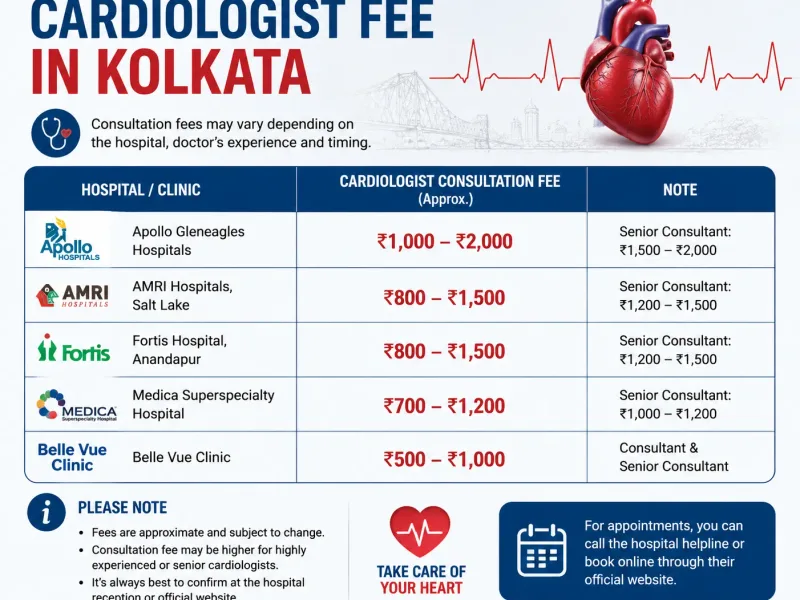
Learn about cardiologist fee in Kolkata, consultation charges, factors affecting costs, and tips to choose the right heart specialist.
May 29, 2026
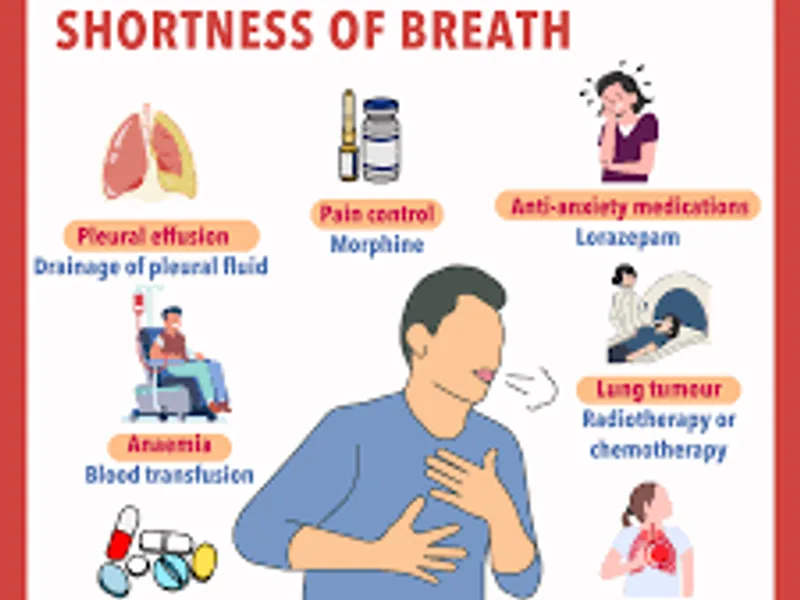
A simple guide to the best shortness of breath specialist in Kolkata, including causes, symptoms, treatment options, and expert medical advice.
May 29, 2026
Find the best chest pain doctor in Kolkata. Learn causes, symptoms, tests, and treatment options from top heart specialists in simple English.
May 29, 2026