

Emergency & Help
24/7 Emergency & General Advisory
🚨 24/7 Medical Emergency
Non-Emergency Advisory
10:00 AM – 6:00 PM, Mon–Sat
For appointments & general queries.
24/7 Emergency & General Advisory
🚨 24/7 Medical Emergency
Non-Emergency Advisory
10:00 AM – 6:00 PM, Mon–Sat
For appointments & general queries.
A comprehensive guide to the four parts of Medicare (A, B, C, and D) in the US, explaining what each part covers, associated costs, and how they work together to provide healthcare and prescription drug benefits. While specific to the US, the concepts of understanding health insurance coverage are universally applicable.

Navigating healthcare insurance can feel like a maze, especially when you're approaching or have reached the age of 65. In India, while we don't have a direct equivalent to the US Medicare system, understanding the principles of comprehensive health coverage is vital for everyone. This guide breaks down the core concepts of Medicare, a prominent health insurance program in the United States, to help you grasp how different aspects of healthcare are covered. Think of it as learning from an established system to better appreciate the importance of robust health plans, no matter where you are.
Medicare is primarily a federal health insurance program in the United States. It's designed for individuals aged 65 and older, younger people with certain disabilities, and people with End-Stage Renal Disease (ESRD). The program is divided into four distinct parts, each addressing different healthcare needs and services. Understanding these parts is key to maximizing your healthcare benefits and managing costs effectively.
Let's break down each part:
Think of Part A as your hospital coverage. It helps pay for care you receive when you're admitted to a hospital for an inpatient stay. This includes:
Cost Consideration for Part A: Many people qualify for premium-free Part A because they or their spouse paid Medicare taxes while working. If you don't qualify for premium-free Part A, you might have to pay a monthly premium. There's also a deductible you'll pay for each 'benefit period' when you're admitted to the hospital. For example, in 2025, this deductible is $1,676. After you meet the deductible, Medicare covers the full cost for the first 60 days of your hospital stay. Beyond that, coinsurance charges apply for longer stays.
Scenario: Imagine your elderly father, Mr. Sharma, is recovering from surgery and needs a few weeks of physical therapy in a facility. Part A coverage would be essential here to help manage the costs associated with his skilled nursing facility stay following his hospital admission.
Part B complements Part A by covering the medical services you receive when you're not admitted to the hospital (outpatient care). This is essential for everyday healthcare needs:
Cost Consideration for Part B: Most people pay a monthly premium for Part B. This premium can vary based on your income. There's also an annual deductible that you must meet before Medicare starts paying its share. After you meet the deductible, you typically pay 20% of the cost for most covered services, and Medicare pays the remaining 80%. This 20% is your coinsurance.
Scenario: Mrs. Gupta needs regular blood tests to monitor her thyroid condition and sees her endocrinologist every three months. Part B would cover these doctor visits and the laboratory tests ordered by her physician.
Part C, also known as Medicare Advantage, is an alternative way to get your Medicare coverage. These plans are offered by private insurance companies approved by Medicare. They must provide all the benefits of Original Medicare (Parts A and B), except for certain specific services like clinical research studies. However, they often bundle additional benefits:
Cost and Network Considerations for Part C: Costs can vary significantly between plans. You'll still pay your Part B premium, and potentially an additional premium for the Part C plan itself. These plans often have networks of doctors and hospitals. You might need to use providers within the network to get the lowest costs, and referrals might be needed for specialist visits.
Part D helps cover the costs of prescription drugs. This coverage is also offered by private insurance companies as standalone plans or included in Medicare Advantage (Part C) plans.
Understanding Costs: It's important to compare Part D plans to find one that covers your specific medications at a reasonable cost. Many plans have different tiers for drugs, with lower-cost generics usually in the lowest tier.
Parts A and B together are often referred to as 'Original Medicare'. When you choose Original Medicare, you can generally visit any doctor or hospital that accepts Medicare. Part C (Medicare Advantage) is an alternative. If you join a Medicare Advantage plan, you'll typically use doctors and hospitals in that plan's network.
Understanding these terms will help you manage your healthcare costs:
Regardless of your insurance, knowing when to seek medical advice is paramount. Consult a doctor if you experience:
Regular check-ups, as covered by Part B or included in Part C plans, are also essential for preventive care and early detection of potential health issues.
A1: If you're receiving Social Security benefits or Railroad Retirement Board benefits when you turn 65, you'll likely be automatically enrolled in Part A and Part B. If not, you'll need to actively enroll during specific enrollment periods to avoid potential penalties.
A2: No, you can't have both Original Medicare (Parts A and B) and a Medicare Advantage plan (Part C) at the same time. You must choose one or the other.
A3: You'll need to check if your medication is covered by your Part D plan or your Part C plan (if it includes drug coverage). You can usually find this information on the plan's website or by calling the insurance provider. If a drug isn't covered, discuss alternatives with your doctor.
A4: Consider your health needs, budget, and preferred doctors. Review the coverage details, costs (premiums, deductibles, copays, coinsurance), and provider networks for each plan. Comparing plans during the Open Enrollment period is recommended.
While Medicare is specific to the US, the principles of understanding health insurance, managing costs, and seeking timely care are universal. Whether you are in India or elsewhere, staying informed about your health coverage options and understanding the services available is a powerful step towards maintaining your well-being.
Visit Hospital
Near You

Learn about cardiologist fee in Kolkata, consultation charges, factors affecting costs, and tips to choose the right heart specialist.
May 29, 2026
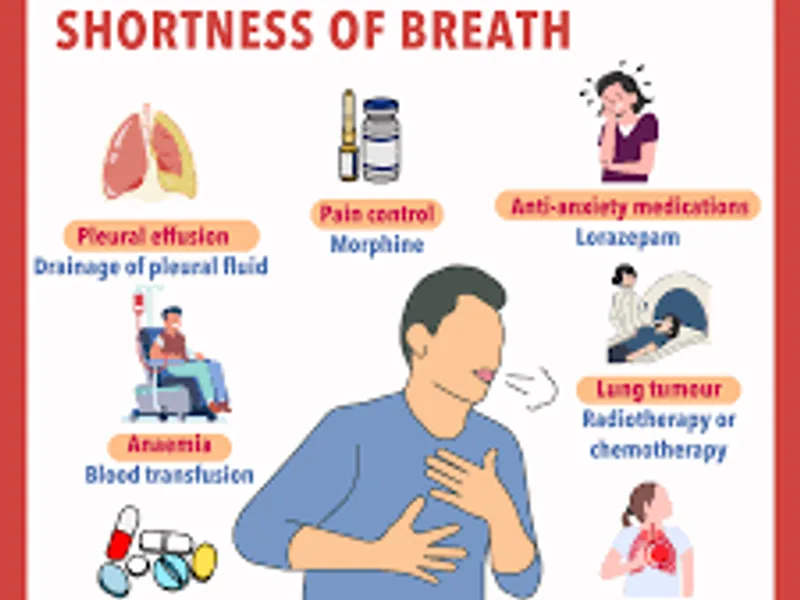
A simple guide to the best shortness of breath specialist in Kolkata, including causes, symptoms, treatment options, and expert medical advice.
May 29, 2026

Find the best chest pain doctor in Kolkata. Learn causes, symptoms, tests, and treatment options from top heart specialists in simple English.
May 29, 2026