

Emergency & Help
24/7 Emergency & General Advisory
🚨 24/7 Medical Emergency
Non-Emergency Advisory
10:00 AM – 6:00 PM, Mon–Sat
For appointments & general queries.
24/7 Emergency & General Advisory
🚨 24/7 Medical Emergency
Non-Emergency Advisory
10:00 AM – 6:00 PM, Mon–Sat
For appointments & general queries.
Learn about Medicare Institutional Special Needs Plans (I-SNPs), designed for individuals needing extended stays in medical facilities. Understand eligibility, coverage, and how they compare to other Medicare plans.

Navigating the complexities of healthcare coverage, especially for individuals requiring extended medical care, can be a significant challenge. Medicare, the federal health insurance program for Americans aged 65 and older, as well as younger individuals with certain disabilities or End-Stage Renal Disease, offers various plans to meet diverse needs. Among these are Special Needs Plans (SNPs), a category within Medicare Advantage (Part C). This article will delve into a specific type of SNP: the Institutional Special Needs Plan (I-SNP), explaining what it is, who it's for, what it covers, and how it differs from other SNP types. What is an Institutional Special Needs Plan (I-SNP)? An Institutional Special Needs Plan (I-SNP) is a specialized Medicare Advantage plan designed exclusively for individuals who require an extended stay in a medical institution. To qualify for an I-SNP, a person must have a confirmed diagnosis that necessitates a residential stay in an approved facility for at least 90 consecutive days. These plans are part of the broader Medicare Advantage program, which offers an alternative to Original Medicare (Parts A and B) by bundling coverage into a single plan, often provided by private insurance companies. The primary goal of an I-SNP is to provide comprehensive care coordination and tailored benefits for beneficiaries with specific, long-term healthcare needs that are best met within an institutional setting. This ensures that individuals receive consistent, high-quality care that addresses their unique medical conditions and living situation. Who is Eligible for an I-SNP? Eligibility for an I-SNP is quite specific and hinges on two main criteria: Medicare Eligibility: Applicants must be enrolled in Original Medicare (Part A and Part B). Generally, individuals aged 65 or older are eligible for Medicare. Younger adults with qualifying disabilities or End-Stage Renal Disease (ESRD) can also be eligible. Institutional Stay Requirement: The most crucial requirement is the need for a residential stay in an approved medical facility for a minimum of 90 days. This need must be based on a confirmed diagnosis. The types of approved facilities for an I-SNP typically include: Skilled nursing facilities (SNFs) Intermediate care facilities for individuals with intellectual disabilities (ICF/IID) Residential mental health facilities It's important to note that beneficiaries must also reside within the designated service area of the I-SNP they wish to join. The specific list of approved facilities can be found on the official Medicare website (Medicare.gov). What Does an I-SNP Cover? I-SNPs, like all Medicare Advantage plans, must offer at least the same benefits as Original Medicare (Part A and Part B). This includes coverage for hospital stays, doctor's visits, preventive services, and medically necessary treatments. However, I-SNPs go a step further by providing additional, specialized benefits tailored to the needs of individuals in long-term care settings. Key coverage aspects often include: Prescription Drug Coverage (Part D): Unlike some standard Medicare Advantage plans, all Special Needs Plans, including I-SNPs, are required to include prescription drug coverage. This is a significant benefit for individuals managing chronic conditions that require ongoing medication. Long-Term Care Services: I-SNPs are designed to cover the costs associated with extended stays in approved institutional settings. This can encompass skilled nursing care, therapies, and other services provided within these facilities. Care Coordination: A major advantage of I-SNPs is enhanced care coordination. Plans often assign care managers or coordinators to help beneficiaries navigate their healthcare, schedule appointments, and ensure seamless transitions between different levels of care. Additional Benefits: Depending on the specific plan offered by the private insurer, I-SNPs may offer extra benefits such as transportation assistance to medical appointments, meal delivery services, and virtual doctor visits. These services aim to improve the overall quality of life and access to care for beneficiaries residing in institutions. It is essential for beneficiaries to review the specific benefits offered by an I-SNP, as coverage details can vary between different insurance providers and plans. I-SNP vs. D-SNP vs. C-SNP Medicare Advantage offers three types of Special Needs Plans, each catering to a distinct group of beneficiaries: Institutional Special Needs Plans (I-SNPs): As discussed, these are for individuals requiring an extended stay (90+ days) in a medical institution. Dual Special Needs Plans (D-SNPs): These plans are designed for individuals who qualify for both Medicare and Medicaid. D-SNPs help coordinate benefits from both programs, making it easier for low-income individuals with Medicare to access necessary healthcare services. Chronic Condition Special Needs Plans (C-SNPs): These plans are for beneficiaries with specific severe or disabling chronic conditions, such as diabetes, heart failure, or cardiovascular disorders. C-SNPs provide specialized care and support focused on managing these particular conditions. While all SNPs bundle Parts A, B, and D coverage, the defining factor is the specific eligibility criteria related to institutionalization, dual eligibility, or chronic conditions. I-SNP vs. IE-SNP It's also worth noting the existence of Institutional Equivalent Special Needs Plans (IE-SNPs). These are a subtype of I-SNPs intended for individuals who, while not residing in a long-term care institution, have complex medical needs that require a similar level of care coordination and support. IE-SNPs allow beneficiaries to receive this specialized care while remaining at home, provided their condition necessitates it. Various medical conditions can create such complex needs, making individuals eligible for an IE-SNP. These can include severe chronic illnesses, significant functional limitations, or conditions requiring intensive home-based medical management. Cost of I-SNPs I-SNPs are part of the Medicare Advantage program, meaning they are offered by private insurance companies. Consequently, the costs
In summary, timely diagnosis, evidence-based treatment, and prevention-focused care improve long-term health outcomes.
Visit Hospital
Near You
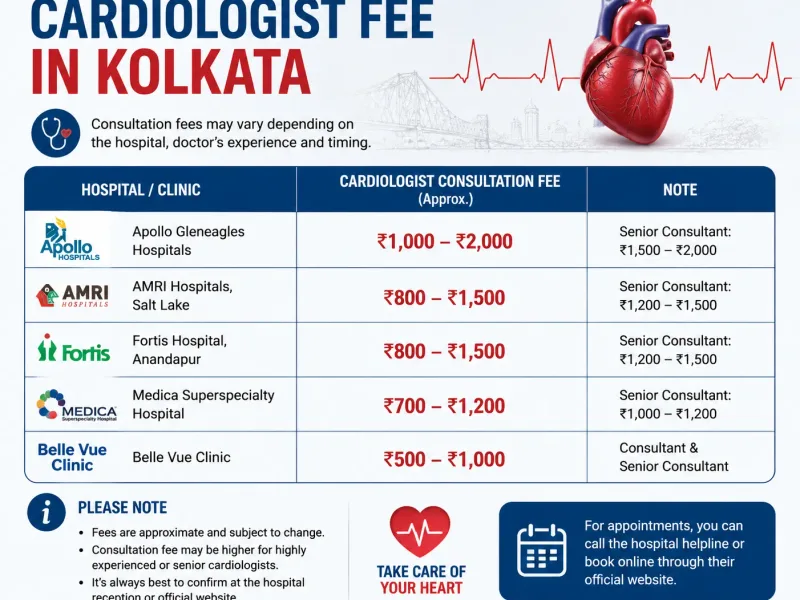
Learn about cardiologist fee in Kolkata, consultation charges, factors affecting costs, and tips to choose the right heart specialist.
May 29, 2026
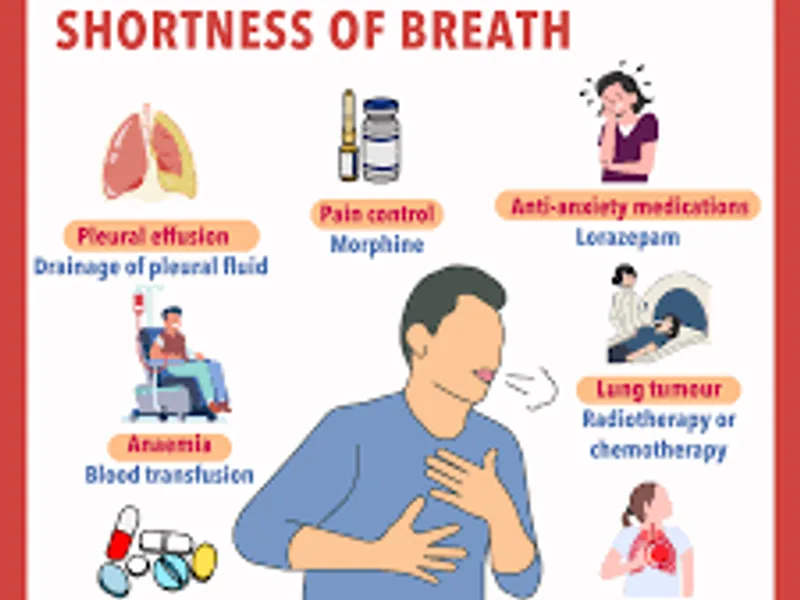
A simple guide to the best shortness of breath specialist in Kolkata, including causes, symptoms, treatment options, and expert medical advice.
May 29, 2026

Find the best chest pain doctor in Kolkata. Learn causes, symptoms, tests, and treatment options from top heart specialists in simple English.
May 29, 2026