

Emergency & Help
24/7 Emergency & General Advisory
🚨 24/7 Medical Emergency
Non-Emergency Advisory
10:00 AM – 6:00 PM, Mon–Sat
For appointments & general queries.
24/7 Emergency & General Advisory
🚨 24/7 Medical Emergency
Non-Emergency Advisory
10:00 AM – 6:00 PM, Mon–Sat
For appointments & general queries.
Understand the key differences between Medicare Part A and Part B, including what each covers, eligibility, and costs. Essential information for navigating US health insurance.

Navigating the world of health insurance can feel like deciphering a secret code, especially when it comes to government programs like Medicare. For many Indian readers who may be considering or helping family members with healthcare options, understanding Medicare, particularly its two main components – Part A and Part B – is a vital step. While Medicare is a US federal health insurance program, understanding its structure can offer insights into how different coverage types work, which might be useful for comparative purposes or for those with family abroad. Medicare provides essential health coverage for millions, and its two foundational parts, A and B, work hand-in-hand to cover a wide spectrum of medical needs. Think of them as a team, each with its own strengths and specialties. Part A is primarily focused on inpatient care – what happens when you're admitted to the hospital. Part B, on the other hand, is your go-to for outpatient services, like doctor's visits and medical equipment. Let's break down what each part covers, who is eligible, and what you can expect in terms of costs. What Does Medicare Part A Cover? Often referred to as 'hospital insurance,' Medicare Part A is designed to help with the costs associated with inpatient stays. This means it kicks in when a doctor officially admits you to a hospital for treatment. Inpatient Hospital Care This is the core of Part A coverage. It helps pay for: Semi-private rooms Meals Nursing services (except for private duty nurses) Hospital services and supplies needed during your inpatient stay A key concept here is the 'benefit period.' This period begins the day you're admitted as an inpatient and ends when you haven't received any inpatient hospital or skilled nursing facility care for 60 consecutive days. Your coinsurance costs reset at the start of each new benefit period. Skilled Nursing Facility (SNF) Care Part A can also cover short-term care in a skilled nursing facility, but only under specific conditions. This is not for long-term custodial care. It's for when you need skilled nursing or rehabilitation services after a qualifying hospital stay. Examples include physical therapy, occupational therapy, or speech-language pathology services provided by a skilled nursing facility. Hospice Care For individuals with a terminal illness and a prognosis of six months or less to live, Medicare Part A offers hospice care. This care focuses on comfort and pain relief rather than curative treatment. It can be provided in your home, a hospice facility, or a hospital. Home Health Care If you're homebound and need skilled nursing care, physical therapy, or other specific therapies, Part A may cover certain home health services. This often follows a hospital stay and is intended to help you recover at home. What Does Medicare Part B Cover? Medicare Part B is often called 'medical insurance' and is essential for managing your health on an ongoing basis. It covers services you receive when you're not admitted to the hospital as an inpatient. Doctor Visits and Outpatient Care This is where Part B truly shines. It covers: Visits to your doctor's office Preventive services, like flu shots and screenings Outpatient surgery Emergency room visits (if you're not admitted) Diagnostic tests and X-rays Imagine you feel unwell and need to see your family doctor. That visit, the tests they order, and any prescriptions they write are typically covered under Part B. Medical Equipment and Supplies Part B also helps pay for durable medical equipment (DME) that you need for use in your home. This includes items like walkers, wheelchairs, crutches, and oxygen equipment. It also covers other medical supplies prescribed by your doctor. Mental Health Services Both inpatient and outpatient mental health services can be covered by Medicare. Part B covers outpatient therapy, counseling, and psychiatric care. Ambulance Services If you require an ambulance to transport you to a hospital or other healthcare facility for a condition that's diagnosed as a medical emergency, Part B generally covers this service. Eligibility for Medicare Part A and Part B Eligibility for Medicare is primarily based on age and work history, or specific health conditions. Medicare Part A Eligibility Most people receive Part A without a monthly premium if they or their spouse worked for at least 10 years (40 quarters) in the U.S. and paid Medicare taxes. You generally qualify if you are: Age 65 or older and eligible for Social Security or Railroad Retirement benefits. Under age 65 but have received Social Security disability benefits for 24 months. Any age with End-Stage Renal Disease (ESRD) or Amyotrophic Lateral Sclerosis (ALS, also known as Lou Gehrig's disease). If you don't meet the work history requirement, you can still enroll in Part A by paying a monthly premium. Medicare Part B Eligibility To be eligible for Part B, you generally must: Be age 65 or older and a U.S. citizen or have been a legal resident for at least 5 years. Be under age 65 and have a disability, and have received Social Security disability benefits for 24 months. Any age with ESRD or ALS. Unlike Part A, most people pay a monthly premium for Part B. This premium can be higher if your income is above a certain level. Understanding the Costs: Premiums, Deductibles, and Coinsurance Navigating the financial aspects of Medicare is crucial. Here’s a breakdown of the common costs associated with Part A and Part B. Medicare Part A Costs For many, Part A has a $0 premium. However, if you need to pay for it, the premium is based on your or your spouse’s work history. Beyond the premium, Part A involves: Deductible: This is the amount you pay out-of-pocket before Medicare starts to pay. For 2025, the Part A deductible is $1,632 per benefit period. Coinsurance: After you meet the deductible, you'll still pay coinsurance for longer hospital stays. For example, for days 1-60 of a hospital stay within a benefit period, you pay $0 in coinsurance. However, for days 61-90, you pay $408 per day. For days 91 and beyond, you use lifetime reserve days (60 days total) and pay $816 per day. After those are used, you are responsible for all costs. Medicare Part B Costs Part B typically has a monthly premium. For 2025, the standard monthly premium is $174.70, but this can increase based on your income. In addition to the premium, Part B involves: Deductible: For 2025, the annual Part B deductible is $240. You pay this amount before Medicare starts paying its share. Coinsurance: After you meet the deductible, you typically pay 20% of the Medicare-approved amount for most services, and Medicare pays the other 80%. Real-Life Scenario: Mrs. Sharma, a 70-year-old retired teacher, recently had a planned surgery. She was admitted to the hospital for three days. Her Part A covered the hospital stay after her deductible was met, and her doctor’s follow-up visit the following week was covered by Part B after her annual deductible was satisfied. What's Not Covered by Medicare Parts A and B? It's important to know that neither Part A nor Part B covers everything. Some common exclusions include: Long-term care (custodial care) in a nursing home Most dental care, eye exams, and hearing aids Cosmetic surgery (unless medically necessary) Routine foot care Vaccinations not deemed medically necessary Many people choose to supplement their Medicare coverage with a Medicare Supplement Insurance (Medigap) policy or a Medicare Advantage Plan (Part C) to help cover these gaps. When to Consult a Doctor or Healthcare Provider It's always wise to consult your doctor if you experience new or worsening symptoms, have concerns about your health, or need to discuss treatment options. For specific questions about Medicare coverage, it's best to contact Medicare directly or a certified SHIP (State Health Insurance Assistance Program) counselor. They can provide personalized guidance based on your situation. Frequently Asked Questions (FAQ) Q1: Do I need both Part A and Part B? Most people benefit from having both Part A and Part B. Part A covers inpatient hospital stays, while Part B covers doctor visits and outpatient care. Together, they provide comprehensive coverage for a wide range of medical needs. Q2: Can I be considered an inpatient if I'm just in the hospital for observation? No. Medicare Part A only covers services when a doctor officially admits you as an inpatient. If you are in the hospital for observation, the services you receive may be covered under Medicare Part B instead. Q3: What happens if I miss the enrollment period for Part B? If you don't sign up for Part B when you're first eligible and don't have other credible health coverage, you may have to pay a late enrollment penalty for as long as you have Part B. This penalty is added to your monthly premium. Q4: Does Medicare cover prescriptions? Medicare Part A can cover prescription drugs you receive as a hospital inpatient. Medicare Part B covers outpatient prescription drugs that a doctor administers to you, such as through an injection. For most
In summary, timely diagnosis, evidence-based treatment, and prevention-focused care improve long-term health outcomes.
Visit Hospital
Near You
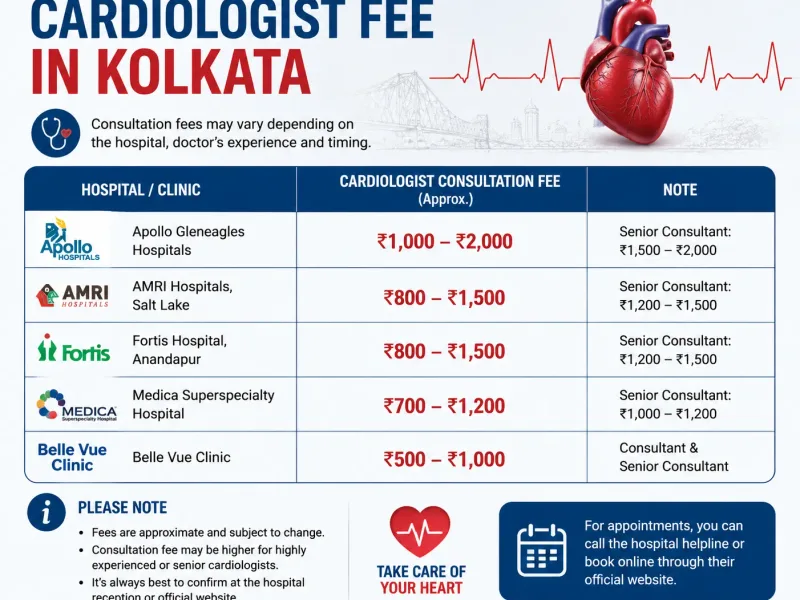
Learn about cardiologist fee in Kolkata, consultation charges, factors affecting costs, and tips to choose the right heart specialist.
May 29, 2026
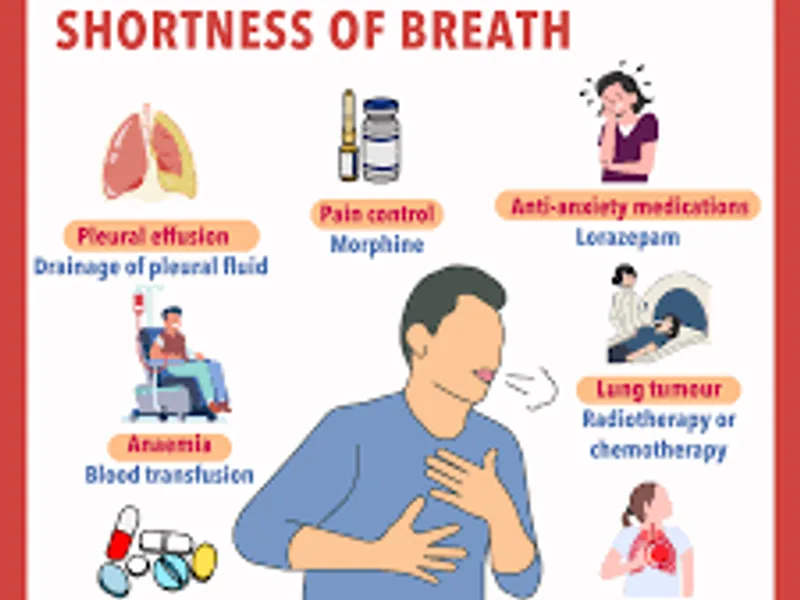
A simple guide to the best shortness of breath specialist in Kolkata, including causes, symptoms, treatment options, and expert medical advice.
May 29, 2026

Find the best chest pain doctor in Kolkata. Learn causes, symptoms, tests, and treatment options from top heart specialists in simple English.
May 29, 2026