

Emergency & Help
24/7 Emergency & General Advisory
🚨 24/7 Medical Emergency
Non-Emergency Advisory
10:00 AM – 6:00 PM, Mon–Sat
For appointments & general queries.
24/7 Emergency & General Advisory
🚨 24/7 Medical Emergency
Non-Emergency Advisory
10:00 AM – 6:00 PM, Mon–Sat
For appointments & general queries.
Understand Medicare Part B eligibility, enrollment periods, costs, and penalties. Learn when and how to enroll to ensure you have essential outpatient healthcare coverage.

Navigating the world of health insurance can feel overwhelming, especially when you're approaching a significant life stage like turning 65. Medicare, the federal health insurance program primarily for people aged 65 or older, plays a vital role in ensuring access to medical care. Among its various parts, Medicare Part B is particularly important for covering outpatient services. Understanding who is eligible for Part B and when you can enroll is key to securing the healthcare you need without unexpected penalties or gaps in coverage. What is Medicare Part B? Medicare Part B complements Medicare Part A, which primarily covers inpatient hospital stays. Part B focuses on outpatient care . This means it helps pay for services you receive when you're not admitted to a hospital. Think of your regular doctor's visits, preventive screenings, diagnostic tests, and emergency room visits – these are typically covered under Part B. It also covers services from specialists, outpatient therapy, and durable medical equipment like walkers or wheelchairs. Who is Eligible for Medicare Part B? For most Americans, eligibility for Medicare Part B is directly tied to age. You can begin the enrollment process in the months leading up to your 65th birthday. However, there are specific circumstances where you might be eligible to enroll even if you haven't reached 65. Standard Eligibility: Turning 65 Once you turn 65, you automatically qualify for Part B coverage. While you can enroll in the months before your birthday, your benefits won't become active until your 65th birthday. This period around your birthday is known as your Initial Enrollment Period (IEP) . Your IEP lasts for seven months: it begins 3 months before the month you turn 65, includes the month of your birthday, and ends 3 months after the month you turn 65. For example, if your birthday is in June, your IEP runs from March 1st to September 30th. Early Eligibility: Disabilities and Specific Health Conditions Medicare isn't just for seniors. If you have a qualifying disability or certain chronic health conditions, you may be eligible for Part B before age 65. Disability Benefits: If you have been receiving Social Security disability benefits or benefits from the Railroad Retirement Board (RRB) for at least 24 months, you will automatically be enrolled in Original Medicare (Parts A and B) in the 25th month of receiving these benefits. You don't need to actively enroll in this scenario. End-Stage Renal Disease (ESRD): Individuals diagnosed with ESRD, a permanent kidney failure requiring dialysis or a transplant, are eligible for Medicare Part B, regardless of age. Amyotrophic Lateral Sclerosis (ALS), also known as Lou Gehrig's disease: If you have been diagnosed with ALS, you are eligible to enroll in Medicare Part B immediately upon receiving your diagnosis, without any waiting period. When to Enroll in Medicare Part B Timing is everything when it comes to Medicare enrollment. Enrolling at the right time can help you avoid significant lifelong penalties. You have a few options: Initial Enrollment Period (IEP) As mentioned, your IEP is the best time to enroll. It offers a seven-month window around your 65th birthday. If you are receiving disability benefits for 24 months, your IEP for Part B begins in the 22nd month of receiving benefits. General Enrollment Period (GEP) If you miss your IEP and do not qualify for a Special Enrollment Period (explained below), you can enroll during the General Enrollment Period. This period runs from January 1st to March 31st each year. However, if you enroll during the GEP, your Part B coverage will not begin until July 1st of that year. This means there could be a gap in your coverage, and you might face a late enrollment penalty . Special Enrollment Period (SEP) Life circumstances can sometimes make it impossible to enroll during your IEP. A Special Enrollment Period allows you to enroll outside of your IEP or GEP without penalty. Common reasons for an SEP include: Losing other health insurance coverage (e.g., through an employer or spouse's job). Moving to an area where Medicare services are different. Your employer coverage ending. Generally, you have an 8-month window to enroll after the qualifying event occurs. It's crucial to understand the specific rules for SEPs to ensure you don't miss your chance. Understanding Medicare Part B Costs Medicare Part B does come with costs. These include a monthly premium and an annual deductible. For 2025, the standard monthly premium is set by the government and can change each year. If your income is higher than a certain amount, you may have to pay an Income-Related Monthly Adjustment Amount (IRMAA) in addition to the standard premium. After you meet your annual deductible, Part B typically covers 80% of the Medicare-approved amount for most covered services. You are responsible for the remaining 20% as coinsurance. Sometimes, you may be able to deduct your Part B premium on your taxes if your medical expenses exceed a certain percentage of your adjusted gross income and you itemize deductions. Financial Assistance: If paying for Part B premiums is a challenge, look into Medicare Savings Programs (MSPs). These programs, funded by states and the federal government, can help reduce or even eliminate your Part B premium, deductible, and coinsurance costs. Eligibility for MSPs is based on income and household size. What If You Don't Enroll When First Eligible? Failing to enroll in Medicare Part B when you are first eligible and do not have other creditable health insurance coverage can lead to a late enrollment penalty . This penalty is a permanent increase to your monthly Part B premium. The penalty is typically 10% of the standard monthly premium for each full 12-month period you were eligible but didn't sign up. This penalty stays with you for as long as you have Medicare Part B. For instance, suppose your neighbor, Mr. Sharma, continued working past 65 and had employer-sponsored health insurance. He decided to enroll in Medicare Part B three years after he turned 65 when he retired. Because he had continuous creditable coverage through his job, he likely wouldn't face a penalty. However, if he had simply decided not to enroll without having other coverage, he would have faced a late enrollment penalty added to his premium for the rest of his life. Part B vs. Other Medicare Options Part B is a vital component of Medicare, but it's not the only option. Understanding how it fits with other parts of Medicare can help you make informed decisions: Medicare Part A: Covers inpatient hospital stays, skilled nursing facility care, hospice care, and some home health care. Medicare Part C (Medicare Advantage): Offered by private insurance companies approved by Medicare, these plans bundle Part A, Part B, and often Part D (prescription drug coverage). They may also offer additional benefits like vision, dental, and hearing coverage. If you join a Medicare Advantage Plan, you'll still need to pay your Part B premium. Medicare Part D: Provides prescription drug coverage. You can get this through a standalone Part D plan if you have Original Medicare (Parts A and B) or through a Medicare Advantage Plan that includes drug coverage. If you are enrolled in Original Medicare (Parts A and B) and do not enroll in a Part D plan or a Medicare Advantage plan within 63 days of your initial Medicare enrollment period ending, you may face a permanent late enrollment penalty for Part D. When to Consult a Doctor or Insurance Advisor The intricacies of Medicare can be confusing. If you're unsure about your eligibility, enrollment periods, or the costs involved, it's highly recommended to: Consult your doctor: Discuss your health needs and how Medicare Part B can support them. Contact Medicare: Visit the official Medicare website (medicare.gov) or call them directly at 1-800-MEDICARE. Speak with a SHIP counselor: State Health Insurance Assistance Programs (SHIPs) offer free, unbiased counseling to Medicare beneficiaries. Talk to a licensed insurance agent: Ensure they specialize in Medicare products to get accurate advice. Making informed decisions about your Medicare enrollment ensures you have the healthcare coverage you need throughout your retirement years. Frequently Asked Questions About Medicare Part B Can I enroll in Medicare Part B at any time? Generally, no. You have specific enrollment periods: your Initial Enrollment Period around age 65, a Special Enrollment Period if you qualify due to specific life events, or the General Enrollment Period. Enrolling outside these times may result in a late enrollment penalty. Is Medicare Part B free? No, Part B is not free. Most beneficiaries pay a monthly premium, which can vary based on income. There is also an annual deductible and coinsurance payments for covered services. Can I get Medicare Part B without paying a premium? For most people, the Part B premium is mandatory. However, if you qualify for certain Medicare Savings Programs (MSPs) based on your income and assets, these programs can help cover the cost of your Part B premium, deductible, and coinsurance. What happens if I delay Part B enrollment? If
In summary, timely diagnosis, evidence-based treatment, and prevention-focused care improve long-term health outcomes.
Visit Hospital
Near You
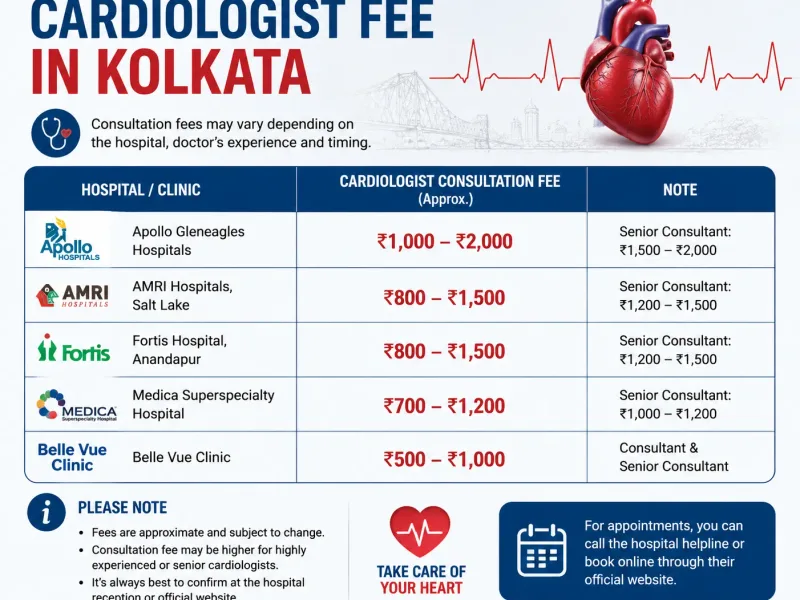
Learn about cardiologist fee in Kolkata, consultation charges, factors affecting costs, and tips to choose the right heart specialist.
May 29, 2026
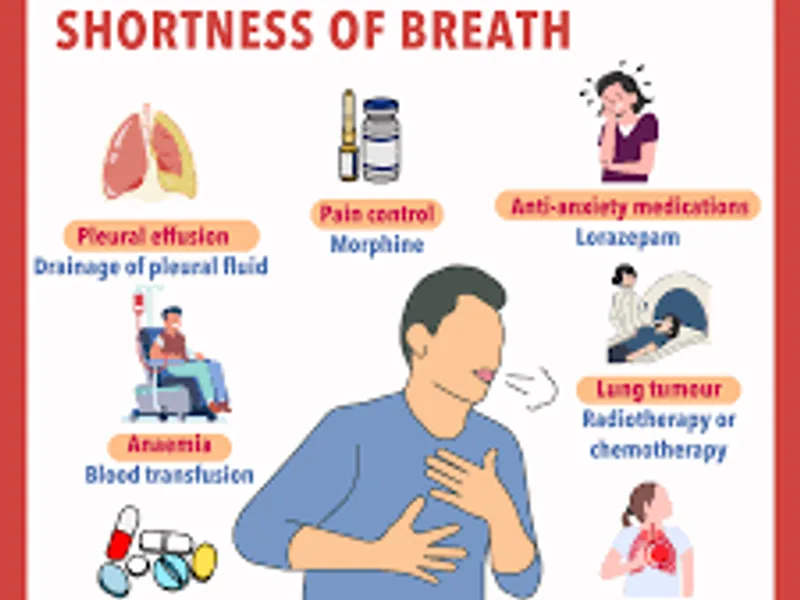
A simple guide to the best shortness of breath specialist in Kolkata, including causes, symptoms, treatment options, and expert medical advice.
May 29, 2026

Find the best chest pain doctor in Kolkata. Learn causes, symptoms, tests, and treatment options from top heart specialists in simple English.
May 29, 2026