

Emergency & Help
24/7 Emergency & General Advisory
🚨 24/7 Medical Emergency
Non-Emergency Advisory
10:00 AM – 6:00 PM, Mon–Sat
For appointments & general queries.
24/7 Emergency & General Advisory
🚨 24/7 Medical Emergency
Non-Emergency Advisory
10:00 AM – 6:00 PM, Mon–Sat
For appointments & general queries.
Understand the key differences between Medicare Part B and Medicare Part C (Medicare Advantage) plans, including coverage, costs, and how to choose the best option for your healthcare needs.

Navigating the world of Medicare can feel like a maze, especially when you're trying to understand the different parts and what they cover. Many individuals find themselves wondering about Medicare Part B and Medicare Part C, often referred to as Medicare Advantage. While both are vital components of healthcare coverage for seniors in India (and globally, though specific terms may vary by country, this explanation focuses on the principles of Medicare in the US as a framework), understanding their distinctions is key to making an informed decision about your health. This guide aims to simplify these options, helping you choose the path that best suits your healthcare needs and financial situation. Original Medicare, a federal health insurance program in the United States, consists of Part A (hospital insurance) and Part B (medical insurance). Part C, on the other hand, is a different approach, offering a bundled package through private insurance companies approved by Medicare. Let's break down what each part entails, their costs, and how they differ. What is Medicare Part B? Medicare Part B is your medical insurance. It plays a critical role in covering the costs of services you receive outside of a hospital stay. Think of it as your go-to coverage for everyday medical needs. It helps pay for doctor visits, outpatient care, medical equipment, and certain preventive services. Part B is a fundamental part of Original Medicare, working alongside Part A. Key Services Covered by Part B: Doctor visits (both in-office and specialist consultations) Outpatient hospital services (like emergency room visits or same-day surgeries not requiring an overnight stay) Preventive services, such as flu shots, cancer screenings (like mammograms and colonoscopies), and diabetes screenings Durable medical equipment (like walkers, wheelchairs, and oxygen equipment) Ambulance services Laboratory tests and X-rays Mental health services (outpatient) Physical and occupational therapy It's important to remember that Part B generally covers services that are medically necessary or fall under preventive care guidelines. You'll typically pay a monthly premium for Part B, and there's an annual deductible you must meet before Medicare starts paying its share. After the deductible is met, you usually pay 20% of the Medicare-approved amount for most services, while Medicare pays the remaining 80%. Imagine an elderly gentleman, Mr. Sharma, who needs regular check-ups for his diabetes and occasional visits to his cardiologist. He relies on Medicare Part B to cover the costs of these doctor appointments and the lab tests ordered by his physician. Without Part B, these routine but essential healthcare expenses would be a significant financial burden. What is Medicare Part C (Medicare Advantage)? Medicare Part C, also known as Medicare Advantage, offers a different way to receive your Medicare benefits. Instead of getting coverage through Original Medicare (Parts A and B) separately, you enroll in a plan offered by a private insurance company that is approved by Medicare. These plans are designed to bundle the benefits of Part A and Part B, and often include prescription drug coverage (Part D) as well. What Medicare Advantage Plans Typically Include: All the benefits covered by Original Medicare (Part A and Part B) Often includes prescription drug coverage (Part D) Additional benefits not typically covered by Original Medicare, which can include: Vision care (routine eye exams, glasses) Hearing care (hearing aids, exams) Dental care (routine check-ups, cleanings, dentures) Wellness programs and gym memberships The primary appeal of Medicare Advantage plans is their comprehensive nature. They provide a single, all-in-one plan that simplifies healthcare management. However, it's essential to understand that these plans operate differently from Original Medicare. You usually have a network of doctors and hospitals you must use. Costs can also vary significantly between plans, with different premiums, deductibles, copayments, and coinsurance amounts. For example, Mrs. Gupta, who is quite active and values her dental and vision health, chooses a Medicare Advantage plan. This plan not only covers her doctor visits and hospital stays (through bundled Parts A and B) but also includes an annual allowance for glasses and two dental cleanings per year, something her previous Original Medicare coverage didn't offer. Key Differences Between Part B and Part C The most significant distinctions between Medicare Part B and Medicare Part C lie in their structure, coverage, and administration: Administration: Part B is a federal government program administered by the Centers for Medicare and Medicaid Services (CMS). Part C plans are provided by private insurance companies that are approved by Medicare. Bundling of Benefits: Part B is a component of Original Medicare, focusing specifically on medical services. Part C bundles Part A, Part B, and often Part D, creating a comprehensive package. Coverage Scope: While Part B covers medically necessary services and preventive care, Part C plans can offer a broader range of benefits, including vision, dental, and hearing, which are not typically included in Original Medicare. Networks: With Part B, you generally have more freedom to see any doctor or go to any hospital that accepts Medicare. Part C plans, especially HMOs and PPOs, often require you to use doctors and facilities within their specific network to get the lowest costs, though some plans offer out-of-network coverage at a higher cost. Costs: Both parts have associated costs. Part B has a monthly premium and an annual deductible, followed by a coinsurance payment. Part C plans also have premiums (which may be in addition to the Part B premium), deductibles, copayments, and coinsurance, and these can vary widely by plan. Costs to Consider Understanding the costs associated with each part is crucial. For Part B, as of 2025, you can expect a monthly premium (which can be higher based on your income) and an annual deductible. After meeting the deductible, you typically pay 20% of the Medicare-approved amount for services, with Medicare covering the rest. For Part C (Medicare Advantage), costs can vary greatly. While some plans might have a $0 premium (meaning you only pay your Part B premium), others have a separate monthly premium. You'll also encounter deductibles, copayments for doctor visits, and coinsurance for services. It is vital to compare the out-of-pocket maximums for different Part C plans, as this is the most you would have to pay in a year for covered services. When to Choose Part B vs. Part C? Deciding between Part B and Part C depends on your individual healthcare needs, preferences, and budget. Consider Part B (as part of Original Medicare) if: You want the freedom to see any doctor or specialist who accepts Medicare, without needing referrals. You don't want to be restricted by a network of providers. You are comfortable managing your prescription drug coverage separately (with Part D). You value the simplicity of Original Medicare and don't need extra benefits like vision or dental. Consider Part C (Medicare Advantage) if: You prefer an all-in-one plan that bundles hospital, medical, and often prescription drug coverage. You want potential coverage for extras like vision, dental, and hearing, which can save you money. You are comfortable choosing a plan with a specific network of doctors and hospitals. You are looking for predictable costs, such as fixed copayments for doctor visits. You want an out-of-pocket maximum to limit your annual spending on healthcare services. Important Note: If you enroll in a Part C plan, you are still required to pay your Part B premium. Some Part C plans may include or reimburse your Part B premium, but this is not always the case. When to Consult a Doctor or Specialist Regardless of whether you choose Part B or Part C, knowing when to seek professional medical advice is essential. Don't hesitate to contact your doctor or a specialist if you experience any new or worsening symptoms, have concerns about your health, or need clarification on your treatment plan. Early consultation can lead to timely diagnosis and better health outcomes. Frequently Asked Questions (FAQ) Can I have both Part B and Part C? No, you cannot have both Original Medicare Part B and a Medicare Advantage Plan (Part C) simultaneously in the sense of duplicating coverage. When you enroll in a Medicare Advantage Plan, it replaces your Original Medicare (Parts A and B) for coverage. You still need to be enrolled in Part A and Part B to be eligible for Part C, and you continue to pay your Part B premium. The Part C plan then provides your covered benefits. Can my Medicare Advantage plan costs change? Yes, the costs and benefits of Medicare Advantage plans can change annually. Insurance companies review their plans each year and can adjust premiums, deductibles, copayments, and covered services. It's important to review your plan's Annual Notice of Changes (ANOC) that you receive each fall to understand any updates for the upcoming year. What happens if I don't enroll in Part B when I'm first eligible? If you don't sign up for Part B when you're first eligible and don't have other creditable health insurance coverage (like from an employer), you may have to pay a late enrollment penalty for as long as
In summary, timely diagnosis, evidence-based treatment, and prevention-focused care improve long-term health outcomes.
Visit Hospital
Near You
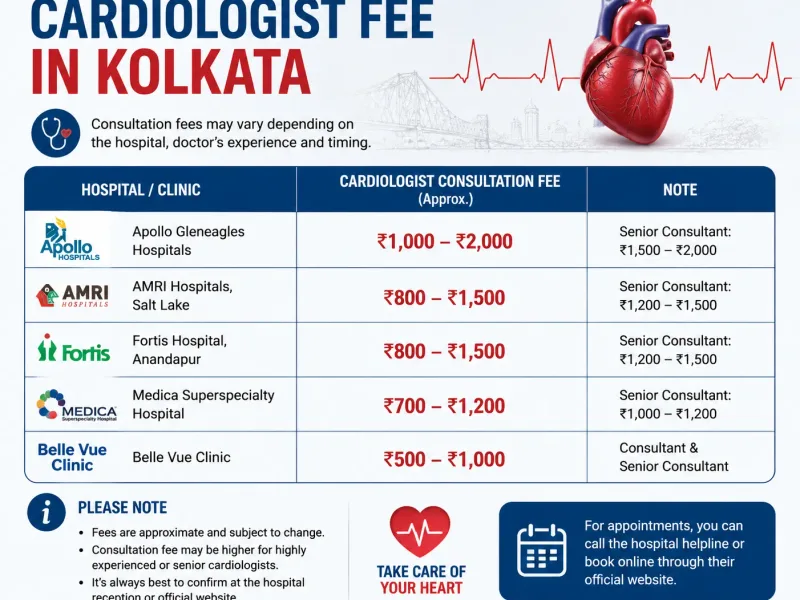
Learn about cardiologist fee in Kolkata, consultation charges, factors affecting costs, and tips to choose the right heart specialist.
May 29, 2026
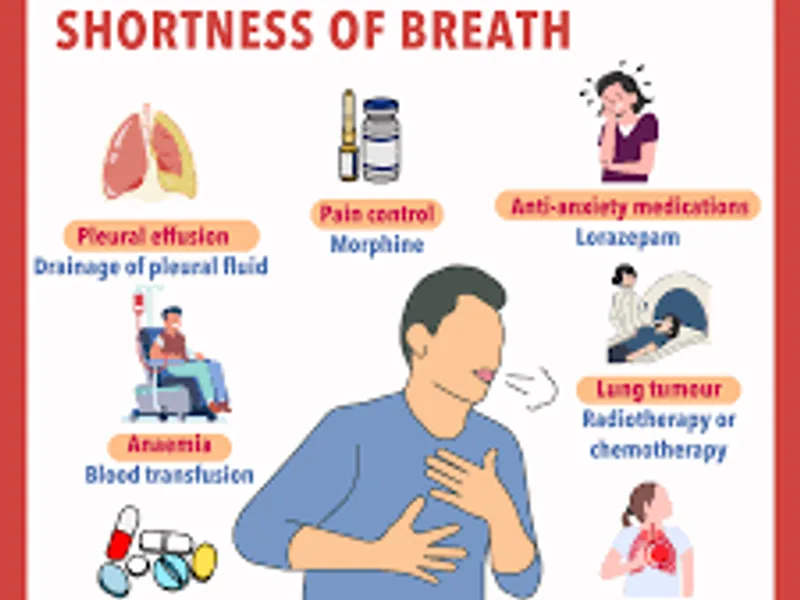
A simple guide to the best shortness of breath specialist in Kolkata, including causes, symptoms, treatment options, and expert medical advice.
May 29, 2026

Find the best chest pain doctor in Kolkata. Learn causes, symptoms, tests, and treatment options from top heart specialists in simple English.
May 29, 2026