

Emergency & Help
24/7 Emergency & General Advisory
🚨 24/7 Medical Emergency
Non-Emergency Advisory
10:00 AM – 6:00 PM, Mon–Sat
For appointments & general queries.
24/7 Emergency & General Advisory
🚨 24/7 Medical Emergency
Non-Emergency Advisory
10:00 AM – 6:00 PM, Mon–Sat
For appointments & general queries.
Understand Medicare Part D, the prescription drug coverage for seniors in the US. Learn about eligibility, enrollment periods, what's covered, costs, and how to choose the best plan for your needs.

Navigating healthcare after 65 can feel like a puzzle, and one of the most important pieces for many is managing prescription medications. In the United States, Medicare is the government-funded health insurance program primarily for individuals aged 65 and older. It's divided into different parts, each covering specific health needs. Today, we’re focusing on Medicare Part D , which is specifically designed to help with the cost of prescription drugs you take at home. Think of it this way: Medicare Parts A and B cover hospital stays, doctor visits, and other medical services. However, they don't typically cover most outpatient prescription drugs. That’s where Part D steps in. It’s administered by private insurance companies that have contracts with Medicare, meaning you’ll choose a plan offered by a private insurer, not directly from the government. This coverage is optional, but it’s incredibly valuable for many. Not enrolling when you’re first eligible can lead to a late enrollment penalty , which is an amount added to your monthly premium for as long as you have Part D coverage. So, understanding your options and enrolling at the right time is key. Who is Eligible for Medicare Part D? Generally, to be eligible for a Medicare Part D plan, you must be enrolled in either Medicare Part A (Hospital Insurance) or Medicare Part B (Medical Insurance). Most individuals become eligible for Medicare when they turn 65. However, some younger people can also qualify due to specific circumstances: Individuals under 65 who have been diagnosed with end-stage renal disease (ESRD), also known as kidney failure, and require dialysis or a kidney transplant. People who have been receiving Social Security disability payments for at least two years. An exception to this waiting period exists for those diagnosed with amyotrophic lateral sclerosis (ALS), also called Lou Gehrig’s disease; they become eligible in the first month they receive disability payments. Children under 20 years old with ESRD who have at least one parent eligible for Social Security benefits. Individuals who qualify before age 65 due to a disability or a specific health condition. If you qualify before age 65, you’ll typically enroll during your Initial Enrollment Period . This period lasts for seven months, starting three months before the month you turn 65 (or your disability starts), continuing through your birthday month, and ending three months after your birthday month. Missing this window could mean facing that late enrollment penalty. When Can You Enroll in a Part D Plan? Timing is everything when it comes to Medicare enrollment. For Part D, there are specific periods: Initial Enrollment Period (IEP): As mentioned, this is your first chance to sign up when you first become eligible for Medicare (either at 65 or due to disability). Open Enrollment Period (OEP): This is an annual period where anyone with Medicare can join, switch, or drop a Medicare Part D prescription drug plan. It runs every year from October 15 to December 7 . Changes you make during this time take effect on January 1 of the next year. This is also the time when most people can switch from a stand-alone Part D plan to a Medicare Advantage plan that includes drug coverage, or vice versa. Special Enrollment Period (SEP): In certain situations, you might qualify for a Special Enrollment Period outside of the regular OEP. This could happen if you lose other prescription drug coverage, move out of your plan’s service area, or experience other qualifying life events. It's always best to check the specific conditions for SEPs with Medicare. Scenario: Mrs. Sharma, who just turned 65, has been taking medication for high blood pressure for years. She received her Medicare card and knows Part D covers prescriptions, but she's unsure when exactly she needs to sign up. Her neighbor mentioned the fall enrollment period. She needs to make sure she enrolls during her Initial Enrollment Period to avoid any penalties, which is happening right around her birthday. What Does Medicare Part D Cover? Medicare Part D plans are required to cover a wide range of medications, but the specifics can vary from plan to plan. Each plan has a formulary , which is a list of the prescription drugs the plan covers. It's essential to check if your specific medications are on the formulary of any plan you consider. However, Medicare does have some general requirements for what Part D plans must cover: Drug Categories: Plans must cover at least two medications from each of the most commonly prescribed drug categories. For instance, if you take medication for high blood pressure (hypertension) or high cholesterol (hypercholesterolemia), plans must offer options within these categories. Six Key Drug Classes: All Part D plans must cover most drugs in the following six classes: Antidepressants Antipsychotics Anticonvulsants (for epilepsy and seizures) Immunosuppressants (for organ transplant patients) Antiretrovirals (for HIV and AIDS) Diabetes medications Vaccines: Most Part D plans cover the majority of recommended vaccines, often with no copayment. This is a significant benefit for preventative health. What is generally NOT covered by Medicare Part D? It’s also important to know what Part D typically doesn't cover. Stand-alone Part D plans usually do not cover: Over-the-counter (OTC) medications, unless prescribed by a doctor and considered medically necessary under specific circumstances. Cosmetic drugs. Drugs prescribed for weight loss or weight gain. Medications prescribed for conditions like erectile dysfunction, infertility, or hair growth, unless they are for a medically recognized condition. It's crucial to review the formulary and coverage details of any specific Part D plan to understand exactly what medications and vaccines are included. Costs Associated with Part D Plans While Part D helps significantly with medication costs, it’s not entirely free. You will likely encounter several types of costs: Premiums: This is the monthly amount you pay for the Part D plan. Premiums can vary widely depending on the plan and your location. Some people with higher incomes may pay an additional amount, known as an Income-Related Monthly Adjustment Amount (IRMAA). Deductibles: This is the amount you pay for your prescriptions before your insurance plan starts to pay its share. Deductibles can range from $0 up to the maximum allowed by Medicare. Copayments (Copays) or Coinsurance: After you meet your deductible, you’ll pay a copay (a fixed amount, like ₹200) or coinsurance (a percentage of the drug cost, like 25%) for each prescription. These amounts often differ for generic versus brand-name drugs, and for drugs in different tiers of the formulary. Coverage Gap (Donut Hole): This is a phase in Part D coverage. Once your total drug costs (what you pay plus what your plan pays) reach a certain limit, you enter the coverage gap. In this phase, you pay a higher percentage for your medications until your out-of-pocket costs reach another limit. After you exit the coverage gap, you enter the catastrophic coverage phase, where your costs become much lower for the rest of the year. For 2024, the coverage gap starts after $5,030 in total drug costs and ends when your out-of-pocket costs reach $8,000. Insulin Costs: A significant improvement has been made for insulin users. As of January 1, 2021, Medicare Part D plans cap the cost of a month's supply of select insulins at $35 or less . This has been a huge relief for many individuals managing diabetes. How to Choose the Right Part D Plan With numerous plans available, selecting the best one for your needs requires careful consideration: Review Your Current Medications: Make a list of all the prescription drugs you take regularly. Check if they are covered by the plan's formulary and note which tier they fall into, as this affects your cost. Compare Costs: Look beyond just the monthly premium. Consider the deductible, copays/coinsurance for your specific drugs, and how they fit into your budget. Use Medicare’s online tools to estimate your total yearly drug costs with different plans. Understand the Formulary: Ensure the plan covers your necessary medications. If a drug isn't on the formulary, ask your doctor if a similar, covered drug could be an alternative. Check Plan Ratings: Medicare provides star ratings for Part D plans, indicating their quality and member satisfaction. Higher ratings generally suggest a better plan. Consider Pharmacy Network: Some plans may offer lower costs if you use pharmacies within their preferred network. Action Step: Visit the official Medicare website (Medicare.gov) and use their Plan Finder tool . This is the most reliable way to compare plans available in your specific area, view their formularies, and estimate costs based on your prescriptions. When to Consult a Doctor or Specialist While Part D helps manage medication costs, it doesn't replace the need for regular medical care. Always consult your doctor for: Discussing new prescriptions or changes to your current medication regimen. Understanding how your medications interact with each other. Getting advice on the most effective and cost-efficient treatment options. Asking about potential side effects and how to manage them. Your doctor plays a vital role in ensuring you receive the best
In summary, timely diagnosis, evidence-based treatment, and prevention-focused care improve long-term health outcomes.
Visit Hospital
Near You
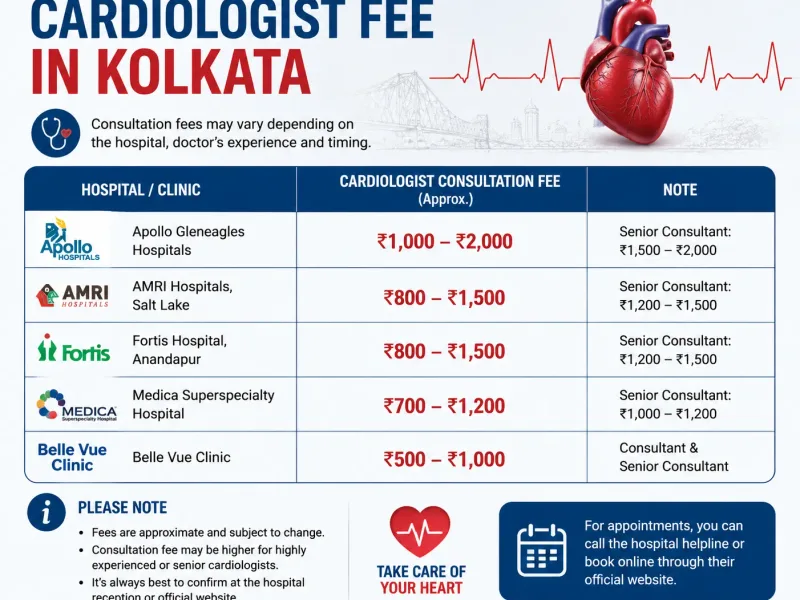
Learn about cardiologist fee in Kolkata, consultation charges, factors affecting costs, and tips to choose the right heart specialist.
May 29, 2026
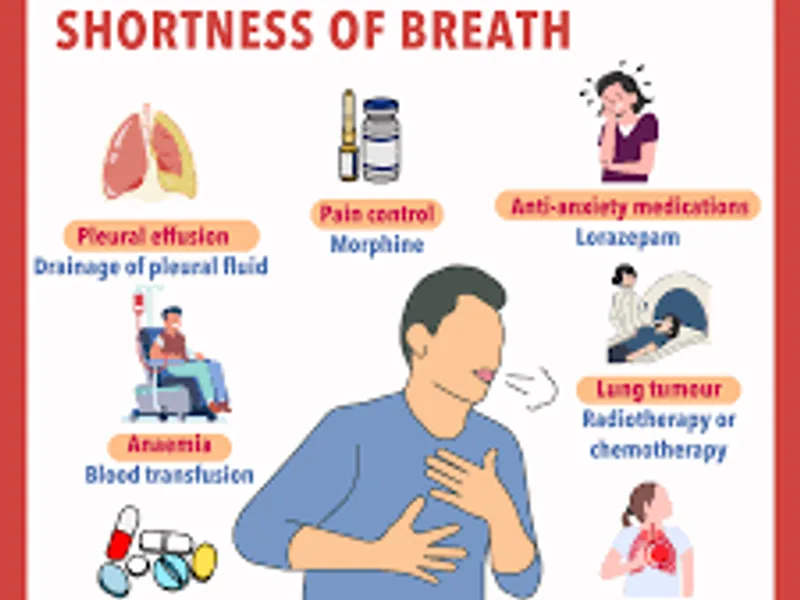
A simple guide to the best shortness of breath specialist in Kolkata, including causes, symptoms, treatment options, and expert medical advice.
May 29, 2026

Find the best chest pain doctor in Kolkata. Learn causes, symptoms, tests, and treatment options from top heart specialists in simple English.
May 29, 2026