

Emergency & Help
24/7 Emergency & General Advisory
🚨 24/7 Medical Emergency
Non-Emergency Advisory
10:00 AM – 6:00 PM, Mon–Sat
For appointments & general queries.
24/7 Emergency & General Advisory
🚨 24/7 Medical Emergency
Non-Emergency Advisory
10:00 AM – 6:00 PM, Mon–Sat
For appointments & general queries.
Understand Medicare prescription drug coverage options, including Part D and Part C plans. Learn about eligibility, costs, what's covered, and how to save money on your medications.

Navigating the world of Medicare can feel like deciphering a complex code, especially when it comes to prescription drug coverage. If you're eligible for Medicare, you're likely wondering how to ensure your medications are covered affordably. You're not alone! Many people find this part of Medicare confusing. But understanding your options can save you significant money and ensure you get the medicines you need. This guide will break down Medicare's prescription drug benefits, focusing on Part D and how Medicare Advantage (Part C) plans can also offer coverage.
Medicare has several parts, each covering different aspects of healthcare. When it comes to prescription drugs, two main avenues exist: Medicare Part D and Medicare Advantage (Part C) plans that include prescription drug coverage. Think of these plans as your allies in managing the cost of medications, which can often be a substantial part of healthcare expenses.
Medicare Part D is specifically designed to help cover the costs of FDA-approved prescription medications. If you have Original Medicare (Parts A and B), a Part D plan is often the best way to get prescription drug benefits. These plans are offered by private insurance companies that have been approved by Medicare. The specific drugs covered depend on the plan you choose and its formulary, which is essentially a list of covered medications. Your out-of-pocket costs, such as deductibles, copayments, and coinsurance, will vary based on the plan and the medications you use.
Medicare Advantage, also known as Part C, is an alternative way to receive your Medicare benefits. These plans are also offered by private insurance companies. Many Part C plans bundle hospital (Part A), medical (Part B), and prescription drug coverage into one convenient plan. This can be a great option if you prefer a single plan to manage most of your healthcare needs, including your prescriptions. The prescription drug coverage within these plans works similarly to standalone Part D plans, with formularies and varying out-of-pocket costs.
Generally, you become eligible for Medicare when you turn 65. This is usually around your 65th birthday, with enrollment periods starting three months before and ending three months after the month you turn 65. However, eligibility isn't limited to age:
If you are eligible for Medicare, you are also eligible to enroll in a Part D plan or a Medicare Advantage plan that includes drug coverage. For most people, enrollment in Part D is optional, but it's important to enroll when you first become eligible to avoid potential late enrollment penalties.
There are a few ways to ensure you have prescription drug coverage through Medicare:
It's important to compare plans carefully during the enrollment periods. Your choice will depend on your specific healthcare needs, the medications you take, and your budget.
While Part D and Part C plans are the primary ways Medicare helps with prescription costs, other options might be available to further reduce your expenses:
The drugs covered by Medicare prescription plans fall into specific categories, generally including:
Drugs that are typically not covered by Part D include:
Each plan has its own formulary, so it's vital to check if your specific medications are covered by the plan you are considering.
The costs associated with Medicare prescription drug plans can include:
A significant change is coming in 2025: the elimination of out-of-pocket Part D prescription drug costs exceeding $2,000 for covered medications. This new rule, part of the catastrophic coverage phase, aims to make prescription drugs more affordable for everyone on Part D.
Choosing the right Medicare prescription drug plan is a personal decision. Here's when to seek guidance:
A common scenario is Mr. Sharma, who recently turned 65 and was overwhelmed by the Medicare enrollment options. He takes several medications for blood pressure and diabetes. He scheduled a call with 800-MEDICARE and brought a list of his prescriptions to discuss which Part D plans would cover them most affordably, considering his expected pharmacy visits.
If you delay enrollment in a Part D plan or Medicare Advantage plan with drug coverage and don't have other credible prescription drug coverage (like from an employer or union), you may have to pay a late enrollment penalty. This penalty is added to your monthly premium for as long as you have Medicare drug coverage.
Yes, you can generally change your Part D plan or Medicare Advantage plan during the Medicare Open Enrollment Period (October 15 to December 7) each year. You can also make changes if you experience a Special Enrollment Period due to specific life events, such as moving or losing other coverage.
No, plans have a network of preferred pharmacies. Using a pharmacy outside the network might result in higher costs for your prescriptions. It's wise to check if your preferred local pharmacy is part of the plan's network before enrolling.
Visit Hospital
Near You
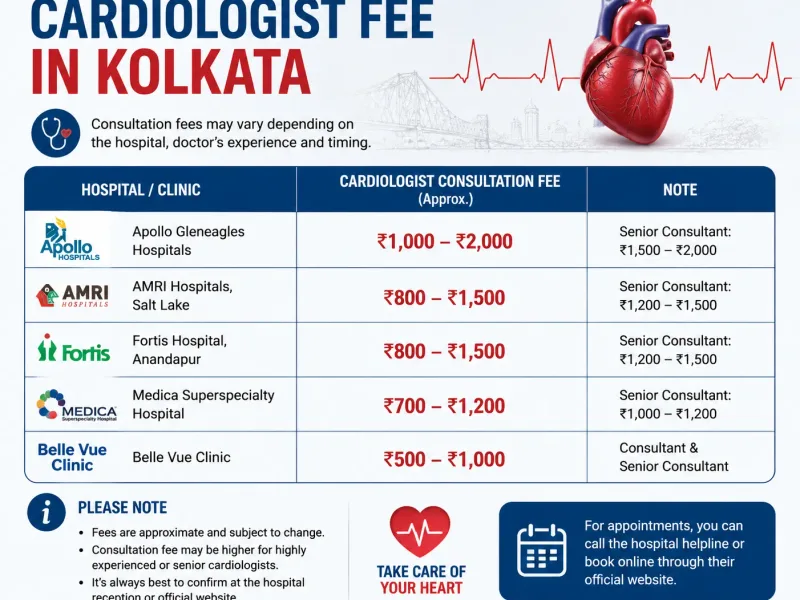
Learn about cardiologist fee in Kolkata, consultation charges, factors affecting costs, and tips to choose the right heart specialist.
May 29, 2026
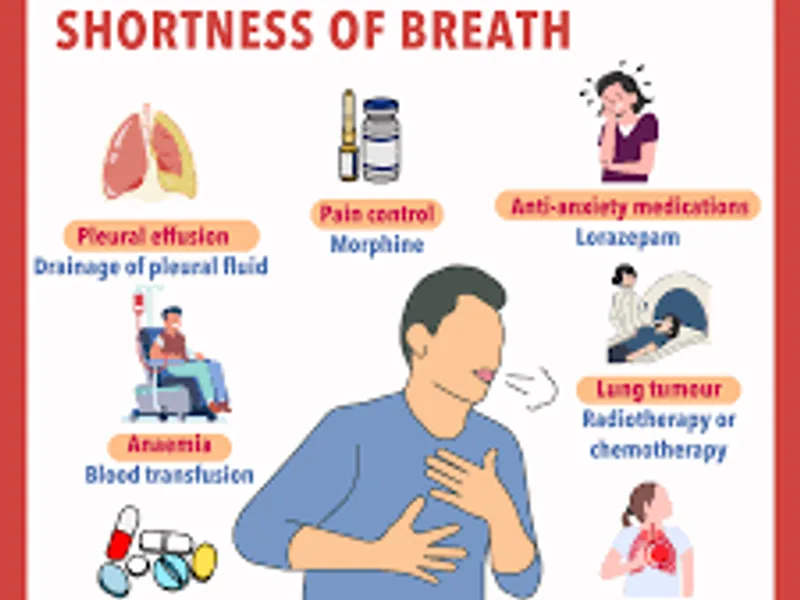
A simple guide to the best shortness of breath specialist in Kolkata, including causes, symptoms, treatment options, and expert medical advice.
May 29, 2026

Find the best chest pain doctor in Kolkata. Learn causes, symptoms, tests, and treatment options from top heart specialists in simple English.
May 29, 2026