

Emergency & Help
24/7 Emergency & General Advisory
🚨 24/7 Medical Emergency
Non-Emergency Advisory
10:00 AM – 6:00 PM, Mon–Sat
For appointments & general queries.
24/7 Emergency & General Advisory
🚨 24/7 Medical Emergency
Non-Emergency Advisory
10:00 AM – 6:00 PM, Mon–Sat
For appointments & general queries.
Understand Medicare's Annual Enrollment Period (AEP), also known as Open Enrollment (Oct 15 - Dec 7). Learn what changes you can make to your Medicare Advantage and Part D plans for the upcoming year, and when those changes take effect.

Navigating the world of health insurance can feel overwhelming, especially when it comes to Medicare. Many people hear about the "Annual Enrollment Period" or AEP, and while it's commonly called that, Medicare itself refers to this important time as the Open Enrollment Period (OEP) . This period, running from October 15 to December 7 each year, is your golden opportunity to review and adjust your Medicare health and prescription drug plans for the upcoming year. Think of it as your annual check-up for your insurance – a chance to ensure it still fits your health needs and budget. Why is the Medicare Open Enrollment Period So Important? Private insurance companies offer various Medicare Advantage (Part C) and Part D prescription drug plans. Each year, these companies can make changes to their offerings. These changes might affect: The doctors, hospitals, and pharmacies that are part of your plan's network (your "in-network" providers). The specific health services and prescription drugs your plan covers. The costs you pay, such as premiums, deductibles, and copayments. Because of these potential changes, your current Medicare plan might not be the best fit for you in the next year. The Open Enrollment Period gives you the power to switch to a plan that better suits your evolving healthcare requirements and financial situation. Making informed choices during this period can lead to significant savings and better access to care. What Changes Can You Make During the Open Enrollment Period? This fall enrollment period is your chance to make several types of changes to your Medicare coverage. You can: Switch from Original Medicare (Part A and Part B) to a Medicare Advantage Plan (Part C). Medicare Advantage plans are offered by private insurance companies and bundle hospital (Part A) and medical (Part B) coverage, often including prescription drug coverage (Part D) and extra benefits like dental, vision, and hearing. Switch from a Medicare Advantage Plan back to Original Medicare. If you find that Original Medicare better meets your needs, you can make this switch. Switch from one Medicare Advantage Plan to a different Medicare Advantage Plan. This is common if you find a plan with better coverage, lower costs, or a more convenient network of providers. Switch from a Medicare Advantage Plan that includes prescription drug coverage to one that does not, or vice-versa. This might be useful if you decide to get your Part D coverage separately. Join, switch, or drop a Medicare Part D prescription drug plan. If you have Original Medicare or a Medicare Advantage plan without drug coverage, you can choose a standalone Part D plan. You can also switch between different Part D plans. It's important to note that if you have Original Medicare and don't have prescription drug coverage (either through Original Medicare or a Medicare Advantage plan), you might face a late enrollment penalty if you don't sign up for a Part D plan during your Initial Enrollment Period or the fall Open Enrollment Period. When Do Changes Made During AEP Take Effect? Any changes you make to your Medicare health or prescription drug plans during the Annual Enrollment Period (October 15 – December 7) will become effective on January 1 of the following year . This means that your new coverage will start with the new calendar year, providing you with a fresh start for your healthcare needs. What is the Annual Notice of Change (ANOC)? Around September each year, before the Open Enrollment Period begins, your current Medicare plan provider is required to send you an Annual Notice of Change (ANOC) . This document is vital! It details any changes your plan will make for the upcoming year, including: Adjustments to your monthly premiums. Changes in deductibles, copayments, and coinsurance. Updates to the list of covered drugs and the plan's formulary. Modifications to the network of doctors and hospitals. You should receive the ANOC by mail. Take the time to read it carefully. It provides the information you need to compare your current plan with other available options during the Open Enrollment Period. Can You Make Changes Outside of the Open Enrollment Period? Yes, you may be able to make changes to your Medicare coverage at other times of the year, but only if you qualify for a Special Enrollment Period (SEP) . SEPs are available for specific life events. Some common qualifying events include: Losing other health coverage, such as when you leave an employer's plan. Moving to a new area where Medicare plans are not available. Having a change in your Medicaid eligibility. Experiencing certain other specific circumstances, like a natural disaster affecting your plan services. There's also a period from January 1 to March 31 where you might be able to make certain changes if you have a Medicare Advantage plan, but this often comes with a late enrollment penalty, and your coverage would start July 1. It's generally best to make changes during the main Open Enrollment Period (AEP) if possible. A scenario where an SEP might apply: Consider Mrs. Sharma, who recently retired and lost her employer's health insurance. She needs to enroll in Medicare promptly. Because she lost her previous coverage, she qualifies for a Special Enrollment Period, allowing her to sign up for Medicare Parts A and B without facing a late enrollment penalty, even though it's outside the usual AEP. What About Medigap (Medicare Supplement Insurance)? Medigap policies help pay for costs that Original Medicare doesn't cover, like deductibles and copayments. Medigap has its own open enrollment period, which is a 6-month period that starts when you are both age 65 or older and enrolled in Medicare Part B. During this time, you can buy any Medigap policy sold in your state and the insurance company must sell it to you regardless of your health. Outside of this specific Medigap OEP, you may be denied coverage or charged more based on your health status. Tips for Navigating the Open Enrollment Period Making the right Medicare choices can seem daunting, but here are some practical tips: Start Early: Don't wait until the last minute. Information about new plans and changes usually becomes available in early October, giving you a head start. Review Your ANOC: Read the Annual Notice of Change from your current plan thoroughly. It’s your baseline for comparison. Compare Plans: Use Medicare's official website (Medicare.gov) or call 1-800-MEDICARE to compare different Medicare Advantage and Part D plans available in your area. You can also speak with a SHIP (State Health Insurance Assistance Program) counselor for free, unbiased advice. Consider Your Needs: Think about your health conditions, the medications you take, your preferred doctors and hospitals, and your budget. Understand Costs: Look beyond the monthly premium. Consider deductibles, copayments, coinsurance, and potential out-of-pocket maximums. Check Drug Coverage: If you need prescription drug coverage, ensure the plan covers your medications at a reasonable cost. Use the plan's formulary to check this. Network Matters: Verify that your preferred doctors and hospitals are included in the plan's network. When Should You Consult a Doctor or Insurance Advisor? While you can make many decisions yourself, consulting with professionals can provide valuable clarity. Consider speaking with: Your Doctor: Discuss how potential changes in Medicare plans might affect your access to preferred healthcare providers and treatments. A SHIP Counselor: These counselors offer free, personalized, and unbiased assistance with Medicare choices. A Licensed Insurance Agent: If you choose to work with an agent, ensure they are licensed and represent multiple insurance companies, not just one. Ask them to explain all your options, including Original Medicare with a Part D plan and various Medicare Advantage plans. Making informed decisions during Medicare's Open Enrollment Period ensures that your healthcare coverage aligns with your needs throughout the year. Remember, the period runs from October 15 to December 7, and changes take effect on January 1. Take advantage of this time to secure the best possible Medicare plan for your health and well-being. Frequently Asked Questions (FAQ) Q1: What is the main difference between AEP and OEP? Technically, Medicare refers to the fall enrollment period (October 15 - December 7) as the Open Enrollment Period (OEP). The term Annual Enrollment Period (AEP) is commonly used by the public and insurance companies, but they refer to the same time frame. The distinction helps avoid confusion with other Medicare enrollment periods. Q2: Can I switch from Medicare Advantage back to Original Medicare during AEP? Yes, you can switch from a Medicare Advantage plan back to Original Medicare (Parts A and B) during the Annual Enrollment Period (AEP). You may also want to enroll in a separate Part D prescription drug plan at this time if you don't have one. Q3: What happens if I miss the AEP deadline? If you miss the December 7 deadline for the Annual Enrollment Period, you generally cannot make changes to your Medicare Advantage or Part D plans until the next AEP in the fall, unless you qualify for a Special Enrollment Period (SEP) due to a specific life event.
In summary, timely diagnosis, evidence-based treatment, and prevention-focused care improve long-term health outcomes.
Visit Hospital
Near You

Learn about cardiologist fee in Kolkata, consultation charges, factors affecting costs, and tips to choose the right heart specialist.
May 29, 2026
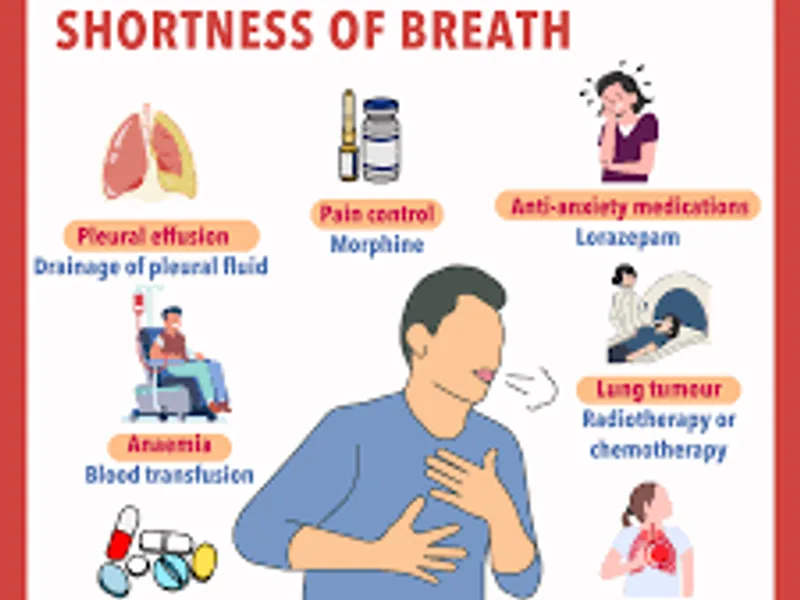
A simple guide to the best shortness of breath specialist in Kolkata, including causes, symptoms, treatment options, and expert medical advice.
May 29, 2026

Find the best chest pain doctor in Kolkata. Learn causes, symptoms, tests, and treatment options from top heart specialists in simple English.
May 29, 2026