

Emergency & Help
24/7 Emergency & General Advisory
🚨 24/7 Medical Emergency
Non-Emergency Advisory
10:00 AM – 6:00 PM, Mon–Sat
For appointments & general queries.
24/7 Emergency & General Advisory
🚨 24/7 Medical Emergency
Non-Emergency Advisory
10:00 AM – 6:00 PM, Mon–Sat
For appointments & general queries.
Discover what an osteopath (DO) is, their unique training in osteopathic manipulative medicine (OMM), and how they differ from MDs. Learn about their holistic approach to health and when to consider consulting one.

In the realm of healthcare, you've likely heard terms like MD (Medical Doctor) and perhaps even DO (Doctor of Osteopathic Medicine). But what exactly is a DO, and how do they fit into the Indian healthcare landscape? An osteopath, or a doctor of osteopathic medicine, is a fully licensed physician who, in addition to conventional medical training, receives specialized education in the musculoskeletal system and its impact on overall health. They approach healing by considering the whole person, not just a specific ailment.
An osteopath is a medical doctor who is trained to diagnose and treat illnesses and injuries. What sets them apart is their comprehensive understanding of how your body's structure, particularly the musculoskeletal system (bones, muscles, and nerves), influences your well-being. They believe that all body systems are interconnected and that by addressing structural issues, they can help the body heal itself.
In countries like the United States, DOs are licensed to prescribe medication, perform surgery, and utilize advanced diagnostic tools, just like MDs. While the term 'osteopath' might evoke images of purely hands-on manipulation, it's important to understand that DOs integrate these techniques with conventional medical practices.
The journey to becoming a DO is rigorous and comprehensive. It begins with a bachelor's degree, followed by four years of medical school. During medical school, DO students receive the same foundational medical education as MD students, covering all aspects of human anatomy, physiology, and pathology. However, they also undergo additional training focused on the body's musculoskeletal framework and learn osteopathic manipulative medicine (OMM).
OMM involves a variety of hands-on techniques, including:
These techniques are used to diagnose, treat, and prevent illness or injury. The goal is to relieve pain, restore mobility, and improve the body's ability to function optimally. After medical school, DOs complete a residency program, which can last from one to seven years, depending on their chosen specialty. This residency is similar to that of MDs, allowing them to gain in-depth experience in their field.
The primary distinction between a DO and an MD lies in their training philosophy and approach to treatment. Both are fully licensed physicians capable of practicing medicine, prescribing medication, and performing surgery.
Key Differences:
In practice, the choice between seeing a DO or an MD often comes down to personal preference. If you appreciate a physician who is open to a more holistic perspective and the use of manual therapies alongside conventional medicine, a DO might be a great fit for you. Many MDs also adopt a holistic approach, but the formal training in OMM is unique to DOs.
It's also helpful to distinguish DOs from other practitioners:
While both DOs and NDs may share a philosophical belief in the body's self-healing capabilities, their training and scope of practice differ significantly. NDs typically complete a 4-year graduate program in naturopathic medicine and are licensed in some regions, but their practice varies widely by location. DOs, on the other hand, are fully licensed physicians with comprehensive medical training comparable to MDs, including the ability to prescribe medication and perform surgery.
Chiropractors focus primarily on the diagnosis and treatment of neuromuscular disorders, with an emphasis on spinal manipulation. While there can be overlap in techniques, DOs have a broader scope of practice, encompassing all aspects of medicine, and their training includes OMM as one component of a comprehensive medical education.
An osteopath can be a valuable healthcare provider for a wide range of conditions, particularly those involving the musculoskeletal system. They can be an excellent choice for:
Consider Mrs. Sharma, a 55-year-old homemaker who has been suffering from persistent lower back pain for months. Over-the-counter pain relievers offer only temporary relief, and she finds it difficult to perform daily chores. Her doctor suggests she try seeing a DO, hoping that the hands-on approach might address the underlying muscle tension and spinal alignment contributing to her discomfort.
While the osteopathic profession is well-established in countries like the US, its presence and recognition in India are evolving. In India, the term 'osteopath' might sometimes be used more broadly. It's essential for patients to verify the credentials of any practitioner they consult. A Doctor of Osteopathic Medicine (DO) in India, if practicing, would have undergone rigorous international or equivalent training and hold relevant medical licenses. It's always advisable to seek practitioners who are recognized by established medical bodies and have clear qualifications.
Many practitioners in India who use manual therapy techniques may have backgrounds in physiotherapy, orthopedics, or even alternative medicine. The key is to find a healthcare provider who can accurately diagnose your condition and offer a treatment plan that aligns with your needs and preferences, whether it involves conventional medicine, OMM, or a combination of approaches.
Deciding whether to see an MD, a DO, or another healthcare professional depends on your specific health concerns and what you're looking for in a provider. If you're experiencing musculoskeletal pain or are interested in a holistic approach that integrates manual therapy with conventional medicine, exploring the option of consulting a DO could be beneficial. Always ensure your healthcare provider is licensed and has the appropriate qualifications to treat your condition.
When you visit a DO, expect a thorough medical history and physical examination. They will likely assess your posture, range of motion, and muscle function. They will discuss your symptoms and lifestyle to understand the root cause of your problem. Be prepared to ask questions about their treatment approach and what you can expect.
Visit Hospital
Near You
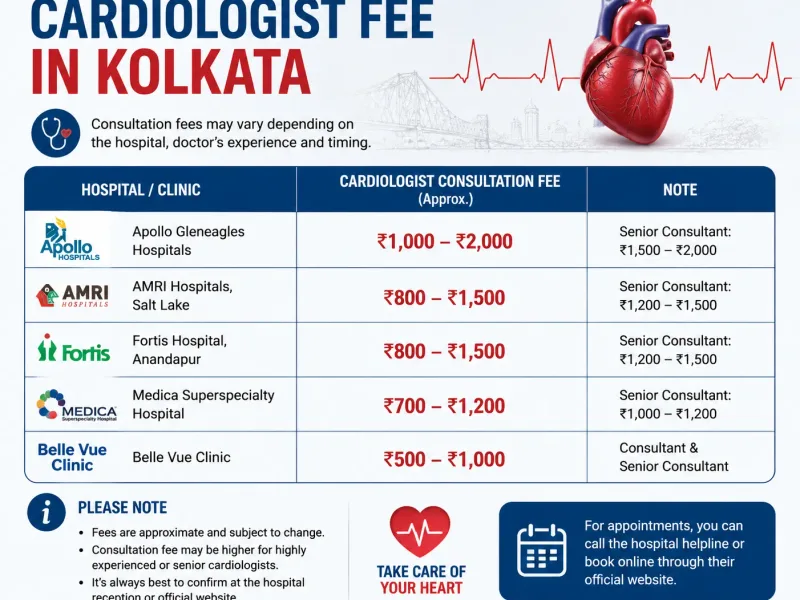
Learn about cardiologist fee in Kolkata, consultation charges, factors affecting costs, and tips to choose the right heart specialist.
May 29, 2026
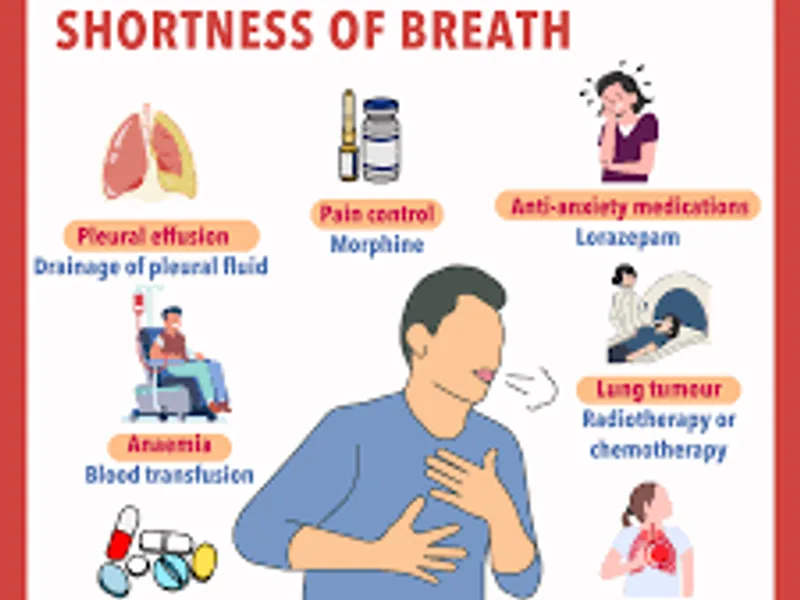
A simple guide to the best shortness of breath specialist in Kolkata, including causes, symptoms, treatment options, and expert medical advice.
May 29, 2026
Find the best chest pain doctor in Kolkata. Learn causes, symptoms, tests, and treatment options from top heart specialists in simple English.
May 29, 2026