

Emergency & Help
24/7 Emergency & General Advisory
🚨 24/7 Medical Emergency
Non-Emergency Advisory
10:00 AM – 6:00 PM, Mon–Sat
For appointments & general queries.
24/7 Emergency & General Advisory
🚨 24/7 Medical Emergency
Non-Emergency Advisory
10:00 AM – 6:00 PM, Mon–Sat
For appointments & general queries.
Learn about palliative care, its benefits, and how to access it in India, with insights relevant to Medicare coverage principles for serious illnesses.

Navigating serious illnesses can be overwhelming, not just for the patient but for their entire family. In India, while the concept of palliative care is gaining traction, understanding how to access and finance it remains a significant concern for many. This is particularly true for individuals who may have been exposed to or are familiar with systems like Medicare in other countries. This article aims to clarify what palliative care entails and how it can be accessed, drawing parallels and providing insights relevant to the Indian healthcare context, focusing on how comprehensive care can be ensured for patients and their loved ones.
Palliative care is a specialized medical approach focused on providing relief from the symptoms and stress of a serious illness. The primary goal is to improve quality of life for both the patient and the family. Unlike hospice care, which is specifically for individuals with a terminal illness and a prognosis of six months or less to live, palliative care can be provided alongside curative or life-prolonging treatments. It’s about living as well as possible for as long as possible, regardless of the stage of illness.
Think of it as a supportive layer of care that complements your primary medical treatment. A palliative care team works hand-in-hand with your doctors to manage pain, discomfort, and other challenging symptoms. They also offer emotional and spiritual support, helping patients and families cope with the practical and emotional impact of illness.
It's important to distinguish between palliative care and hospice care, as they serve different, though sometimes overlapping, purposes:
In essence, you can receive palliative care without choosing hospice, but hospice care inherently includes palliative principles for comfort and symptom relief.
A palliative care team is multidisciplinary, ensuring a holistic approach to patient well-being. The team might include:
This team collaborates closely with your primary physician and other specialists involved in your care.
The advantages of integrating palliative care into a treatment plan are numerous:
While India has made strides in palliative care, access can vary. Many leading multi-specialty hospitals and dedicated cancer centers offer palliative care services. Non-governmental organizations (NGOs) also play a vital role in providing home-based palliative care, especially in underserved areas.
How to Find Palliative Care Services:
In the context of India, the financial aspect of palliative care often involves a mix of out-of-pocket expenses, insurance coverage, and charitable support. Unlike the direct coverage provided by systems like Medicare in some countries, Indian healthcare financing relies on:
A common scenario might involve a patient with advanced cancer whose primary treatment is ongoing. Their family might be struggling with the patient's severe pain and anxiety. The oncologist, recognizing the need, refers them to the hospital's palliative care team. This team then works on managing the pain effectively with appropriate medication and provides counseling to both the patient and their children, significantly improving their comfort and ability to cope.
Palliative care isn't just for the very end of life. Consider it when a serious illness begins to impact your daily life and well-being. This includes conditions such as:
Essentially, if a serious illness is causing significant symptoms or distress, and you desire an improved quality of life, it's time to explore palliative care.
The cost can vary widely. In India, it can range from being free (through NGOs) to requiring significant out-of-pocket payments or being covered by insurance. It's crucial to inquire about costs and available financial assistance options upfront.
Yes, many organizations and hospital-based teams offer home-based palliative care services, which can be incredibly beneficial for patients who prefer to stay in their own environment.
Absolutely not. Palliative care is designed to work alongside curative or life-prolonging treatments, focusing on making the patient more comfortable and improving their overall well-being during treatment.
While general medical care focuses on treating the disease, palliative care focuses on treating the whole person – addressing physical symptoms, emotional distress, practical needs, and spiritual concerns associated with serious illness.
Understanding palliative care and how to access it is vital for anyone facing a serious illness in India. While the system differs from international models like Medicare, the core principle remains the same: to provide comprehensive support that enhances the quality of life for patients and their families. By proactively discussing options with healthcare providers, exploring available resources, and understanding financial implications, individuals can ensure they receive the best possible care and comfort during challenging times.
Visit Hospital
Near You
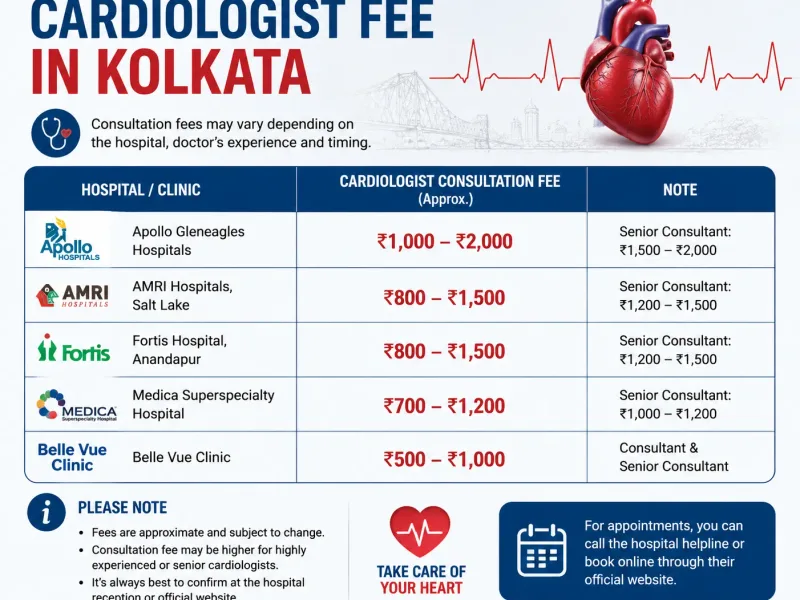
Learn about cardiologist fee in Kolkata, consultation charges, factors affecting costs, and tips to choose the right heart specialist.
May 29, 2026
A simple guide to the best shortness of breath specialist in Kolkata, including causes, symptoms, treatment options, and expert medical advice.
May 29, 2026

Find the best chest pain doctor in Kolkata. Learn causes, symptoms, tests, and treatment options from top heart specialists in simple English.
May 29, 2026