

Emergency & Help
24/7 Emergency & General Advisory
🚨 24/7 Medical Emergency
Non-Emergency Advisory
10:00 AM – 6:00 PM, Mon–Sat
For appointments & general queries.
24/7 Emergency & General Advisory
🚨 24/7 Medical Emergency
Non-Emergency Advisory
10:00 AM – 6:00 PM, Mon–Sat
For appointments & general queries.
Learn all about the DOT physical required for commercial drivers in India. Understand the exam, preparation, requirements, and what to expect.

If you're looking to drive a commercial vehicle in India, or if you already do, you've likely heard about the DOT physical. This isn't just another check-up; it's a specific examination mandated by the Department of Transportation (DOT) to ensure you're physically and mentally fit to handle the demanding job of operating large vehicles. Safety is paramount, not just for you but for everyone on the road, and the DOT physical plays a vital role in upholding these standards. This comprehensive guide will break down everything you need to know about the DOT physical. We'll cover what it is, why it's required, what the examination entails, how to prepare, and what common health conditions might affect your ability to pass. Our aim is to provide clear, practical information tailored for Indian drivers, helping you navigate this process with confidence. What Exactly is a DOT Physical? A DOT physical is a medical examination required for individuals who operate commercial motor vehicles (CMVs). The Federal Motor Carrier Safety Administration (FMCSA) in India, much like its counterparts globally, sets these standards to guarantee that drivers can safely perform their duties. The exam assesses your overall health to ensure you can manage the physical and mental stresses associated with long hours of driving, exposure to various environmental conditions, and the responsibility of handling heavy machinery. The primary goal is to prevent accidents caused by medical conditions that could impair a driver's ability to operate a vehicle safely. This includes issues that might lead to sudden incapacitation, reduced reaction time, or poor decision-making on the road. Who Needs a DOT Physical? A DOT physical is mandatory for drivers who: Operate vehicles designed to transport 15 or more passengers. Operate vehicles with a gross combination weight rating of over 10,000 pounds. Transport hazardous materials that require their vehicles to display a specific placard. Are paid to operate motor vehicles that carry more than eight people. Essentially, if your job involves driving large trucks, buses, or vehicles carrying significant loads or passengers, you'll need to pass this examination. What Does a DOT Physical Involve? The examination is thorough and covers various aspects of your health. A certified medical examiner, listed in the FMCSA National Registry, will conduct the physical. Here’s a breakdown of what you can expect: Medical Health History You’ll start by filling out a detailed medical history form. Be prepared to provide comprehensive information about: Your past and present medical conditions. Any surgeries you’ve had. Medications you are currently taking, including dosages. Allergies. Your history of alcohol, tobacco, and other substance use. Any symptoms you are currently experiencing. Honesty and accuracy are vital here. The examiner needs a clear picture of your health to make an informed decision. Physical Examination The examiner will conduct a complete physical check-up, which includes: Vision Test: This checks your ability to see clearly, both with and without corrective lenses. You'll typically need to read a standard eye chart from a specific distance. The requirement is usually 20/40 vision in each eye or both eyes together. Hearing Test: You'll be tested for your ability to hear normal conversational tones. This is often done using a simple screening test. Blood Pressure and Pulse Check: Your blood pressure and heart rate will be measured to ensure they fall within acceptable limits. General Appearance: The examiner observes your overall physical condition. Abdomen Examination: This checks for any abnormalities or hernias. Lungs and Chest: Listening to your breathing and checking for any issues. Limbs: Checking for any restrictions in movement, swelling, or deformities. Neurological: Basic tests to assess your reflexes and coordination. Mouth and Throat: Checking for any issues that might affect breathing or sleep. Urinalysis A urine sample is collected. This test helps detect: Signs of kidney disease. Diabetes (by checking blood sugar levels). Other health indicators. The urinalysis also serves as a drug test. Other Potential Tests Depending on your health history and the examiner's assessment, you might also undergo: Blood Tests: To check cholesterol levels, blood sugar, and other markers. Electrocardiogram (ECG/EKG): To assess your heart's electrical activity, especially if you have a history of heart problems. The goal of all these tests is to determine if you have any medical condition that could compromise your ability to drive safely. Preparing for Your DOT Physical Proper preparation can make the process smoother and increase your chances of passing. Here’s how you can get ready: Gather Your Medical Records: If you have pre-existing conditions (like diabetes, high blood pressure, heart disease, or sleep apnea), bring detailed medical records from your treating physician. Include reports, test results, and current treatment plans. List Your Medications: Have a complete list of all medications you take, including dosages. Bring the actual medication bottles if possible. Bring Your Glasses/Contacts and Hearing Aids: If you use corrective lenses or hearing aids, make sure to bring them. You'll need them for the vision and hearing tests. Stay Hydrated: Drink plenty of water before your appointment, especially if you need to provide a urine sample. Avoid Certain Substances: Refrain from consuming alcohol or tobacco for at least 24 hours before the exam. Get Enough Sleep: Try to get a good night's sleep beforehand to ensure you're well-rested. Fill Out the Form in Advance: Download and fill out the medical examination report form before your appointment. This saves time and reduces stress on the day of the exam. You can find the official form on the FMCSA website or ask your examiner. Wear Comfortable Clothing: You'll be asked to undress to your undergarments for parts of the exam, so comfortable clothing makes the process easier. What Can Disqualify You from Passing? Several medical conditions can lead to disqualification, either temporarily or permanently. These are assessed to ensure safety on the road: Vision Impairment: Failing to meet the required visual acuity standards. Hearing Loss: Inability to hear a whispered voice at a specific distance. Uncontrolled High Blood Pressure: Blood pressure consistently above 140/90 mmHg. Diabetes: Uncontrolled diabetes, particularly if it requires insulin and leads to significant blood sugar fluctuations. Heart Conditions: History of heart attack, heart failure, or other serious cardiovascular issues that could cause sudden incapacitation. Epilepsy and Seizure Disorders: A history of seizures can be disqualifying. Mental Health Conditions: Certain severe mental health conditions that could impair judgment or driving ability. Substance Abuse: Current or recent history of alcohol or drug abuse. Medical-Critical Medications: Use of medications that can cause drowsiness or impair driving. It's important to remember that many conditions are manageable. If you have a condition like well-controlled diabetes or high blood pressure, you might still pass, but you may need more frequent re-examinations. Understanding Medical Certificates and Re-examinations Upon successfully passing the DOT physical, you'll receive a medical examiner's certificate. This certificate is typically valid for two years. However, this validity period can be shorter if you have a medical condition that requires closer monitoring. For example, if you have a condition like very high blood pressure that's being treated, you might need to undergo a DOT physical every three months to ensure it remains under control. Similarly, drivers with diabetes or high blood pressure might be required to have an annual physical instead of one every two years. Regular medical check-ups with your primary doctor are essential to manage any underlying health issues and ensure you remain compliant with DOT regulations. When to Consult a Doctor Before Your DOT Physical If you have any of the following conditions, it’s wise to speak with your regular doctor well before your scheduled DOT physical: High Blood Pressure: If your blood pressure is often elevated, work with your doctor to manage it effectively. Diabetes: Ensure your blood sugar levels are stable and under control, and understand your insulin regimen if applicable. Heart Conditions: Discuss any cardiac issues with your cardiologist and have updated medical reports. Sleep Apnea: If you use a CPAP machine, bring documentation of your treatment and compliance. Vision or Hearing Problems: Consult your eye doctor or audiologist to get the best possible correction. Mental Health Concerns: Seek treatment and stability for any significant mental health issues. Proactively managing these conditions will not only help you pass the DOT physical but also contribute to your overall health and well-being. Finding a Certified Medical Examiner Not just any doctor can perform a DOT physical. The examiner must be certified and listed on the FMCSA National Registry. You can find a certified medical examiner in your area by using the official FMCSA registry search tool on their website. Many clinics and hospitals also have designated examiners for these specific exams. A Real-Life Scenario Consider Ramesh, a truck driver for the past 15 years. He’s due for his DOT physical. He knows his blood pressure has been borderline high lately, and he sometimes feels tired, suspecting it might be sleep apnea. Instead of waiting for the exam, Ramesh schedules an appointment with his general physician. His doctor adjusts his blood pressure medication and refers him for a sleep study. After
In summary, timely diagnosis, evidence-based treatment, and prevention-focused care improve long-term health outcomes.
Visit Hospital
Near You
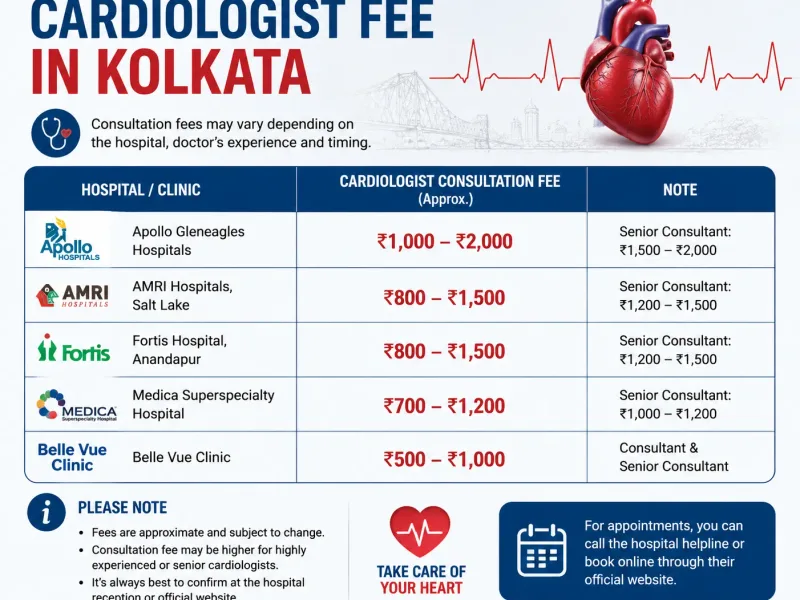
Learn about cardiologist fee in Kolkata, consultation charges, factors affecting costs, and tips to choose the right heart specialist.
May 29, 2026
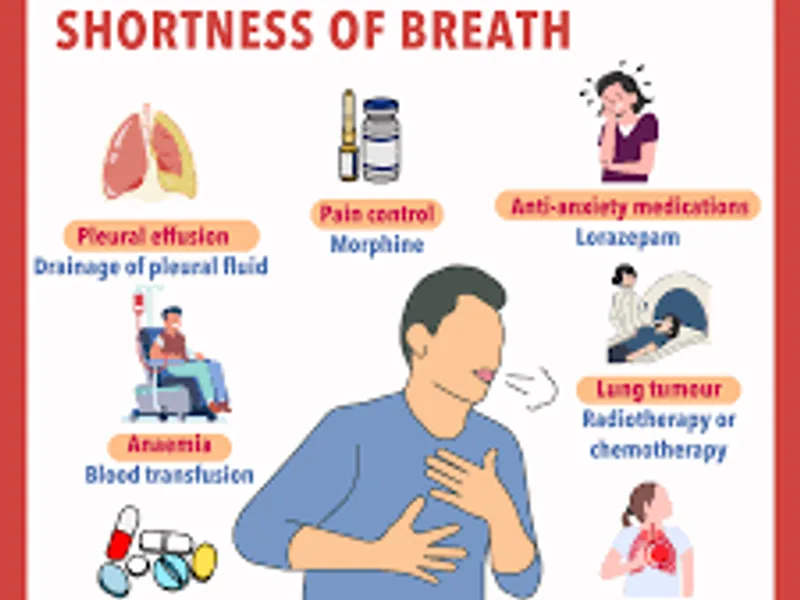
A simple guide to the best shortness of breath specialist in Kolkata, including causes, symptoms, treatment options, and expert medical advice.
May 29, 2026

Find the best chest pain doctor in Kolkata. Learn causes, symptoms, tests, and treatment options from top heart specialists in simple English.
May 29, 2026