

Emergency & Help
24/7 Emergency & General Advisory
🚨 24/7 Medical Emergency
Non-Emergency Advisory
10:00 AM – 6:00 PM, Mon–Sat
For appointments & general queries.
24/7 Emergency & General Advisory
🚨 24/7 Medical Emergency
Non-Emergency Advisory
10:00 AM – 6:00 PM, Mon–Sat
For appointments & general queries.
Discover common eczema triggers and how to identify what's making your eczema worse. Learn expert tips on managing flare-ups, prevention strategies, and when to seek medical help for clearer, more comfortable skin. An essential guide for anyone living with eczema.

Eczema, also known as atopic dermatitis, is a chronic inflammatory skin condition characterized by red, itchy, and inflamed patches of skin. While there's no cure for eczema, managing its symptoms and preventing flare-ups is crucial for improving quality of life. Many individuals with eczema often find themselves asking, "What's making my eczema worse?" Identifying and avoiding your specific triggers is a cornerstone of effective eczema management. This expert guide will delve into common culprits behind eczema flare-ups and provide strategies for better control.
Eczema is a complex condition influenced by genetics, environmental factors, and immune system dysfunction. It typically involves a compromised skin barrier, making the skin more susceptible to irritants, allergens, and moisture loss. This leads to a vicious cycle of dryness, itching, and scratching, which further damages the skin barrier and perpetuates inflammation.
Identifying what makes your eczema worse is a personalized journey. What triggers one person's flare-up may not affect another. Keeping a detailed log of your symptoms and potential exposures can be incredibly helpful. Here are some common categories of eczema triggers:
Substances that directly irritate the skin can cause a flare-up without involving an allergic reaction.
Exposure to substances that the immune system mistakenly identifies as harmful can lead to an allergic reaction and eczema flare-up. These can be identified through patch testing or blood tests.
Stress doesn't cause eczema, but it can significantly worsen symptoms. Emotional stress triggers the release of hormones like cortisol, which can impair skin barrier function and amplify inflammation, leading to more intense itching and scratching.
Bacterial, viral, or fungal infections can complicate eczema and lead to severe flare-ups. The compromised skin barrier makes individuals with eczema more susceptible to infections, particularly from Staphylococcus aureus bacteria.
Fluctuations in hormones, such as during menstruation, pregnancy, or menopause, can affect eczema severity in some women.
A dermatologist or healthcare provider typically diagnoses eczema based on a physical examination of the skin and a review of medical history. There isn't a single test for eczema. To identify triggers, your doctor may suggest:
Once triggers are identified, a comprehensive treatment plan can be developed. Treatment aims to reduce inflammation, relieve itching, prevent infections, and repair the skin barrier.
Controlled exposure to ultraviolet (UV) light can help reduce inflammation and itching, typically administered in a clinic setting.
Injectable medications (e.g., dupilumab) that target specific immune pathways involved in eczema. These are typically reserved for moderate to severe cases that haven't responded to other treatments.
Prevention is key to minimizing flare-ups and maintaining healthy skin.
It's important to consult a healthcare professional, especially a dermatologist, if:
A: While food allergies are more common in children with eczema, they can sometimes trigger flare-ups in adults. Common culprits include dairy, eggs, peanuts, soy, and wheat. It's crucial to consult a doctor before eliminating food groups, as this could lead to nutritional deficiencies. A supervised elimination diet or allergy testing can help determine if food is a trigger for you.
A: No, eczema is not contagious. You cannot catch eczema from another person, nor can you spread it to others. It's an internal condition related to genetics, immune function, and environmental factors.
A: Signs of an infected eczema patch include increased redness, warmth, swelling, pain, pus or yellow crusting, and sometimes fever. If you notice these symptoms, it's important to see a doctor immediately, as you may need antibiotics or antiviral medication.
A: Stress does not cause eczema, but it is a well-known trigger for flare-ups or can worsen existing symptoms. High stress levels can activate the immune system and increase inflammation, leading to more intense itching and scratching. Managing stress through relaxation techniques can be an important part of eczema care.
A: The best moisturizers are thick, emollient-rich creams or ointments that are fragrance-free, dye-free, and hypoallergenic. Look for products specifically designed for sensitive or eczema-prone skin. Ingredients like ceramides, hyaluronic acid, and colloidal oatmeal can be particularly beneficial for repairing the skin barrier and retaining moisture.
Living with eczema can be challenging, but understanding your triggers is a powerful step towards regaining control. By working closely with your healthcare provider, adopting a consistent skin care routine, and diligently avoiding identified irritants and allergens, you can significantly reduce the frequency and severity of flare-ups. Remember, patience and persistence are key on the journey to clearer, more comfortable skin. Don't hesitate to seek expert advice if you're struggling to manage your symptoms.
This article provides general medical information based on current understanding of eczema and its management. For personalized diagnosis and treatment, always consult with a qualified healthcare professional, such as a dermatologist. Information cited aligns with guidelines from organizations like the American Academy of Dermatology and the National Eczema Association.
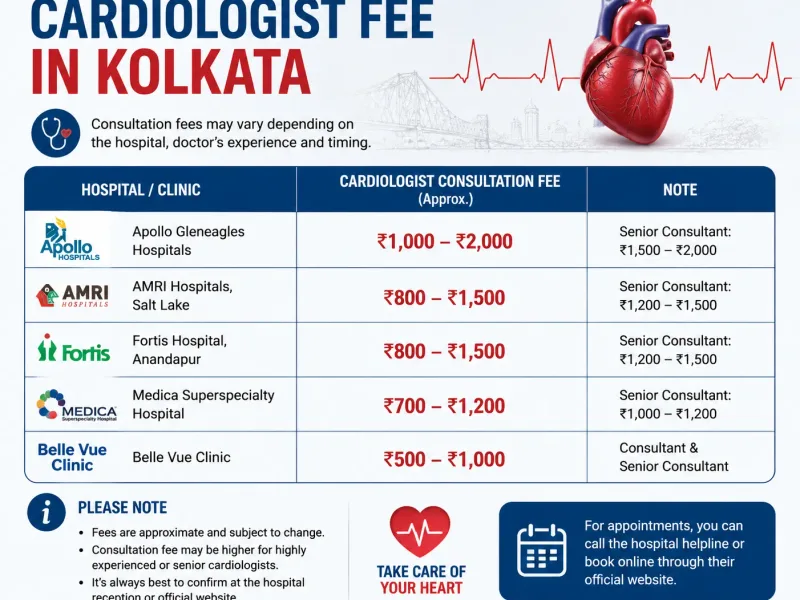
Learn about cardiologist fee in Kolkata, consultation charges, factors affecting costs, and tips to choose the right heart specialist.
May 29, 2026
A simple guide to the best shortness of breath specialist in Kolkata, including causes, symptoms, treatment options, and expert medical advice.
May 29, 2026

Find the best chest pain doctor in Kolkata. Learn causes, symptoms, tests, and treatment options from top heart specialists in simple English.
May 29, 2026