

Emergency & Help
24/7 Emergency & General Advisory
🚨 24/7 Medical Emergency
Non-Emergency Advisory
10:00 AM – 6:00 PM, Mon–Sat
For appointments & general queries.
24/7 Emergency & General Advisory
🚨 24/7 Medical Emergency
Non-Emergency Advisory
10:00 AM – 6:00 PM, Mon–Sat
For appointments & general queries.
Learn why your doctor might refer you to a neurologist for conditions affecting your brain, spinal cord, and nerves, including headaches, seizures, and more.
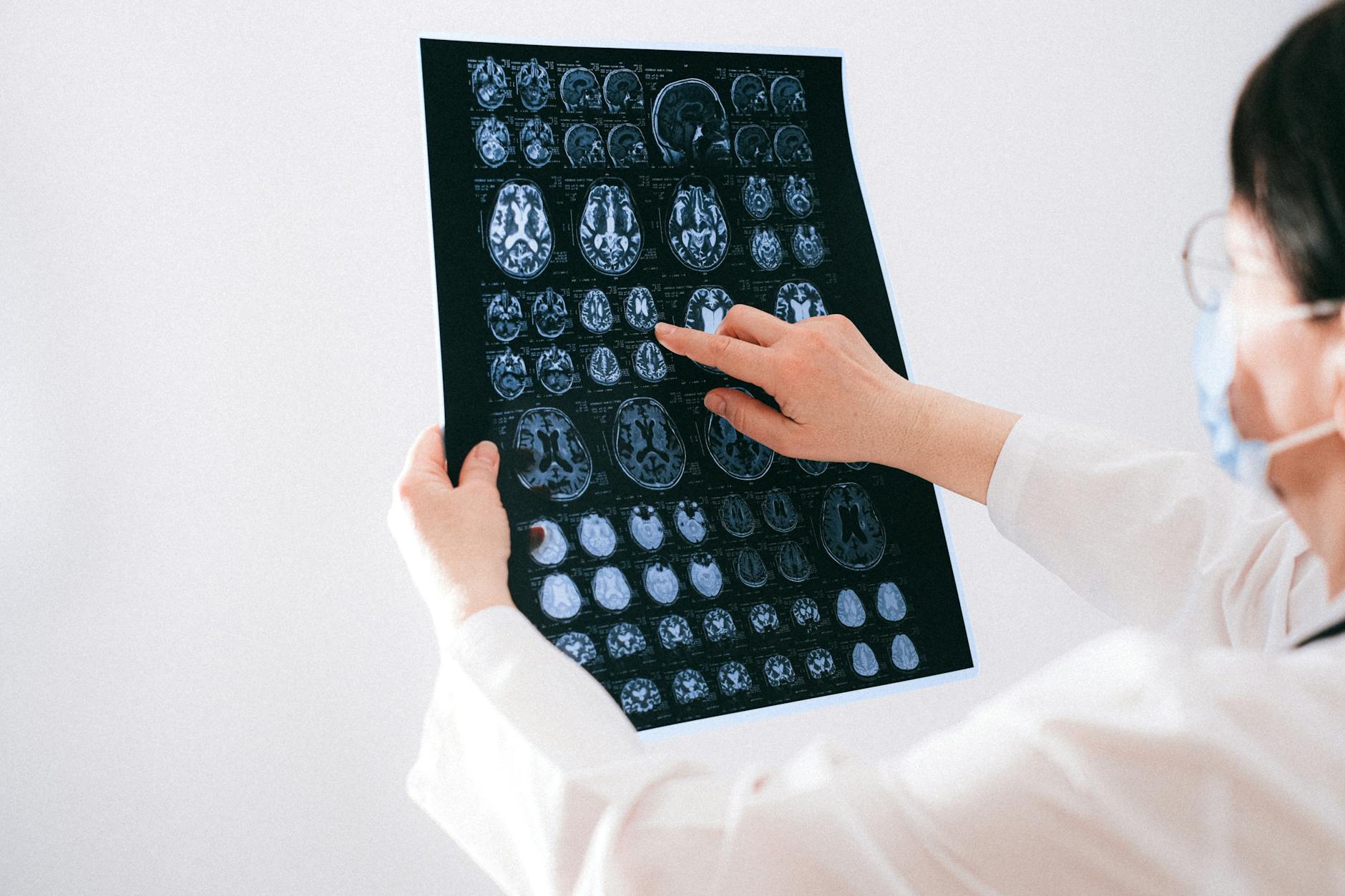
Ever felt a strange tingle, a persistent headache, or a sudden dizziness that just wouldn't go away? These seemingly small issues can sometimes point to something bigger happening within your body's most complex system: the nervous system. Your nervous system, a sophisticated network of nerves, your brain, and your spinal cord, controls everything you do, think, and feel. When this intricate system encounters a problem, it can manifest in a wide range of symptoms, some subtle, others quite dramatic.
Most of the time, your trusted family doctor or general physician (GP) can handle a variety of health concerns, from a common cold to managing chronic conditions like high blood pressure. They are your first line of defence, your go-to for everyday health. However, some health issues are simply too complex for a generalist. They require a specialist's keen eye and deep knowledge. When it comes to problems affecting your brain, spinal cord, or nerves, that specialist is a neurologist.
Think of your GP as the skilled captain of a ship, navigating the vast ocean of general health. When the ship encounters a particularly turbulent storm or needs highly specialized repairs on its complex engine, the captain calls in an expert – the navigator or the chief engineer. In the medical world, the neurologist is that expert for your nervous system.
A neurologist is a medical doctor who has undergone extensive additional training specifically focused on diagnosing and treating disorders of the nervous system. This includes conditions that affect:
Neurologists are trained to identify the root cause of symptoms that might seem unrelated. They perform specialized tests and interpret complex results to piece together the puzzle of neurological conditions. Their goal is to provide an accurate diagnosis, develop an effective treatment plan, and help manage chronic conditions to improve your quality of life.
Your GP might suggest a visit to a neurologist for a variety of reasons. Often, it's because your symptoms are persistent, severe, or unusual, and they fall outside the scope of general medicine. Here are some common scenarios and conditions that might prompt a referral:
We all get headaches from time to time. A tension headache after a stressful day or a mild headache from dehydration is usually nothing to worry about. However, if you experience headaches multiple times a week, if the pain is debilitating, or if your headaches have changed in character or intensity, your doctor will likely want to investigate further. Migraines, a type of severe headache often accompanied by nausea, vomiting, and sensitivity to light and sound, are a prime reason to see a neurologist. They can help identify triggers, manage pain, and prescribe preventive medications. Even cluster headaches or headaches that appear suddenly and severely need expert evaluation.
Any episode involving uncontrolled shaking, loss of consciousness, or unusual sensations that might indicate a seizure warrants immediate medical attention and likely a referral to a neurologist. Epilepsy is a neurological disorder characterized by recurrent seizures. A neurologist can diagnose epilepsy, determine the type of seizures you are experiencing, and manage the condition with anti-seizure medications.
A stroke is a medical emergency where blood flow to the brain is interrupted, causing brain cells to die. Symptoms can include sudden numbness or weakness, confusion, trouble speaking, vision problems, or severe headache. A TIA, often called a
This section adds practical context and preventive advice to help readers make informed healthcare decisions. It is important to verify symptoms early, consult qualified doctors, and avoid self-medication for persistent health issues.
Maintaining healthy routines, following prescribed treatment plans, and attending regular checkups can improve outcomes. If symptoms worsen or red-flag signs appear, immediate medical evaluation is recommended.
Track symptoms and duration.
Follow diagnosis and treatment from a licensed practitioner.
Review medication side effects with your doctor.
Seek urgent care for severe warning signs.
Visit Hospital
Near You
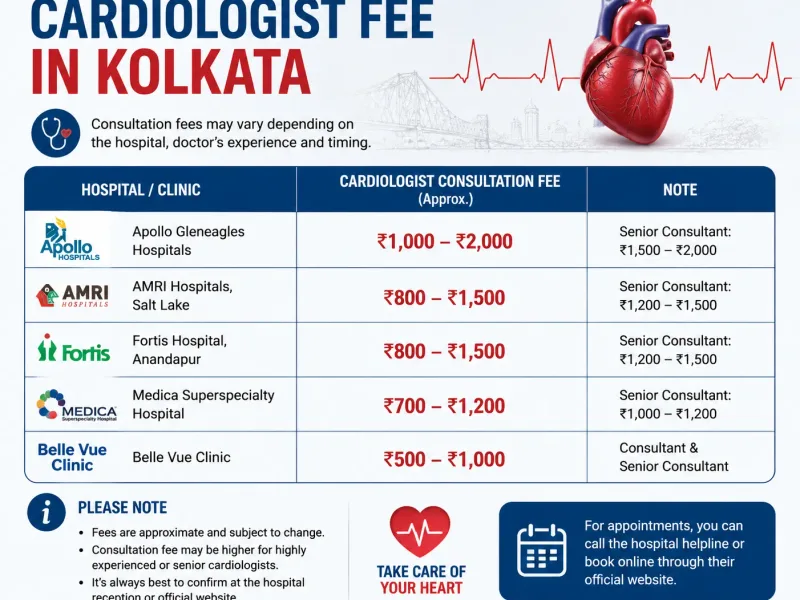
Learn about cardiologist fee in Kolkata, consultation charges, factors affecting costs, and tips to choose the right heart specialist.
May 29, 2026
A simple guide to the best shortness of breath specialist in Kolkata, including causes, symptoms, treatment options, and expert medical advice.
May 29, 2026

Find the best chest pain doctor in Kolkata. Learn causes, symptoms, tests, and treatment options from top heart specialists in simple English.
May 29, 2026