

Emergency & Help
24/7 Emergency & General Advisory
🚨 24/7 Medical Emergency
Non-Emergency Advisory
10:00 AM – 6:00 PM, Mon–Sat
For appointments & general queries.
24/7 Emergency & General Advisory
🚨 24/7 Medical Emergency
Non-Emergency Advisory
10:00 AM – 6:00 PM, Mon–Sat
For appointments & general queries.
Learn if Medicare covers medical alert systems like Life Alert. Discover how Medicare Advantage plans might offer discounts or coverage and explore other assistance options.

For many seniors and individuals with health concerns, a medical alert system offers invaluable peace of mind. Devices like Life Alert, designed to summon help quickly in emergencies, can be a lifeline. However, a common question arises: Does Medicare cover the costs associated with these essential safety tools? Understanding Medicare's stance on personal emergency response systems (PERS) is key to making informed decisions about your healthcare and safety.
Let's start with the basics. Original Medicare, which includes Part A (Hospital Insurance) and Part B (Medical Insurance), generally does not cover the cost of medical alert systems like Life Alert. Medicare's coverage is typically limited to services and equipment that are deemed 'medically necessary.' This means the service or device must be ordered by a healthcare professional to diagnose, treat, or prevent an illness or condition.
According to Medicare's guidelines, personal emergency response systems are not usually considered medically necessary. While these systems are incredibly useful for fall detection and summoning help during a medical event, they don't fit the strict definition of medical necessity that Original Medicare uses for coverage. This means if you only have Original Medicare, you will likely need to pay for a medical alert system out-of-pocket.
Here's where things get more interesting. Medicare Part C, commonly known as Medicare Advantage, is an alternative way to receive your Medicare benefits. These plans are offered by private insurance companies approved by Medicare. A significant difference is that Medicare Advantage plans often include additional benefits beyond what Original Medicare offers. These extra benefits can sometimes include coverage or discounts for services like medical alert systems.
It's crucial to understand that coverage varies greatly between different Medicare Advantage plans. Not all plans offer these benefits, and those that do may have different terms, conditions, and levels of coverage. Some plans might offer a full discount on the monthly service fee, while others may provide a partial discount or cover only certain aspects of the service. Some plans might even offer these systems for free as a supplemental benefit.
Sarah, an 80-year-old widow living alone, recently had a fall at home. Thankfully, her neighbor found her quickly. Concerned about future incidents, Sarah wanted a medical alert system. Her son, who helps manage her healthcare, checked her Original Medicare. He found that it wouldn't cover the monthly fees. However, Sarah's Medicare Advantage plan offered a significant discount on Lifeline services, reducing her monthly cost by half. This made the safety device affordable and gave both Sarah and her son much-needed peace of mind.
While coverage is not guaranteed and varies, several major Medicare Advantage providers have partnered with medical alert companies to offer benefits to their members. These partnerships often result in discounts rather than full coverage.
Important Note: Benefit offerings can change annually. For instance, some Humana plans that previously offered similar benefits might now offer a discount through a partnership with Lifeline instead of direct coverage. Always verify the current benefits directly with your insurer.
If you are dually eligible for both Medicare and Medicaid, you might find coverage through specific programs. Home and Community-Based Services (HCBS) programs can sometimes include coverage for PERS. The Program of All-Inclusive Care for the Elderly (PACE) is one such HCBS program that often covers medical alert systems.
Additionally, other resources might help with the cost:
The out-of-pocket cost for a medical alert system depends on several factors:
Typically, these systems involve:
It's always best to have an open conversation with your doctor about your safety needs. They can assess your situation and recommend whether a medical alert system is appropriate for you. They can also provide documentation if a system is deemed medically necessary, although this typically doesn't change Original Medicare's coverage rules for PERS.
Equally important is to contact your Medicare Advantage insurance provider directly. Don't rely solely on website information. Call their customer service line and ask specific questions about their coverage for personal emergency response systems. Ask about which providers are covered, what the costs will be for you, and what steps you need to take to get the benefit.
A: No, Original Medicare (Part A and Part B) generally does not cover the costs of Life Alert or other similar personal emergency response systems, as they are typically not considered medically necessary.
A: Yes, it is possible. Many Medicare Advantage (Part C) plans offer discounts or sometimes even full coverage for medical alert systems as a supplemental benefit. However, this varies widely by plan.
A: You should contact your specific Medicare Advantage insurance provider directly. Review your plan documents or call their member services line to inquire about coverage for personal emergency response systems (PERS).
A: Yes. If you have Medicaid, long-term care insurance, are a veteran, or are an AARP member, you may qualify for discounts or coverage through specific programs or partnerships.
A: Costs vary, but typically include a one-time setup fee and a monthly monitoring fee. Without insurance coverage or discounts, you might expect to pay anywhere from $30 to $60 or more per month, plus any initial setup charges.
Visit Hospital
Near You
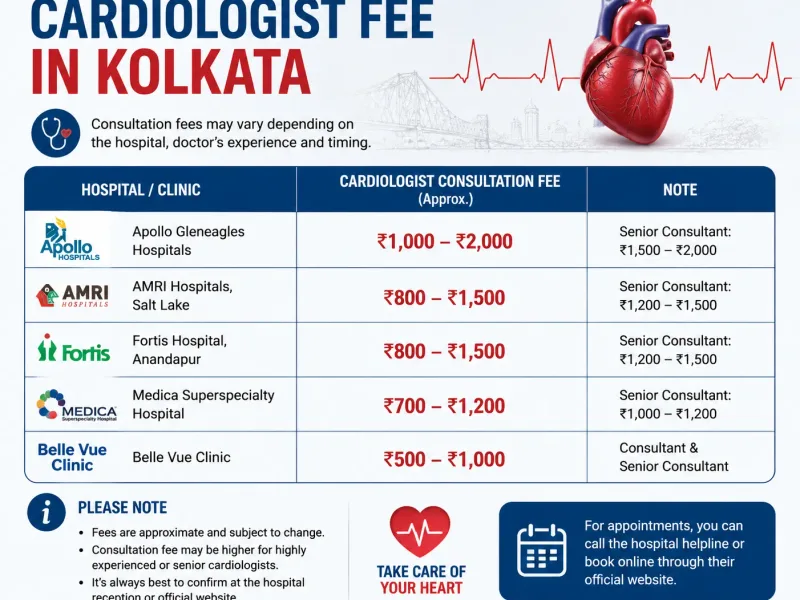
Learn about cardiologist fee in Kolkata, consultation charges, factors affecting costs, and tips to choose the right heart specialist.
May 29, 2026
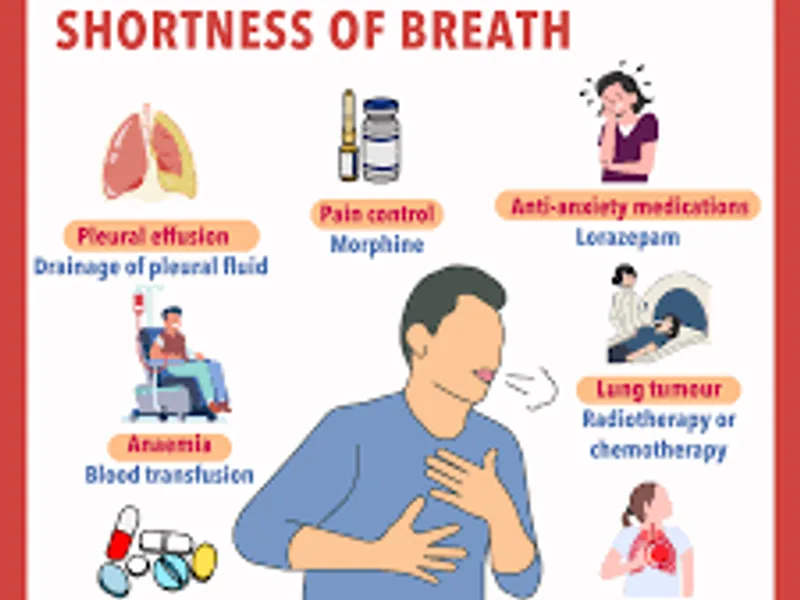
A simple guide to the best shortness of breath specialist in Kolkata, including causes, symptoms, treatment options, and expert medical advice.
May 29, 2026

Find the best chest pain doctor in Kolkata. Learn causes, symptoms, tests, and treatment options from top heart specialists in simple English.
May 29, 2026