

Emergency & Help
24/7 Emergency & General Advisory
🚨 24/7 Medical Emergency
Non-Emergency Advisory
10:00 AM – 6:00 PM, Mon–Sat
For appointments & general queries.
24/7 Emergency & General Advisory
🚨 24/7 Medical Emergency
Non-Emergency Advisory
10:00 AM – 6:00 PM, Mon–Sat
For appointments & general queries.
Your guide to asking the right questions during your first cardiologist visit, covering heart attack causes, medications, lifestyle changes, and emergency preparedness.

Facing a first visit to a cardiologist can feel daunting, especially if you've recently experienced a heart attack or are managing a known heart condition. It's a critical step towards understanding your health better and ensuring you receive the right care. This guide is designed to empower you, offering a clear roadmap of essential questions to ask your cardiologist. Remember, your heart health is a journey, and informed conversations are your compass.
The first and perhaps most pressing question is about the 'why'. If a heart attack prompted this visit, understanding its specific cause is paramount. Was it a sudden blockage? A gradual buildup of plaque? Your cardiologist will review your medical history, recent tests (like blood work and imaging), and lifestyle factors to pinpoint the cause. This knowledge is the foundation for an effective treatment plan.
Medications are often a cornerstone of heart disease management. For many, treatment is a lifelong commitment. Your cardiologist will prescribe medications to manage factors like blood pressure, cholesterol, or to prevent blood clots. It's vital to understand what you're taking, why you're taking it, and for how long.
Don't hesitate to ask about potential side effects and what to do if you experience them. Your dosage or medication type might change over time as your condition evolves or improves, so regular follow-ups are essential.
After a cardiac event or diagnosis, the desire to return to normal activities is strong. However, it's crucial to do so safely. Your cardiologist will guide you on when and how to gradually reintroduce physical activity and daily routines.
Expect advice on pacing yourself – starting with shorter periods of activity and incorporating rest. Pay close attention to any signs of fatigue or weakness, and stop immediately if you experience them. Your recovery is a marathon, not a sprint.
What you eat directly impacts your heart health. A heart-healthy diet is as vital as your prescribed medications. Your cardiologist will likely recommend a diet rich in vegetables, lean proteins, whole grains, and healthy fats. This helps manage cholesterol, blood pressure, and overall cardiovascular risk.
Consider adopting principles of the Mediterranean diet, known for its heart benefits. If you have specific dietary restrictions or preferences, discuss them openly. A personalized plan ensures you can nourish your body effectively while supporting your heart.
While medications and lifestyle changes are often the first line of defense, sometimes more significant interventions are necessary. Surgery might be recommended for severe blockages or valve issues. This could range from angioplasty and stenting to more complex procedures like bypass surgery or valve replacement.
Understand that surgery is often a last resort when the heart is significantly diseased or damaged. Even if surgery is part of your plan, adhering to medication and diet recommendations remains essential for long-term success.
Knowledge is power when it comes to managing health risks. Untreated or ineffectively treated conditions can lead to complications. It's important to discuss your specific risks with your cardiologist.
This includes the risk of future cardiac events, potential complications arising from your condition, and what steps you can take to mitigate these risks. Open communication ensures you are fully aware and prepared.
Beyond medical treatments, consider how you can proactively enhance your overall quality of life. This involves managing stress, maintaining social connections, and engaging in activities that bring you joy.
Your cardiologist can offer guidance on how to integrate these aspects into your recovery and long-term health plan. Remember, a healthy heart contributes to a healthier, more fulfilling life.
It's essential to be prepared for emergencies. Knowing what to do if you suspect you are having another heart attack can save precious time and potentially your life.
While regular follow-ups are scheduled, certain symptoms warrant immediate medical attention. Don't hesitate to contact your doctor or seek emergency care if you experience:
The frequency of visits depends on your specific condition and recovery progress. Initially, you might see your cardiologist every few weeks or months. As you stabilize, appointments may become less frequent, perhaps every six months or annually. Always follow your doctor's specific recommendations.
Absolutely! While you may need to make some adjustments, an active social life is important for mental and emotional well-being, which in turn supports heart health. Discuss any concerns about specific activities with your cardiologist.
Common symptoms include chest pain or discomfort (pressure, squeezing, fullness), pain or discomfort in one or both arms, the jaw, neck, or stomach, shortness of breath, cold sweat, nausea, and lightheadedness. Women may experience symptoms differently, sometimes with less obvious chest pain and more fatigue or indigestion-like symptoms. If you suspect a heart attack, call for emergency medical help immediately.
Remember: This guide is a starting point. Prepare your questions, take notes during your appointment, and don't be afraid to ask for clarification. Your cardiologist is your partner in managing your heart health. Take an active role in your care!
Visit Hospital
Near You
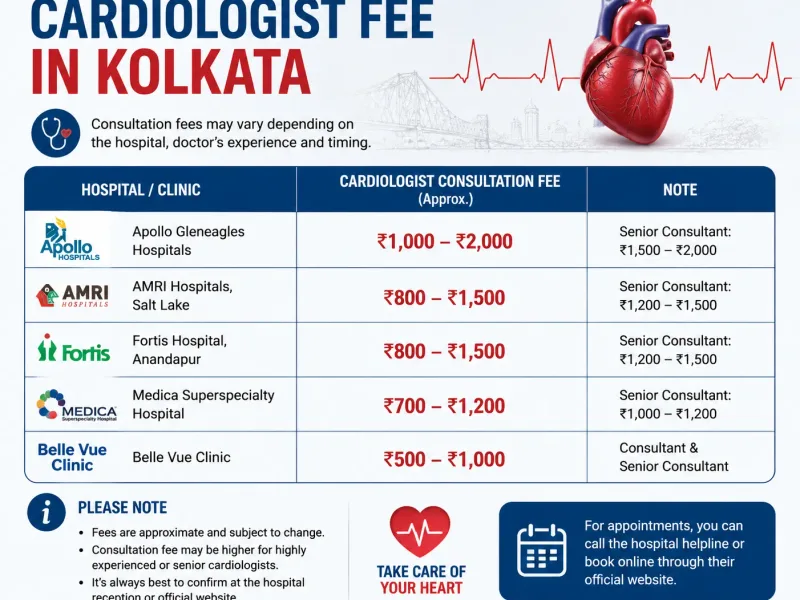
Learn about cardiologist fee in Kolkata, consultation charges, factors affecting costs, and tips to choose the right heart specialist.
May 29, 2026
A simple guide to the best shortness of breath specialist in Kolkata, including causes, symptoms, treatment options, and expert medical advice.
May 29, 2026

Find the best chest pain doctor in Kolkata. Learn causes, symptoms, tests, and treatment options from top heart specialists in simple English.
May 29, 2026