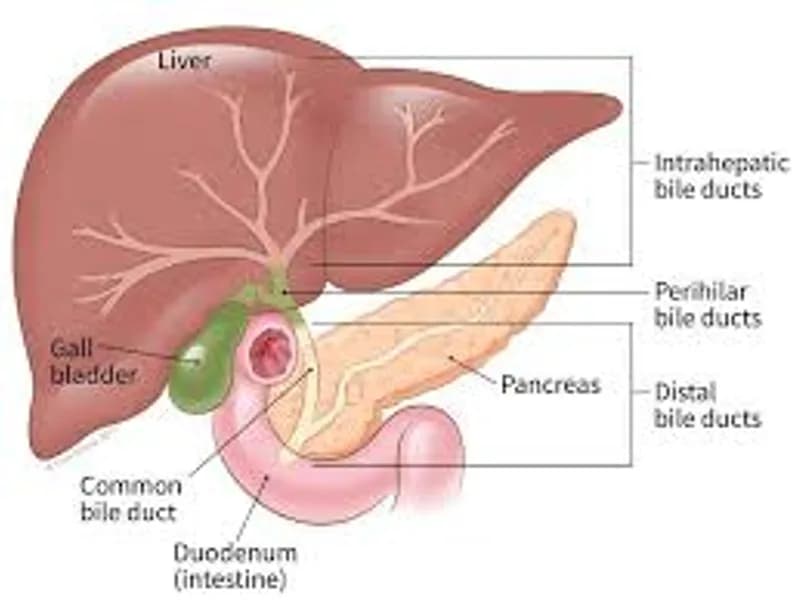
The bile duct network acts as the primary drainage system of the liver and gallbladder, transporting vital digestive fluids into the small intestine. When stones, strictures, or inflammation compromise these narrow pathways, finding the best bile duct doctor in Kolkata becomes essential to restore healthy function and protect liver health.
Biliary conditions are complex and require advanced clinical oversight rather than standard medical management. Consulting a qualified hepatobiliary specialist early ensures that blockages are cleared efficiently, protecting you from severe systemic toxins and progressive infections.
Recognizing Symptoms of a Bile Duct Problem
A blockage along the biliary tree causes digestive fluids to back up directly into the bloodstream and liver tissues. Recognizing these physical indicators early allows families to secure specialized clinical help before severe toxicities occur.
Progressive Jaundice: A distinct and highly noticeable yellowing of the skin and the whites of the eyes caused by a buildup of bilirubin.
Changes in Bodily Wastes: Noticing abnormally dark, tea-colored urine alongside pale, clay-colored stools due to a lack of bile reaching the intestines.
Intense Biliary Pain: Experiencing continuous, sharp pain in the upper right section of the abdomen that can radiate through to the back or shoulder blades.
Systemic Signs of Infection: High fever accompanied by sudden chills, unexplained nausea, persistent vomiting, and severe, unyielding skin itching (pruritus).
Common Bile Duct Conditions Evaluated by Experts
Bile duct disorders can stem from mechanical obstructions, chronic structural inflammation, or abnormal cell growth. Identifying the specific disease allows your medical team to construct a highly target-specific care protocol.
Choledocholithiasis (Bile Duct Stones): Gallstones that have slipped out of the gallbladder and become tightly lodged inside the common bile duct.
Biliary Strictures: An abnormal narrowing of the bile duct walls caused by surgical scars, localized trauma, or chronic underlying pancreatic inflammation.
Choledochal Cysts: Congenital anomalies involving cystic widening of the bile ducts that require regular tracking and eventual surgical remodeling.
Cholangitis: A severe, life-threatening bacterial infection of the biliary tract that typically develops secondary to a chronic structural blockage.
Key Medical Specialists available for Biliary Care
Managing intricate biliary track issues requires a collaborative team of advanced medical professionals. Different sub-specialists step in depending on whether your condition demands non-invasive tracking, endoscopic intervention, or major surgery.
Therapeutic Gastroenterologists: Physicians with advanced fellowship training in interventional endoscopies, specializing in entering the digestive system to clear structural blockages.
Hepatologists: Medical doctors who focus exclusively on the cellular health of the liver, gallbladder, and biliary tree, managing metabolic anomalies.
Surgical Gastroenterologists (HPB Surgeons): Board-certified surgeons specializing in Hepato-Pancreato-Biliary (HPB) oncology and surgery, handling complex reconstructions and tumor removals.
Kolkata houses several premier tertiary care institutions outfitted with advanced fluoroscopy suites, high-definition endoscopic ultrasound (EUS) systems, and specialized liver disease units.
Institute of Neurosciences Kolkata & IPGMER-SSKM Hospital: Highly regarded public and private clinical wings offering top-tier diagnostic panels and specialized biliary care.
CK Birla Hospitals (CMRI), Alipore: Features a robust Gastro Sciences department equipped for emergency biliary clearings and advanced interventional endoscopy.
Apollo Multispecialty Hospitals, E.M. Bypass: Widely trusted for complex hepatobiliary care, offering advanced interventional radiology and multi-disciplinary tumor board evaluations.
Fortis Hospital, Anandapur & Manipal Hospitals: Both facilities host advanced operative suites, offering 24/7 coverage for acute biliary infections, stone extractions, and structural stenting.
Advanced Diagnostic and Therapeutic Treatment Options
A reputable bile duct specialist will avoid clinical guesswork, utilizing sophisticated imaging to view the inner structural pathways of your liver and pancreas before creating a plan.
MRCP (Magnetic Resonance Cholangiopancreatography): A high-resolution, completely non-invasive MRI scan used to map out a clear visual layout of the biliary tree.
ERCP (Endoscopic Retrograde Cholangiopancreatography): An advanced keyhole procedure combining endoscopy and live X-rays to physically remove trapped stones and place supportive stents.
Endoscopic Ultrasound (EUS): Utilizing an ultrasound-tipped scope to capture microscopic images of the bile duct walls and take precise tissue biopsies if required.
Hepaticojejunostomy Surgery: A complex surgical procedure performed by HPB experts to bypass a severe stricture by sewing the bile duct directly to the small intestine.
FAQs:
What is the difference between an ordinary endoscopy and an ERCP? A standard upper endoscopy only visualizes the lining of the esophagus, stomach, and initial part of the intestine. An ERCP is an advanced interventional procedure that uses specialized, longer scopes and dye injections to navigate directly inside the narrow drainage pipes of the liver and pancreas.
Is a bile duct stone dangerous if left untreated? Yes, a trapped bile duct stone is a serious condition. It blocks the normal flow of bile, which can rapidly trigger acute, life-threatening biliary infections (cholangitis) or severe inflammation of the pancreas (pancreatitis).
What is the purpose of placing a bile duct stent? A bile duct stent is a tiny plastic or metal mesh tube placed during an ERCP. It serves to hold a narrowed or compressed section of the duct wide open, allowing bile to flow freely into the intestine and rapidly clearing up jaundice.
Can a person live normally after a bile duct reconstruction surgery? Yes, once a successful structural reconstruction has healed and bile drainage is restored, the liver adapts well. Patients can lead a normal, healthy life by following a balanced, liver-friendly diet and scheduling routine follow-up screenings.
Conclusion:
Bile duct complications require fast, precise, and highly coordinated medical action to prevent long-term liver distress. Finding the best bile duct doctor in Kolkata grants your family access to cutting-edge interventional tools like ERCP and highly accomplished hepatobiliary surgeons. Do not wait for symptoms like jaundice to worsen; consult a clinical expert immediately to protect your long-term health.
Author: Doctar Team
Disclaimer: The information provided in this article is for educational purposes only and should not be treated as a substitute for professional medical advice, diagnosis, or treatment.