

Emergency & Help
24/7 Emergency & General Advisory
🚨 24/7 Medical Emergency
Non-Emergency Advisory
10:00 AM – 6:00 PM, Mon–Sat
For appointments & general queries.
24/7 Emergency & General Advisory
🚨 24/7 Medical Emergency
Non-Emergency Advisory
10:00 AM – 6:00 PM, Mon–Sat
For appointments & general queries.
Learn about orthodontic headgear: its purpose, types, how it works, and what parents and teens need to know about treatment for severe bite and jaw alignment issues.
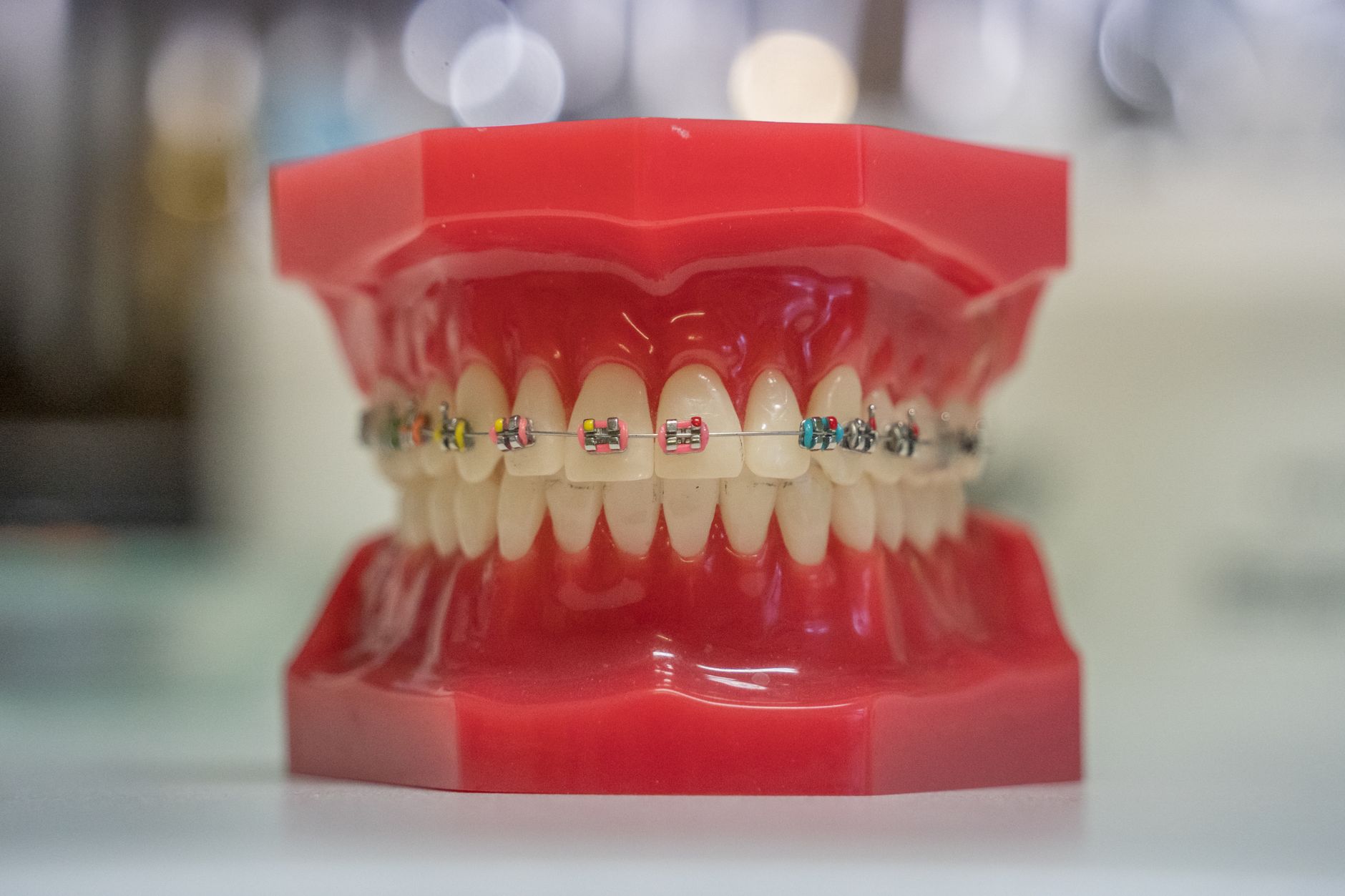
When you notice your child's teeth are not aligning correctly, or their jaw seems to be growing unevenly, the word 'headgear' might come up in conversations with your orthodontist. For many parents and teens, this word conjures images of bulky contraptions and a lengthy treatment process. But what exactly is orthodontic headgear, and why is it sometimes recommended? This guide aims to demystify headgear, explaining its purpose, how it works, and what to expect during treatment, especially for young patients whose jaws are still developing. What is Orthodontic Headgear? Orthodontic headgear is an external appliance used in orthodontics to correct severe misalignments of the bite and support proper jaw growth, particularly in children and adolescents whose jaws are still growing. Unlike braces, which are entirely inside the mouth, headgear has components that extend outside the mouth, often attaching to the head or neck for leverage. Its primary goal is to guide the growth of the jaw and influence the position of teeth, addressing issues that braces alone might not be able to fix. The need for headgear typically arises when there's a significant malocclusion, which is the medical term for a misaligned bite. This means the upper and lower teeth don't fit together as they should, leading to functional and aesthetic problems. Headgear is most effective when used during the crucial growth phases of childhood and adolescence, as it can redirect or limit jaw growth, or encourage it in a specific direction. Why is Headgear Needed? Understanding Malocclusion Malocclusion refers to how your teeth and jaws align. There are three main classes: Class I Malocclusion: The bite is generally normal, but there might be issues like overcrowding or spacing of teeth. Headgear is less commonly used for this. Class II Malocclusion: This is characterized by an overjet, where the upper teeth protrude significantly beyond the lower teeth, or the upper jaw (maxilla) is too far forward. This is often what people picture when they think of 'buck teeth'. Headgear, particularly cervical and high-pull types, is frequently used to correct Class II malocclusions by holding back the forward growth of the upper jaw. Class III Malocclusion: This involves an underbite, where the lower teeth protrude past the upper teeth, or the lower jaw is too large or grows too far forward. Reverse-pull headgear can be used to encourage the upper jaw to grow forward and restrict the lower jaw's forward growth. Headgear can also be employed to correct other issues, such as an open bite (where the front teeth don't meet when the mouth is closed) or significant crowding of teeth. The Components of Headgear While designs vary, most headgear systems share common parts: Head Cap: A fabric cap that fits over the head, providing a stable anchor point for the rest of the apparatus. Straps: These connect the head cap to other parts of the headgear. The type of strap used (e.g., cervical, high-pull) depends on the specific correction needed. Facebow: A U-shaped metal appliance. It has inner arms that fit into outer tubes attached to the braces on the back teeth (molars) inside the mouth, and outer arms that connect to the straps and head cap. Elastic Bands, Tubes, and Hooks: These small but vital components connect the facebow to the braces and provide the necessary force to move teeth and influence jaw growth. Chin Cup, Forehead Pad, and Mouth Yoke: Some types of headgear, particularly those used to correct underbites, may use a chin cup and forehead pad instead of a head cap. A wire frame connects these, housing a mouth yoke. Braces: While many headgear systems attach to braces, not all do. Braces are often worn on the teeth to provide anchor points for the headgear's components. Common Types of Headgear and Their Uses Orthodontists select specific types of headgear based on the patient's unique orthodontic problem: Cervical Pull Headgear: This is one of the most common types. It uses straps that wrap around the back of the neck (cervical vertebrae) and attach to the facebow. It's primarily used to correct Class II malocclusions (overjet or protruding upper teeth) by gently holding back the upper jaw's forward growth. High-Pull Headgear: This type uses straps that attach to the head cap and pull upwards and backwards. It's effective for correcting Class II malocclusions, especially in cases where the upper jaw has excessive vertical growth or an open bite. It can help bring the upper teeth down and back. Reverse-Pull Headgear (Facial Mask): This is designed to treat Class III malocclusions. Instead of pulling back, it applies force to encourage the forward growth of the upper jaw. It typically involves a forehead band and a chin cup connected by a metal frame, with elastics pulling from the frame to braces on the upper teeth. The Treatment Process: What to Expect Wearing headgear can feel like a big adjustment, both for the child and the parents. Here’s what the treatment process usually involves: Fitting and Instructions Your orthodontist will carefully fit the headgear to your child and provide detailed instructions on how to put it on, take it off, and care for it. It's essential to follow these instructions precisely. The orthodontist will also explain the wearing schedule. Wearing Schedule: The Key to Success This is perhaps the most critical aspect of headgear treatment. Consistency is paramount. Headgear is typically prescribed to be worn for a significant number of hours each day, often ranging from 12 to 14 hours daily . This usually includes nighttime wear and time after school. The total duration of treatment can vary widely, from a few months to a couple of years, depending on the severity of the misalignment and the patient's growth response. A common scenario: Imagine Priya, a 10-year-old girl, is fitted with cervical headgear. Her parents are told she needs to wear it for 12 hours daily, including all night and after school until bedtime. Initially, it’s tough. Priya feels self-conscious wearing it at home and finds it uncomfortable to sleep with. Her parents gently encourage her, reminding her of her goal to have a beautiful smile and a comfortable bite. They help her get used to it by making it part of her evening routine, right after homework and before relaxing. Discomfort and Adaptation It's normal for children to experience some discomfort or difficulty adjusting to headgear. Some soreness of the teeth and jaws is expected, especially in the first few days. However, severe pain should be reported to the orthodontist. Most children adapt within a week or two. Maintenance and Care Headgear needs to be kept clean. Your orthodontist will provide instructions on how to clean the appliance, usually with soap and water or a toothbrush. It should be stored safely when not in use to prevent damage or loss. Potential Side Effects and Risks While generally safe and effective when used as directed, headgear can have some potential side effects: Discomfort and Soreness: As mentioned, this is common initially but usually subsides. Skin Irritation: Straps or parts of the appliance can sometimes irritate the skin around the face, neck, or ears. Damage to Teeth or Gums: Improper use or ill-fitting headgear could potentially cause damage, though this is rare. Difficulty Eating or Speaking: Some users might find it challenging to eat or speak clearly while wearing the appliance. Social/Emotional Impact: Children may feel self-conscious or embarrassed, particularly at school. It is vital to communicate any concerns or side effects to your orthodontist promptly. When to Consult Your Orthodontist Regular check-ups with your orthodontist are essential throughout the headgear treatment. You should contact them immediately if: Your child experiences severe or persistent pain. The headgear breaks or becomes damaged. You notice any skin irritation that doesn't improve. Your child is consistently struggling to wear the headgear for the prescribed duration. You have any questions or concerns about the treatment progress. The Benefits of Headgear Treatment Despite the challenges, headgear can offer significant benefits: Correcting Severe Misalignments: It effectively addresses significant bite problems that might not be treatable with braces alone. Guiding Jaw Growth: It can positively influence jaw development in growing children, leading to a more balanced facial profile. Improving Function and Aesthetics: A properly aligned bite improves chewing function, speech, and the overall appearance of the smile and face. Preventing Future Problems: Correcting severe malocclusions early can prevent issues like excessive tooth wear, jaw joint problems (TMJ disorders), and difficulty with oral hygiene later in life. Living with Headgear: Tips for Success Making headgear a part of daily life requires adaptation and support: Involve Your Child: Explain why headgear is necessary and how it will help them. Encourage them to take ownership of their treatment. Establish a Routine: Integrate wearing the headgear into daily activities, like after school, during homework, or bedtime. Encourage Compliance: Positive reinforcement and understanding go a long way. Communicate with the School: If your child wears headgear to school, inform their teachers or school nurse about its purpose and any specific instructions. Focus on the
In summary, timely diagnosis, evidence-based treatment, and prevention-focused care improve long-term health outcomes.
Visit Hospital
Near You

Looking for a trusted urology clinic in Malda? This guide explains common urinary problems, when to see a doctor, and what treatment options are available so you can make informed decisions about your health.
May 20, 2026
Explore the state-of-the-art facilities, advanced treatments, and commitment to accessible healthcare at AIIMS Gorakhpur.
April 18, 2026

Learn about neck surgery: reasons, types, recovery, risks, and when to consult a doctor. Understand if this last-resort treatment is right for you.
April 1, 2026