

FDA Approves Moderna's First mRNA Flu Vaccine, mFlusiva
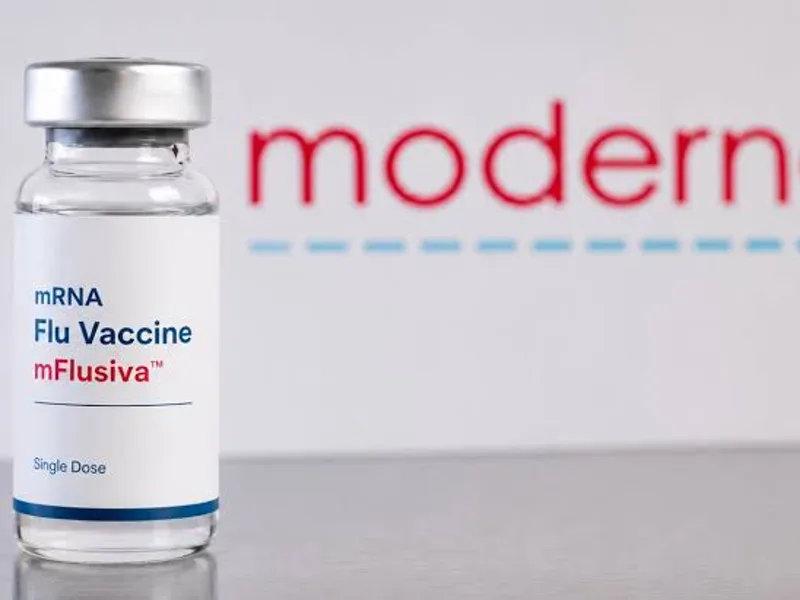
After a rocky start earlier this year, the FDA has approved Moderna's mRNA flu vaccine, called mFlusiva, making it the first flu shot of its kind to reach the US market. The approval covers adults 50 and older, with a conditional path for those 65 and up pending a follow-up study. This piece walks t
A Vaccine That Almost Didn't Make It
Six months ago, this approval looked unlikely. In February 2026, the FDA sent Moderna a "refusal-to-file" letter, rejecting its application outright over concerns about the comparator vaccine used in the company's Phase 3 trial. HHS spokesperson Andrew Nixon said at the time that Moderna had tested older adults against a "substandard of care" rather than the high-dose flu vaccine the CDC recommends for that age group.
That kind of outright rejection is rare, and it stalled what many researchers considered a genuinely promising technology. Fast forward to August 5, 2026, and the FDA reversed course entirely. The agency approved mFlusiva, previously called mRNA-1010, for use against seasonal flu in all adults 50 and older, closing out what one outlet fairly called a dramatic regulatory turnaround. Healthcare Dive
What Changed Between February and August
Moderna didn't just wait the FDA out. The company held a Type A meeting with the agency and proposed a revised strategy, splitting its request into full approval for adults 50 to 64 and accelerated approval for adults 65 and older, backed by a postmarketing commitment to run an additional study in that older group. In June, the FDA's independent vaccine advisory committee unanimously recommended approval based on a late-stage trial involving more than 40,000 older adults across 11 countries.
That's a fairly large trial by flu vaccine standards, and the unanimous advisory vote is worth noting. Advisory committees don't always agree, and when they do, regulators tend to take it seriously, though the final call is always the FDA's own.
How Well Does It Actually Work?
In trials, mFlusiva was found to be about 27% more effective than a standard flu shot. That's a meaningful number, though it's worth being precise about what it means. It reflects comparative effectiveness against one specific standard-dose vaccine in the trial, not a guarantee of how it'll perform against every flu strain in every future season. Flu vaccine effectiveness always shifts year to year depending on how well the vaccine formula matches the circulating strains.
Safety-wise, no new or serious concerns turned up in either Moderna's or the FDA's own review. The side effects recorded were the kind typically seen with mRNA vaccines: fatigue, joint pain, and muscle aches. Other reported effects included injection site pain and headache. None of that is unusual for a flu shot, mRNA or otherwise.
Who Can Actually Get It
The approval covers two groups: adults 50 to 65, and adults 65 and up, though the older group's approval comes with a condition attached. Full approval applies to the 50-to-64 age bracket, while the 65-and-older approval is "accelerated," meaning it's conditional on a postmarketing study Moderna has committed to running. NBC NewsPharmacy Times
In clinical practice, this distinction tends to confuse patients more than anything else. An accelerated approval isn't a lesser approval exactly, but it does mean regulators want more real-world follow-up data before calling the case fully closed. If you're 65 or older, it's worth asking your doctor directly what that follow-up study involves rather than assuming "approved" means every question has been answered.
Why the mRNA Angle Matters Beyond Flu Season
The bigger story here isn't really about this one flu season. mRNA vaccines can be updated and manufactured far more quickly than traditional flu shots, which matters enormously if a new strain shows up unexpectedly, something that happened during last flu season. Michael Osterholm, an infectious disease expert at the University of Minnesota, called the approval "a critical step forward in advancing influenza vaccine technology."
That speed advantage is also why some public health voices see this approval as pandemic preparedness as much as routine flu prevention. An FDA advisory panelist noted that approval could help the US be better prepared for emerging or pandemic flu strains down the line. Whether that plays out in practice depends a lot on production capacity and public willingness to take an mRNA flu shot, which isn't guaranteed given how politicized mRNA vaccines have become. Healthcare Dive
The Political Backdrop Is Hard to Ignore
This approval came despite repeated public criticism of mRNA technology from Health and Human Services leadership, which makes the reversal from outright rejection to full approval within six months genuinely notable. Whatever your view on the politics, the science here went through an unusually public fight before landing on approval, and that visibility is likely to shape how confidently people take it up this fall.
When Will It Be Available
Moderna says mFlusiva will be available within a few weeks, in time for the 2026-2027 flu season. Moderna itself confirmed the shot will be ready for this fall's flu season. If you're in the eligible age group and considering it, this is a reasonable moment to start that conversation with your doctor rather than waiting until flu season is already underway.


