

Emergency & Help
24/7 Emergency & General Advisory
🚨 24/7 Medical Emergency
Non-Emergency Advisory
10:00 AM – 6:00 PM, Mon–Sat
For appointments & general queries.
24/7 Emergency & General Advisory
🚨 24/7 Medical Emergency
Non-Emergency Advisory
10:00 AM – 6:00 PM, Mon–Sat
For appointments & general queries.
Learn how to achieve body recomposition by simultaneously losing fat and gaining muscle. This guide offers practical nutrition and exercise tips for Indian readers.
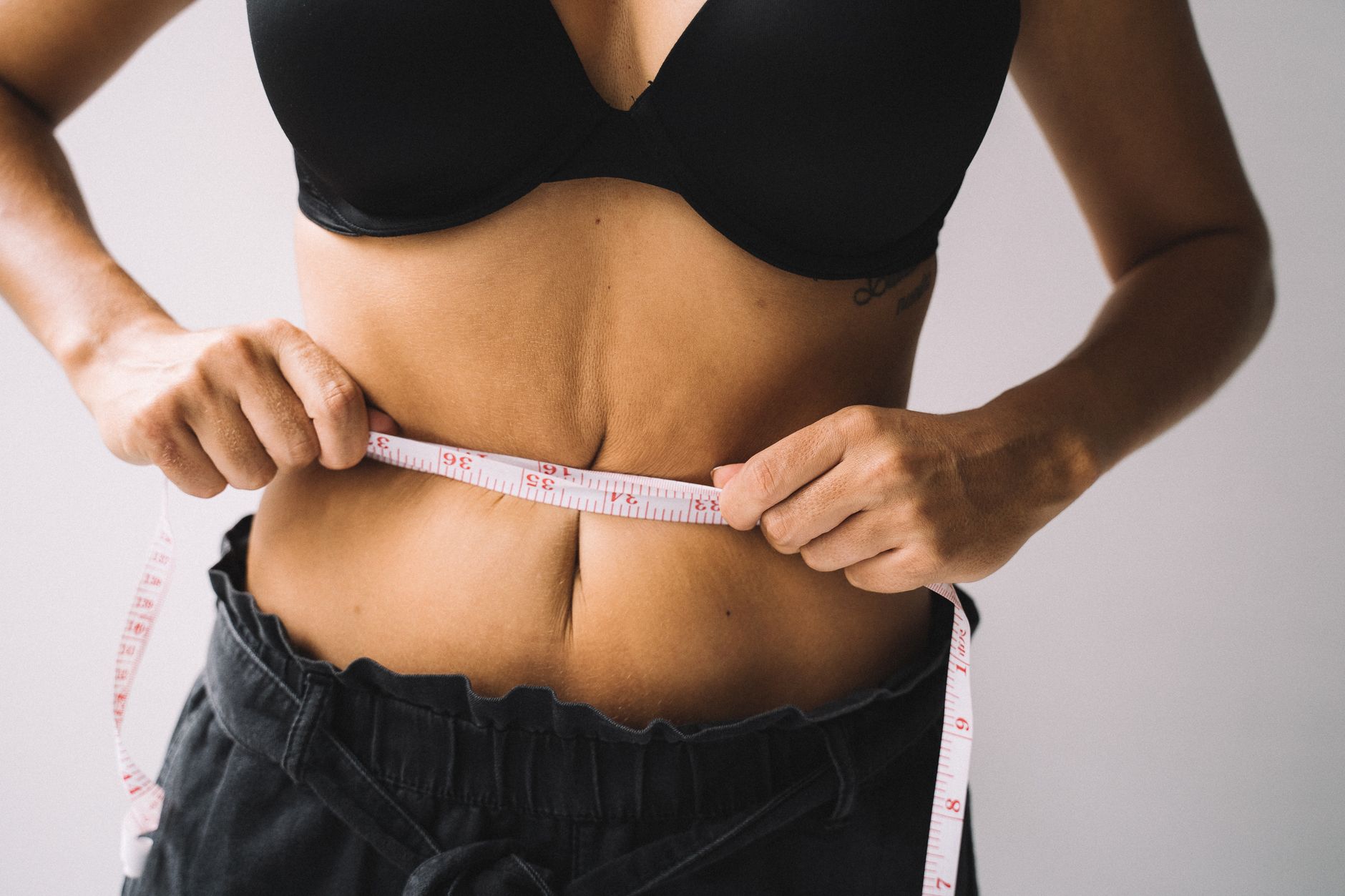
In the pursuit of a healthier and more aesthetically pleasing physique, many individuals focus on either losing weight or gaining muscle. However, a more sophisticated and often more beneficial approach is body recomposition. This strategy aims to achieve two seemingly opposing goals simultaneously: reducing body fat while increasing muscle mass. While it might sound challenging, body recomposition offers significant advantages, including improved metabolism, reduced risk of chronic diseases, and enhanced overall physical function. This guide will delve into the principles of body recomposition, providing practical advice tailored for Indian readers.
Traditional weight loss often involves a calorie deficit that can lead to the loss of both fat and muscle. Conversely, bulking up to gain muscle typically requires a calorie surplus, which can also lead to fat gain. Body recomposition offers a middle ground, allowing you to shed unwanted fat while building lean muscle, leading to a more toned and sculpted appearance without necessarily seeing a drastic drop on the weighing scale. This is particularly beneficial for individuals who are relatively new to strength training or those returning after a break, as their bodies are more responsive to muscle-building stimuli.
Achieving body recomposition hinges on a delicate balance of nutrition, exercise, and recovery. The core principle is to provide your body with the necessary nutrients to build muscle while creating an environment that encourages fat mobilization and utilization for energy. This involves:
Nutrition is arguably the most critical factor in body recomposition. Here’s how to approach it:
A well-rounded exercise routine is vital:
Aim for 3-5 strength training sessions per week, allowing adequate rest for muscle groups.
Muscle growth occurs during rest, not during the workout itself. Prioritize:
Body recomposition can be slower than focusing on just fat loss or muscle gain. Patience and consistency are key. Don't get discouraged if the scale doesn't move significantly; focus on non-scale victories like improved strength, better fitting clothes, and increased energy levels.
While body recomposition is generally safe for healthy individuals, it's always wise to consult a healthcare professional or a registered dietitian before making significant changes to your diet or exercise routine, especially if you have:
A doctor or a qualified nutritionist can help tailor a plan that is safe and effective for your individual needs and health profile.
The timeline varies greatly depending on your starting point, genetics, consistency with diet and exercise, and training experience. For beginners, noticeable changes can occur within 3-6 months. For more experienced individuals, it can take longer.
Yes, it is possible, especially for beginners, individuals returning to training after a break, or those with a higher body fat percentage. It requires a strategic approach to nutrition and exercise.
Focus on lean protein sources like dals, paneer, eggs, chicken, and fish. Include complex carbohydrates from whole grains, vegetables, and fruits. Don't forget healthy fats from nuts, seeds, and avocados. Ensure adequate hydration.
While not always strictly necessary, understanding your calorie intake and expenditure is beneficial. A slight deficit or maintenance calories, combined with high protein intake and strength training, is often recommended.
No, moderate cardio is beneficial for fat loss and overall health. However, excessive cardio can hinder muscle recovery and growth. Balance is key.
Body recomposition is a powerful strategy for achieving a healthier body composition by simultaneously losing fat and gaining muscle. By focusing on a protein-rich diet, consistent progressive overload in strength training, adequate recovery, and mindful calorie management, individuals in India can effectively pursue this dual goal. Remember that consistency, patience, and listening to your body are crucial for long-term success. Consult with healthcare professionals to ensure your plan is safe and optimized for your unique needs.
This section adds practical context and preventive advice to help readers make informed healthcare decisions. It is important to verify symptoms early, consult qualified doctors, and avoid self-medication for persistent health issues.
Maintaining healthy routines, following prescribed treatment plans, and attending regular checkups can improve outcomes. If symptoms worsen or red-flag signs appear, immediate medical evaluation is recommended.
Track symptoms and duration.
Follow diagnosis and treatment from a licensed practitioner.
Review medication side effects with your doctor.
Seek urgent care for severe warning signs.
Visit Hospital
Near You
Find trusted general surgery care in Budge Budge. Explore leading hospitals for effective treatments and expert surgical teams.
May 19, 2026
Find advanced COPD treatment in Kolkata at Ruby General Hospital. Our pulmonology experts offer personalized care and effective therapies.
May 19, 2026

Discover metabolic conditioning (metcon), an efficient workout style that boosts fitness by combining moderate and high-intensity exercises. Learn how it works, its benefits, and how to get started safely.
April 1, 2026