

Emergency & Help
24/7 Emergency & General Advisory
🚨 24/7 Medical Emergency
Non-Emergency Advisory
10:00 AM – 6:00 PM, Mon–Sat
For appointments & general queries.
24/7 Emergency & General Advisory
🚨 24/7 Medical Emergency
Non-Emergency Advisory
10:00 AM – 6:00 PM, Mon–Sat
For appointments & general queries.
Discover the benefits of low weight, high rep exercises for building muscular endurance, improving stamina, and reducing injury risk. Learn effective techniques and exercises for a healthier you.
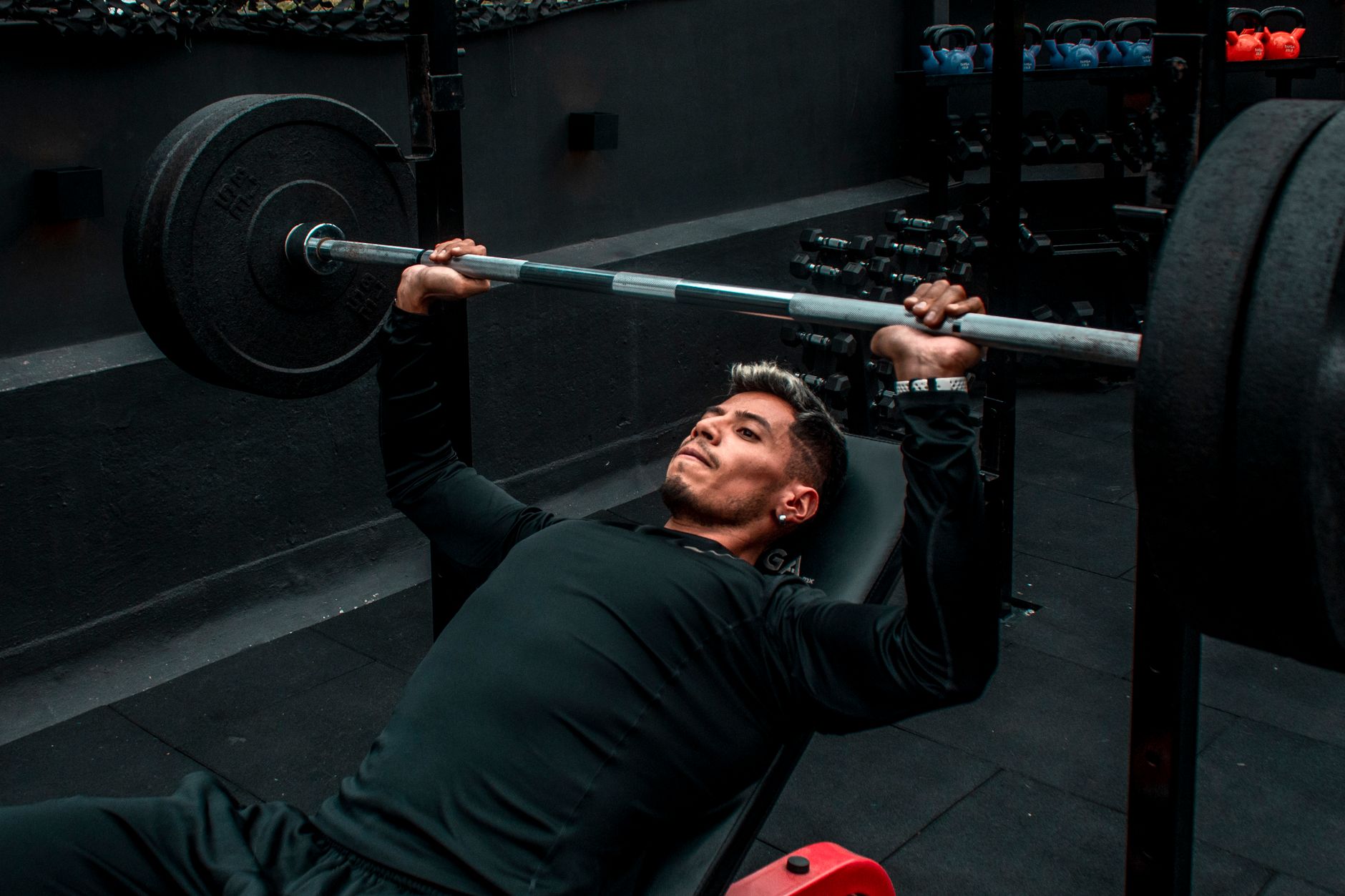
Are you looking to enhance your muscular endurance, improve your overall fitness, and perhaps reduce the risk of injury? Many people believe that lifting heavy weights is the only way to get stronger. However, a different approach, using lighter weights for more repetitions (reps), can be incredibly effective. This method, often called high-volume training, focuses on building stamina and can yield impressive results, even for those who are new to the gym. Let's explore how this training style works and discover some excellent exercises that fit perfectly into a low weight, high rep routine. Understanding the Science: Low Weight, High Reps vs. Heavy Lifting Before diving into specific exercises, it's helpful to understand the underlying principles. Your muscles are made up of different types of fibers, including slow-twitch and fast-twitch fibers. Slow-twitch fibers are more resistant to fatigue and are better suited for endurance activities. Fast-twitch fibers are responsible for explosive power and strength. Lifting a relatively low weight requires less force and primarily engages your slow-twitch fibers. This is why high-rep training is so effective for building muscular endurance and stamina. Research supports this. A 2016 study involving experienced weightlifters found that participants using a high-rep program (3 sets of 20-25 reps with 30-50% of their maximum lift) experienced similar muscle growth to those using a low-rep program (3 sets of 8-12 reps with 75-90% of their maximum lift). This suggests that for muscle growth (hypertrophy), the total amount of work done (volume) might be more critical than the intensity of the load, especially when lifting to failure. For beginners, almost any form of resistance training will lead to increases in strength and muscle size. As you progress, tailoring your workout to your specific goals becomes more important. Why Choose Low Weight, High Reps? There are several compelling reasons to incorporate low weight, high rep exercises into your fitness routine: Improved Muscular Endurance: This is the primary benefit. Your muscles become more efficient at working for longer periods without fatiguing. This is fantastic for activities like running, cycling, or even just getting through a long day without feeling exhausted. Reduced Risk of Injury: Lifting very heavy weights puts significant stress on your joints, tendons, and ligaments. Lighter weights, when used with proper form, generally impose less strain, making it a safer option, especially for those with pre-existing joint issues or those new to lifting. Enhanced Calorie Burn: Performing a higher number of repetitions in a set can lead to a greater metabolic demand, potentially burning more calories during and after your workout. Accessibility: This training style is often more accessible. You might not need extremely heavy weights, making it easier to perform at home or in gyms with limited equipment. Building a Solid Foundation: For beginners, it’s an excellent way to learn proper form and build a base level of strength and endurance before progressing to heavier loads. Best Exercises for Low Weight, High Rep Training Not all exercises are created equal when it comes to high-volume training. Some movements are particularly well-suited for focusing on muscular endurance. Here are six excellent choices: 1. Bench Press (Barbell or Dumbbell) This classic exercise targets your chest, shoulders, and triceps. Using lighter weights allows you to focus on controlled movement and muscle engagement. Lie flat on a bench, ensuring your feet are firmly planted on the floor. If using a barbell, grip it slightly wider than shoulder-width apart. If using dumbbells, hold one in each hand at chest level. Lower the weight slowly and with control towards your chest, allowing your elbows to bend towards your sides. Stop when your elbows are just below the level of the bench, then press the weight back up to the starting position, squeezing your chest muscles. 2. Back Squat (Barbell) A fundamental exercise for building strength and endurance in your legs and glutes. Focus on depth and control. Set up a squat rack so the barbell is at about shoulder height. Position yourself under the bar with your feet slightly wider than shoulder-width apart. Grip the bar firmly, squeezing your shoulder blades together and keeping your chest up. Lift the bar off the rack by standing up, then take a small step back to get into position. Sit back as if you are lowering yourself into a chair, keeping your chest up and your back straight. Aim to lower your hips below your knees if possible. Push through your heels to return to a standing position. 3. Leg Press (Machine) This machine-based exercise is great for isolating your quadriceps, hamstrings, and glutes with reduced stress on your back compared to squats. Sit on the machine with your back firmly against the pad. Place your feet on the resistance plate, shoulder-width apart, with your toes pointing forward. Take a deep breath, brace your abdominal muscles, and exhale as you push the plate away. Keep your upper body still and your heels on the plate throughout the movement. Extend your legs until they are straight but not locked out. Slowly return to the starting position, controlling the weight. 4. Standing Shoulder Press (Barbell or Dumbbell) This targets your shoulders and triceps. Maintaining an upright posture is key here. Stand with your feet shoulder-width apart. Position a barbell in a rack at about shoulder height, or hold dumbbells at shoulder level. Grip the bar or dumbbells with an overhand grip, slightly wider than shoulder-width. Keep your knees straight but not locked. Press the weight directly overhead until your arms are fully extended. Slowly lower the weight back to the starting position. 5. Romanian Deadlift (RDL) (Barbell or Dumbbell) Excellent for targeting your hamstrings and glutes, with a strong emphasis on the posterior chain. Stand with your feet hip-width apart, holding a barbell or dumbbells in front of your thighs. Keep a slight bend in your knees throughout the movement. Hinge at your hips, pushing your glutes back as you lower the weight down your shins. Keep your back straight and your core engaged. Lower the weight until you feel a good stretch in your hamstrings, typically around mid-shin level. Squeeze your glutes and hamstrings to pull yourself back up to a standing position. 6. Glute Bridges (Bodyweight or with light weight) A simple yet effective exercise for activating and strengthening your glutes and lower back. Lie on your back with your knees bent, feet flat on the floor hip-width apart, and arms by your sides. Squeeze your glutes and lift your hips off the floor until your body forms a straight line from your shoulders to your knees. Hold the top position for a second, focusing on contracting your glutes. Slowly lower your hips back to the starting position. You can add a light weight plate on your hips for added resistance. Putting It All Together: Your Workout Plan When performing low weight, high rep exercises, the goal is typically to work each muscle group to fatigue within the 20-25 rep range. Aim for 3-4 sets per exercise. Remember to: Focus on Form: Always prioritize correct technique over lifting more weight or doing more reps. Watch yourself in the mirror or consider working with a trainer initially. Control the Movement: Don't let gravity do the work. Control both the lifting (concentric) and lowering (eccentric) phases of each rep. A common tempo might be 2 seconds up, 1-second pause, 3 seconds down. Listen to Your Body: If you feel sharp pain, stop immediately. Muscle fatigue is expected, but joint pain is a warning sign. Progress Gradually: As you get stronger, you can increase the weight slightly, add more reps, increase the number of sets, or decrease rest times between sets. A Real-Life Scenario: Imagine Priya, a busy homemaker in her late 30s, who wants to improve her stamina for daily chores and feel more energetic. She finds lifting heavy weights intimidating and worries about injuring herself. By incorporating exercises like the leg press and glute bridges with lighter weights and focusing on completing 20-25 reps per set, she starts noticing a significant difference in her energy levels and finds household tasks less tiring, all without the fear of heavy lifting. Nutrition and Lifestyle Tips for Success Your diet plays a vital role in muscle recovery and growth, regardless of your training style. Ensure you're consuming adequate protein to help repair and build muscle tissue. Include lean meats, fish, eggs, dairy, legumes, and plant-based protein sources. Stay well-hydrated by drinking plenty of water throughout the day, as this is essential for all bodily functions, including muscle performance and recovery. Adequate sleep is also non-negotiable; aim for 7-9 hours per night, as this is when your body does most of its repair work. When to Consult a Doctor or Fitness Professional While low weight, high rep training is generally safe, it's always wise to consult with a healthcare provider before starting any new exercise program, especially if you have underlying health conditions, past injuries, or concerns. A qualified fitness professional can help you design a personalized program, teach you proper
In summary, timely diagnosis, evidence-based treatment, and prevention-focused care improve long-term health outcomes.
Visit Hospital
Near You
Find trusted general surgery care in Budge Budge. Explore leading hospitals for effective treatments and expert surgical teams.
May 19, 2026
Find advanced COPD treatment in Kolkata at Ruby General Hospital. Our pulmonology experts offer personalized care and effective therapies.
May 19, 2026

Discover metabolic conditioning (metcon), an efficient workout style that boosts fitness by combining moderate and high-intensity exercises. Learn how it works, its benefits, and how to get started safely.
April 1, 2026