

Emergency & Help
24/7 Emergency & General Advisory
🚨 24/7 Medical Emergency
Non-Emergency Advisory
10:00 AM – 6:00 PM, Mon–Sat
For appointments & general queries.
24/7 Emergency & General Advisory
🚨 24/7 Medical Emergency
Non-Emergency Advisory
10:00 AM – 6:00 PM, Mon–Sat
For appointments & general queries.
Discover how to build a strong, healthy body with effective strength training exercises you can do right at home. Learn about benefits, equipment, and a sample workout plan.
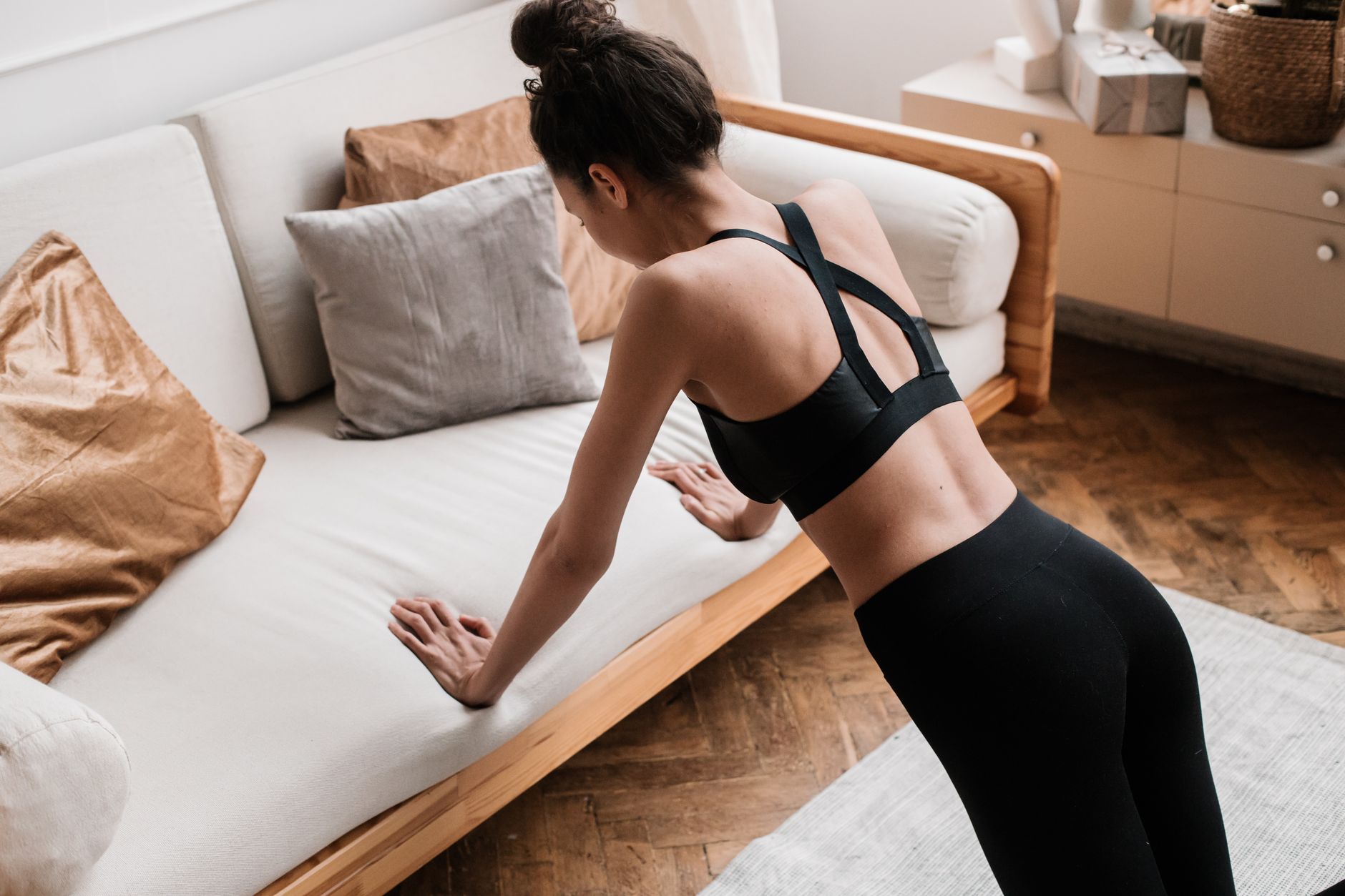
Are you looking to get stronger, boost your metabolism, and improve your overall health, but find the gym intimidating or time-consuming? Good news! You can achieve significant strength gains right in the comfort of your own home. Strength training, also known as weight training or resistance training, is a vital component of any fitness regimen. It doesn't just build muscle; it enhances endurance, improves bone density, and can even lift your mood. This guide will walk you through setting up your home workout space, essential (and optional) equipment, and effective exercises to get you started on your journey to a stronger, healthier you.
Strength training is more than just lifting weights. It's about challenging your body to build resilience and function better. Research consistently shows that incorporating strength training into your routine offers a wide array of health advantages. According to the Mayo Clinic, these benefits include:
Why choose to work out at home? The advantages are numerous, making it an accessible option for many:
The first step is simple: find a comfortable space in your home with enough room to move freely. Ensure you have adequate space for arm and leg movements without bumping into furniture.
When it comes to equipment, you don't need a lot to start. Here are some helpful items, but remember, improvisation is key!
Don't have dumbbells? No problem! You can use everyday items:
Before you begin any strength training session, a warm-up is essential. Aim for 5 to 10 minutes of light cardio and dynamic stretching. This could include:
Now, let's move on to the exercises. For beginners, aim for 1-2 sets of 8-12 repetitions (reps) per exercise. As you get stronger, you can build up to 3 sets.
Lunges are fantastic for strengthening your legs and glutes.
The plank is a powerhouse for core stability.
These target your back muscles and biceps. You'll need dumbbells for this. If you don't have them, use weighted water bottles.
This exercise works your shoulders and triceps.
A fundamental exercise for legs, glutes, and core.
Here's a sample routine you can follow:
Remember to listen to your body. If an exercise feels painful, stop. Rest between sets for 30-60 seconds.
While at-home strength training is generally safe and beneficial, it's wise to consult a healthcare professional before starting if you have any underlying health conditions, such as heart disease, diabetes, or joint issues. If you experience persistent pain during or after exercise, or if you're unsure about proper form, seeking guidance from a doctor or a qualified physical therapist is highly recommended. They can help tailor a program to your specific needs and ensure you exercise safely and effectively.
For beginners, 2-3 times per week, with at least one rest day in between, is a good starting point. As you progress, you can increase frequency or intensity.
Bodyweight exercises like squats, lunges, push-ups (on knees or toes), and planks are very effective. You can also use household items like water bottles or canned goods as improvised weights.
Consistency is key. You might start noticing improvements in strength and endurance within a few weeks, with more visible changes in muscle tone and body composition appearing after several weeks to a few months.
Yes! Strength training builds muscle mass, which increases your resting metabolic rate. This means you burn more calories even when you're not exercising, aiding in weight management.
Visit Hospital
Near You
Find trusted general surgery care in Budge Budge. Explore leading hospitals for effective treatments and expert surgical teams.
May 19, 2026
Find advanced COPD treatment in Kolkata at Ruby General Hospital. Our pulmonology experts offer personalized care and effective therapies.
May 19, 2026

Discover metabolic conditioning (metcon), an efficient workout style that boosts fitness by combining moderate and high-intensity exercises. Learn how it works, its benefits, and how to get started safely.
April 1, 2026