

Emergency & Help
24/7 Emergency & General Advisory
🚨 24/7 Medical Emergency
Non-Emergency Advisory
10:00 AM – 6:00 PM, Mon–Sat
For appointments & general queries.
24/7 Emergency & General Advisory
🚨 24/7 Medical Emergency
Non-Emergency Advisory
10:00 AM – 6:00 PM, Mon–Sat
For appointments & general queries.
Discover effective exercises, nutrition tips, and lifestyle changes to help you build stronger, fuller leg muscles. Learn how to achieve your leg-building goals safely and effectively.
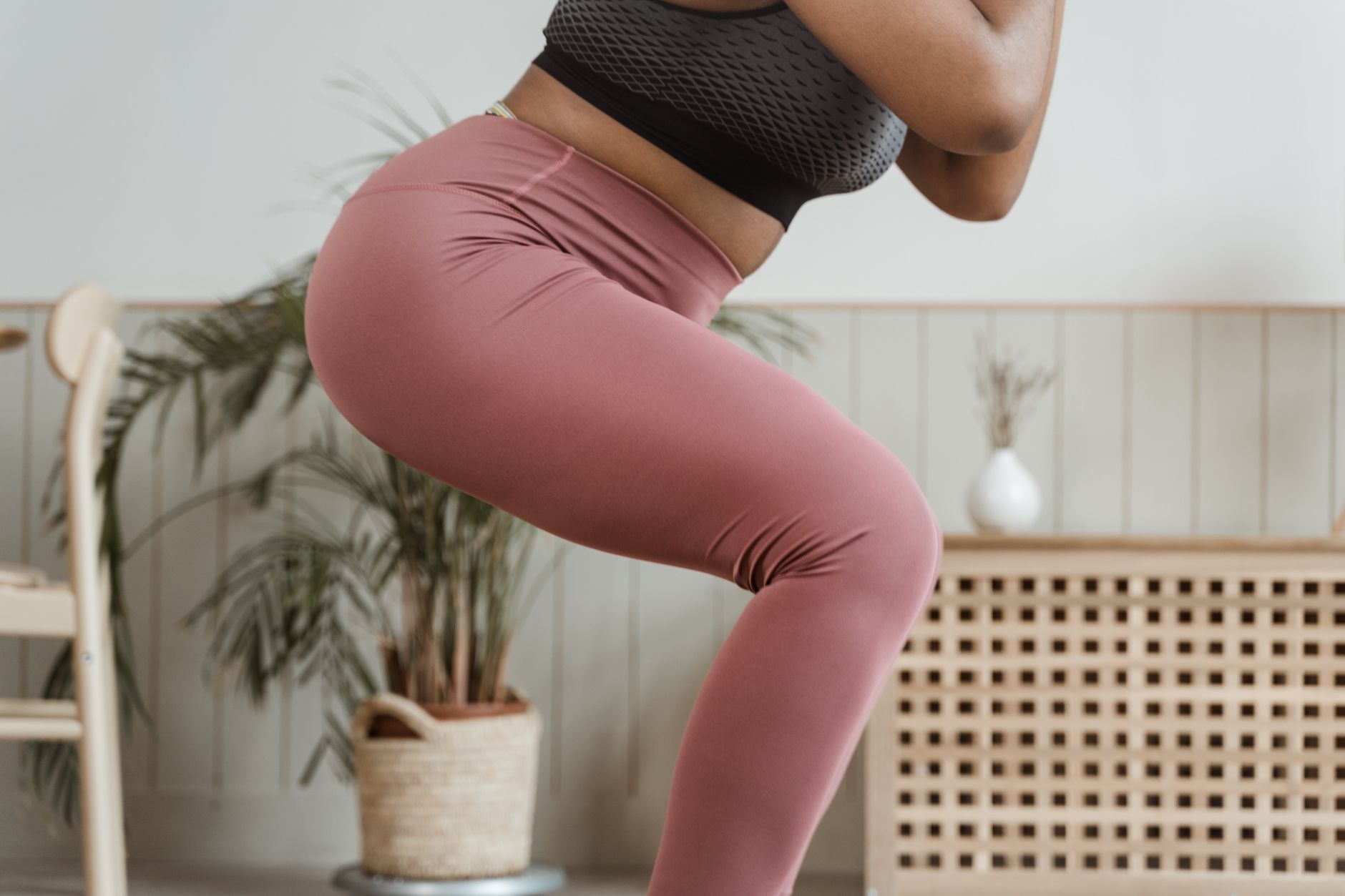
Dreaming of stronger, more shapely legs? Whether you're an athlete looking to boost performance or simply want to achieve a more balanced physique, gaining muscle mass in your legs is a common goal. It's not just about aesthetics; well-developed leg muscles contribute to overall strength, stability, and even improved metabolism. Many people struggle with gaining weight, especially in specific areas like the legs, often finding that their upper body gains muscle more easily. This guide is designed to help you understand the key principles of building leg muscle, combining effective exercises with the right nutrition and lifestyle habits. We'll focus on practical, actionable advice tailored for an Indian audience, making it easier for you to achieve your fitness aspirations. Why Focus on Leg Muscle Gain? Leg muscles, including your quadriceps, hamstrings, glutes, and calves, are the largest muscle groups in your body. Developing them offers significant benefits: Increased Strength and Power: Strong legs are fundamental for everyday activities like walking, running, and climbing stairs, as well as for athletic performance. Improved Metabolism: More muscle mass means your body burns more calories at rest, which can aid in weight management. Better Balance and Stability: Strong leg muscles help support your joints, reducing the risk of injury and improving overall body control. Enhanced Physique: Balanced muscle development contributes to a more proportionate and aesthetically pleasing physique. The Pillars of Leg Muscle Growth: Exercise, Nutrition, and Rest Gaining muscle, including in your legs, is a three-pronged approach. You can't achieve significant results by focusing on just one aspect. Let's break down each component: 1. Targeted Leg Exercises When you want to build muscle, you need to challenge your muscles with resistance training. For leg growth, compound exercises that work multiple muscle groups simultaneously are most effective. Here are some key exercises: Squats: The King of Leg Exercises Squats are excellent for building overall leg and glute muscle, particularly your quadriceps (front of the thigh). Here's how to perform a basic bodyweight squat: Stand with your feet hip-width apart, toes pointing slightly outwards. Keep your chest up and your back straight. Engage your core muscles by tightening your abdominal area. Slowly bend your knees and lower your hips as if you're sitting back into a chair. Aim to get your thighs parallel to the floor. Ensure your knees track in line with your toes and don't go past them. Push through your heels to return to the starting position, squeezing your glutes at the top. Repeat for several repetitions, focusing on controlled movement. Lunges: For Strength and Balance Lunges are fantastic for working your quads, hamstrings, and glutes, while also improving balance. A basic forward lunge: Stand tall with your feet hip-width apart. Step forward with one leg, lowering your hips until both knees are bent at approximately a 90-degree angle. Ensure your front knee is directly above your ankle, and your back knee hovers just above the floor. Push off your front foot to return to the starting position. Repeat on the other leg. Alternate legs for your sets. Calf Raises: Targeting the Lower Legs To build those calf muscles, calf raises are essential. You can do these anywhere: Stand upright on a flat surface with your feet hip-width apart. Keep your core engaged. Slowly rise up onto the balls of your feet, lifting your heels as high as possible. Hold this elevated position for a second or two, feeling the contraction in your calves. Slowly lower your heels back down to the starting position. For an added challenge, you can perform calf raises on the edge of a step, allowing your heels to drop lower for a greater stretch. Leg Press Machine: A Versatile Option If you have access to a gym, the leg press machine allows you to target your leg muscles with significant resistance. It's a great way to overload your muscles safely. Sit on the machine, ensuring your back is flat against the seat and your feet are flat on the platform, about shoulder-width apart. Carefully extend your legs to push the platform away, but avoid locking your knees at the top. Slowly and controllably bring the platform back towards you, feeling a stretch in your leg muscles. Repeat for the desired number of repetitions. 2. Fueling Your Muscle Growth: Nutrition for Weight Gain Exercise breaks down muscle tissue; nutrition and rest help it rebuild stronger. To gain muscle, you need to consume more calories than you burn, focusing on protein and complex carbohydrates. Key Nutrients for Muscle Gain: Protein: This is the building block of muscle. Aim for adequate protein intake throughout the day. Good sources include chicken breast, fish (like tilapia), lean red meats (sirloin steak), eggs, dairy products (milk, yogurt, cheese), lentils, beans, and tofu. Complex Carbohydrates: These provide the energy needed for intense workouts and help replenish glycogen stores. Opt for whole grains like oatmeal, quinoa, whole-wheat bread, brown rice, and starchy vegetables such as potatoes, sweet potatoes, and cassava. Healthy Fats: Fats are important for hormone production and overall health. Include sources like nuts, seeds, avocados, and olive oil. Foods to Include for Leg Muscle Gain: Here are some excellent food choices that support your goal of building leg muscle: Meats: Chicken breast, turkey, lean beef cuts, pork tenderloin. Fish: Salmon, mackerel, tilapia. Dairy: Full-fat yogurt, milk, cottage cheese, paneer. Grains: Oats, brown rice, whole-wheat roti/bread, quinoa, millet. Legumes & Beans: Lentils (dal), chickpeas (chana), kidney beans (rajma), black-eyed peas. Fruits: Bananas (great for energy and potassium), grapes, mangoes, berries. Vegetables: Potatoes, sweet potatoes, corn, peas, carrots. Nuts & Seeds: Almonds, walnuts, peanuts, chia seeds, flaxseeds. Foods to Limit: While building muscle, it's wise to limit processed foods, sugary drinks, and excessive amounts of unhealthy fats, as these provide empty calories and can hinder your progress. 3. The Importance of Rest and Recovery Muscle growth doesn't happen in the gym; it happens when you rest. Your muscles repair and grow stronger during periods of rest. Sleep: Aim for 7-9 hours of quality sleep per night. Consistent sleep patterns are vital. Try to go to bed and wake up around the same time each day, even on weekends. Rest Days: Don't train your legs intensely every day. Incorporate rest days into your weekly routine to allow muscles to recover. Active recovery, like light walking or stretching, can be beneficial on rest days. Exercises to Approach with Caution If your primary goal is to gain muscle mass in your legs, excessive amounts of certain types of cardio might work against you. High-intensity, long-duration aerobic exercises like running or swimming can burn a significant number of calories and may make it harder to maintain a calorie surplus needed for muscle gain. However, moderate cardio can still be beneficial for overall health and can help with muscle definition. Scenario: Priya loves her daily 5km run. She’s been trying to build muscle in her legs but isn’t seeing much change. Her trainer suggested she reduce her running to 2-3 times a week and incorporate more strength training, plus ensure she's eating enough protein and calories afterwards. Priya was hesitant, but after a few weeks, she noticed her leg muscles starting to look fuller and feel stronger. Putting It All Together: A Sample Approach Here’s a simplified plan: Strength Training: Focus on leg exercises like squats, lunges, and calf raises 2-3 times per week, with at least one rest day in between leg workouts. Nutrition: Ensure you are eating slightly more calories than you burn each day. Prioritize protein with every meal and include complex carbohydrates. Hydration: Drink plenty of water throughout the day. Sleep: Aim for consistent, quality sleep. When to Consult a Professional If you have any underlying health conditions, are new to strength training, or are struggling to see results, consulting a doctor, a certified personal trainer, or a registered dietitian can provide personalized guidance. They can help tailor a plan that's safe and effective for your specific needs. Frequently Asked Questions (FAQ) Q1: Can I gain leg muscle without going to the gym? A1: Absolutely! Bodyweight exercises like squats, lunges, and calf raises can be very effective when done with proper form and consistency. You can also use resistance bands or household items for added challenge. Q2: How long does it take to see results? A2: Results vary depending on individual factors like genetics, consistency, training intensity, and diet. You might start noticing changes in strength within a few weeks, with visible muscle growth typically taking several months of consistent effort. Q3: Should I focus only on leg exercises if I want bigger legs? A3: While your focus is leg muscle, a balanced workout routine that includes some upper body and core work is beneficial for overall fitness and can help prevent muscle imbalances. Q4: What if I'm naturally thin and find it hard to gain weight? A4: If you have a naturally fast metabolism, focus on consistently eating calorie-dense, nutrient-rich foods. Ensure you are in a calorie surplus and prioritize protein. Working with a dietitian
In summary, timely diagnosis, evidence-based treatment, and prevention-focused care improve long-term health outcomes.
Visit Hospital
Near You
Find trusted general surgery care in Budge Budge. Explore leading hospitals for effective treatments and expert surgical teams.
May 19, 2026
Find advanced COPD treatment in Kolkata at Ruby General Hospital. Our pulmonology experts offer personalized care and effective therapies.
May 19, 2026

Discover metabolic conditioning (metcon), an efficient workout style that boosts fitness by combining moderate and high-intensity exercises. Learn how it works, its benefits, and how to get started safely.
April 1, 2026