

Emergency & Help
24/7 Emergency & General Advisory
🚨 24/7 Medical Emergency
Non-Emergency Advisory
10:00 AM – 6:00 PM, Mon–Sat
For appointments & general queries.
24/7 Emergency & General Advisory
🚨 24/7 Medical Emergency
Non-Emergency Advisory
10:00 AM – 6:00 PM, Mon–Sat
For appointments & general queries.
Learn about the recovery process, rehabilitation stages, and what to expect after cochlear implant surgery, including timelines and success factors.
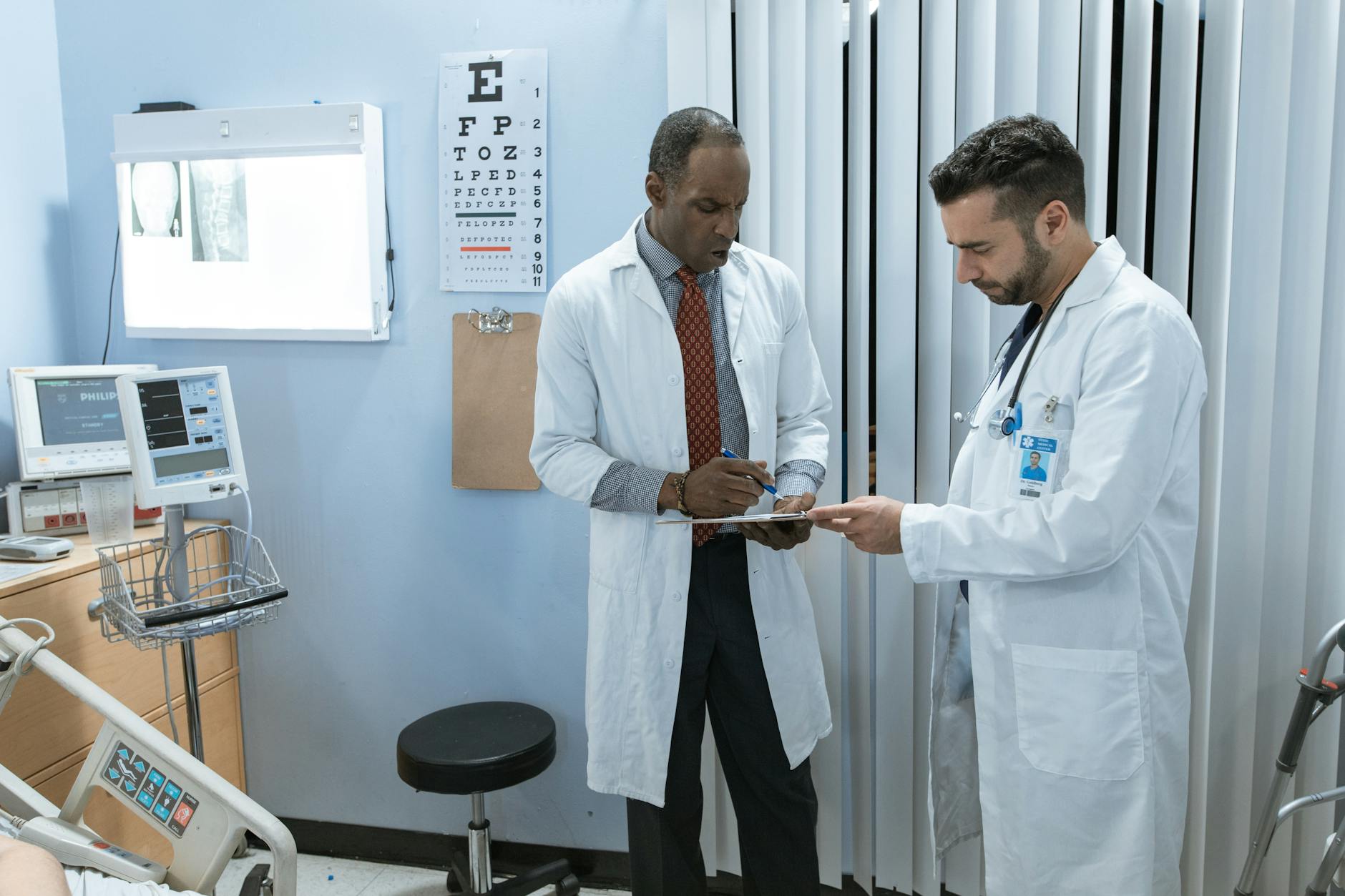
Understanding Cochlear Implants: A Guide to Recovery and Rehabilitation Cochlear implants are remarkable medical devices that can significantly improve the lives of individuals with severe to profound hearing loss. Unlike hearing aids, which amplify sound, cochlear implants work by directly stimulating the auditory nerve, sending signals to the brain that are interpreted as sound. This fundamental difference means that the journey after receiving a cochlear implant involves not just surgical healing but also a crucial period of rehabilitation to learn how to process and understand these new auditory signals. Many people are captivated by videos of individuals hearing for the first time after receiving cochlear implants, leading to an assumption that hearing is instantly restored. However, it's vital to understand that cochlear implants are assistive devices, and their effectiveness relies heavily on a dedicated rehabilitation process. The recovery period is twofold: healing from the surgery itself and undergoing auditory rehabilitation to make sense of the sounds transmitted by the implant. The Surgical Recovery Phase Following cochlear implant surgery, the initial recovery focuses on healing and ensuring there are no immediate complications. Cochlear implants are typically a two-part system: an internal component surgically placed and an external component, including a transmitter. The external transmitter, which is crucial for receiving sound, is usually not activated until about a month after surgery. This waiting period allows the surgical site to heal properly and for medical professionals to monitor for any issues. During this initial phase, patients may experience several common post-operative sensations. It's not unusual to feel pressure in the implanted ear. Dizziness, nausea, or a general feeling of disorientation can also occur. Some individuals might experience a sore throat, which is often attributed to the breathing tube used during the general anesthesia. Stitches and bandages will need careful attention at home. The surgery is usually an inpatient procedure, requiring a hospital stay of one to two days. The Rehabilitation Journey: Learning to Hear Once the surgical recovery is underway and the external components are ready, the rehabilitation phase begins. This is where the real work of learning to interpret sounds takes place. The brain needs time and consistent training to adapt to the new way of receiving auditory information. This process is known as audiological rehabilitation, or aural rehabilitation. Key aspects of aural rehabilitation include: Calibration: Regular visits to an audiologist are essential. During these appointments, the cochlear implant device is calibrated, meaning it undergoes technical adjustments to ensure it is receiving and transmitting sound signals accurately. Auditory Training: This involves exercises and strategies designed to help the brain learn to recognize and differentiate sounds. Initially, the focus might be on identifying simple sounds, then progressing to understanding speech, music, and other complex auditory information. Speech Therapy: For individuals who lost their hearing after learning to speak (postlingual deafness), speech therapy can help maintain and refine their speaking abilities. For those who were born deaf or lost hearing before developing speech (prelingual deafness), speech therapy is crucial for learning to speak. Environmental Sound Awareness: A significant part of rehabilitation is learning to identify and understand sounds in everyday environments, such as doorbells, telephones, or alarms. Managing Background Noise: A common challenge is distinguishing desired sounds from background noise. Rehabilitation often includes strategies and practice to help individuals focus on specific sounds in noisy settings. Timeline and Success Rates The timeline for rehabilitation can vary significantly from person to person. On average, the rehabilitation process lasts at least 3 to 6 months post-surgery, but for some, it can extend much longer. The success of cochlear implants can also vary. A review of studies from 2000 to 2018 indicated that implant success rates could range from 8.2% to 53.9%. It's important to note that these results are often self-reported by participants. Research has shown differences in outcomes based on when hearing loss occurred: Postlingual Hearing Loss: Adults who lost their hearing after learning to speak and underwent cochlear implant surgery reported auditory improvements in approximately 82% of cases. Prelingual Hearing Loss: In the prelingual group, only about 53.4% noted significant improvement. These figures highlight that while cochlear implants offer significant benefits, the ability to interpret sound and the degree of improvement are influenced by factors such as the duration and type of hearing loss. Cochlear Implants vs. Hearing Aids It is crucial to distinguish cochlear implants from hearing aids. Hearing aids amplify existing sound waves, making them louder for the wearer. Cochlear implants, on the other hand, bypass damaged parts of the ear and directly stimulate the auditory nerve. This fundamental difference explains why the adjustment period and rehabilitation needs are more intensive for cochlear implants. The Role of the Deaf Community It's worth noting that some individuals within the Deaf community may choose to receive cochlear implants. This decision is deeply personal and often involves a careful consideration of identity, communication preferences, and the potential benefits of enhanced auditory input. The choice to use cochlear implants does not diminish the validity or richness of Deaf culture and sign language. When to Consult a Doctor While the recovery and rehabilitation process is guided by medical professionals, it's important to be aware of potential issues. You should consult your doctor or audiologist immediately if you experience: Signs of infection at the surgical site (e.g., increased redness, swelling, warmth, or discharge) Severe or persistent pain Sudden changes in implant function or sound quality Dizziness or balance
In summary, timely diagnosis, evidence-based treatment, and prevention-focused care improve long-term health outcomes.
Visit Hospital
Near You
Find trusted general surgery care in Budge Budge. Explore leading hospitals for effective treatments and expert surgical teams.
May 19, 2026
Find advanced COPD treatment in Kolkata at Ruby General Hospital. Our pulmonology experts offer personalized care and effective therapies.
May 19, 2026

Discover metabolic conditioning (metcon), an efficient workout style that boosts fitness by combining moderate and high-intensity exercises. Learn how it works, its benefits, and how to get started safely.
April 1, 2026