

Emergency & Help
24/7 Emergency & General Advisory
🚨 24/7 Medical Emergency
Non-Emergency Advisory
10:00 AM – 6:00 PM, Mon–Sat
For appointments & general queries.
24/7 Emergency & General Advisory
🚨 24/7 Medical Emergency
Non-Emergency Advisory
10:00 AM – 6:00 PM, Mon–Sat
For appointments & general queries.
Discover how functional fitness trains your body for everyday tasks, reducing injury risk and improving your quality of life. Learn simple exercises you can do at home.
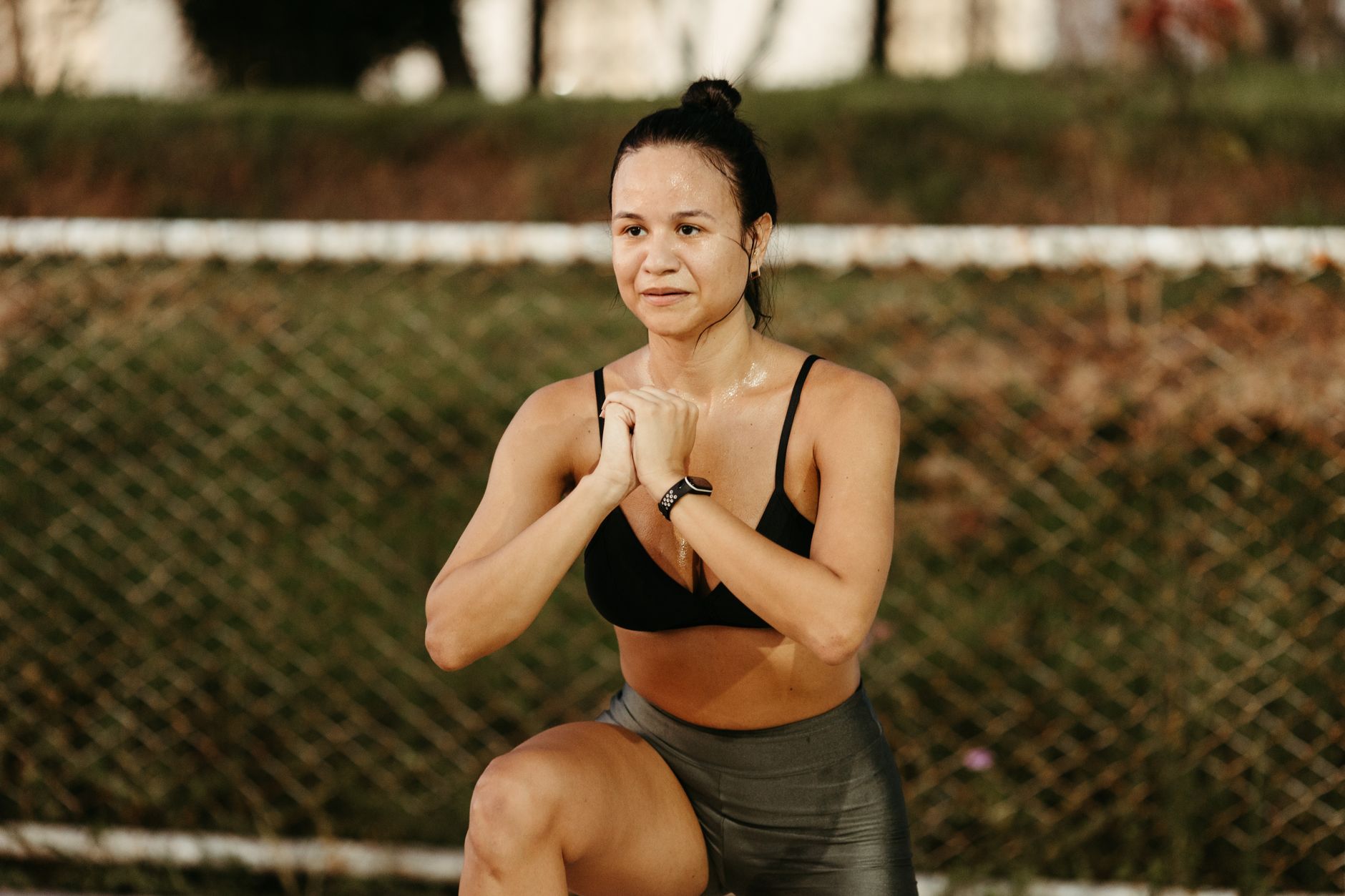
Life throws a lot at us, doesn't it? From bending down to pick up groceries to lifting your child, or even just getting out of a chair, our bodies are constantly performing 'functional' movements. Functional fitness is all about training your body for these real-life activities. It's not about looking a certain way; it's about feeling capable and strong in your daily life. Think of it as preparing your body for whatever the day brings, reducing the risk of strains and making everyday tasks feel effortless.
Functional fitness is a type of exercise that strengthens your body to help you with everyday activities. Unlike traditional exercises that might focus on isolating specific muscles (like a bicep curl), functional fitness exercises use multiple muscle groups and mimic movements you do in your daily life. This means exercises like squats, lunges, and carrying objects become easier and safer.
Imagine you're carrying heavy shopping bags from your car. Functional fitness trains the muscles in your legs, core, and arms to work together efficiently, just like you would need them to in that situation. This coordination and strength help prevent injuries and improve your overall quality of life. It makes you more resilient to the physical demands of life.
As we age, or even just lead busy lives, our natural strength and mobility can decline. This can lead to a higher risk of injuries from simple activities. Functional fitness acts as a powerful preventative measure. By consistently practicing movements that mirror daily tasks, you:
Consider Mrs. Sharma from Chembur. She used to struggle with getting up from her favourite armchair after her evening tea, often needing a push from her grandson. After incorporating simple functional exercises like chair squats into her routine, she now stands up with ease, feeling more independent and confident.
You don't need a fancy gym to build functional strength. Many effective exercises can be done at home with minimal or no equipment. Aim to complete five or six of these exercises 3 to 4 days per week for the best results.
Why: Mimics sitting down and standing up, essential for daily mobility.
How: Stand with your feet shoulder-width apart. Lower your hips back and down as if sitting into a chair, keeping your chest up and back straight. Ensure your knees track over your toes. Push through your heels to return to the starting position. You can hold light dumbbells for added challenge.
Why: Improves leg strength and balance, vital for walking and climbing stairs.
How: Step forward with one leg, lowering your hips until both knees are bent at a 90-degree angle. Your front knee should be directly above your ankle, and your back knee should hover just above the floor. Push off your front foot to return to the starting position. Repeat on the other side. Complete 2 sets of 15 reps on each leg.
Why: Strengthens legs and improves balance, similar to climbing stairs.
How: Stand facing a sturdy elevated surface (like a bench or stable chair). Step onto the surface with one foot, driving through your heel. Bring your other foot up to meet it. Step back down with the first foot, followed by the second. Complete 2 sets of 15 reps on each leg.
Why: Builds core strength, essential for almost all movements and protecting your back.
How: Start on your hands and knees, then extend your body into a straight line from head to heels, resting on your forearms or hands. Engage your core and glutes. Hold for 30-60 seconds. If this is too difficult, drop to your knees.
Why: Strengthens chest, shoulders, and triceps, useful for pushing open doors or lifting objects.
How: Traditional push-ups: Start in a plank position with hands directly under shoulders. Lower your chest towards the floor, keeping your body in a straight line. Push back up. Incline push-ups: Perform the same movement but with your hands on an elevated surface (like a wall or sturdy table) to make it easier. Start on all fours with your palms planted on the floor and your knees bent slightly farther than 90 degrees can also be a good modification for beginners. Complete 2 sets of 10-15 reps.
Why: Strengthens the upper back, important for posture and pulling movements.
How: Hinge at your hips with a slight bend in your knees, keeping your back straight. Let the dumbbells hang towards the floor. Pull the dumbbells up towards your chest, squeezing your shoulder blades together. Pause for 1 second, then slowly lower the weights. Complete 2 sets of 15 reps.
Why: Improves balance and strengthens hamstrings and glutes.
How: Stand on one leg with a slight bend in your knee. Hinge at your hips, lowering your torso towards the floor while extending the non-standing leg straight back behind you for balance. Keep your back straight. Return to the starting position by engaging your glutes and hamstrings. Complete 2 sets of 15 reps on each side.
The beauty of functional fitness is its adaptability. You can easily weave these exercises into your existing routine or create a dedicated session.
While functional fitness is generally safe and beneficial, it's wise to consult a healthcare professional, particularly a doctor or a physical therapist, before starting any new exercise program if you:
A physical therapist can assess your individual needs and create a personalized functional fitness plan tailored to your specific health status and goals.
Regular gym workouts often focus on isolating muscles for hypertrophy (muscle growth) or strength in a specific movement. Functional fitness focuses on compound movements that mimic real-life actions, improving overall bodily efficiency and injury prevention.
While functional fitness primarily focuses on strength and movement, it does burn calories and build muscle. Increased muscle mass boosts your metabolism, which can aid in weight management over time. However, for significant weight loss, it's best combined with a balanced diet and cardiovascular exercise.
Absolutely! Functional fitness is particularly beneficial for older adults as it directly addresses the physical challenges of aging, such as decreased mobility, balance issues, and increased risk of falls. It helps maintain independence and a good quality of life.
Many people report feeling stronger and noticing improvements in their daily activities within a few weeks of consistent practice. More significant changes in strength, balance, and endurance may become apparent over several months.
Visit Hospital
Near You
Find trusted general surgery care in Budge Budge. Explore leading hospitals for effective treatments and expert surgical teams.
May 19, 2026
Find advanced COPD treatment in Kolkata at Ruby General Hospital. Our pulmonology experts offer personalized care and effective therapies.
May 19, 2026

Discover metabolic conditioning (metcon), an efficient workout style that boosts fitness by combining moderate and high-intensity exercises. Learn how it works, its benefits, and how to get started safely.
April 1, 2026