

Emergency & Help
24/7 Emergency & General Advisory
🚨 24/7 Medical Emergency
Non-Emergency Advisory
10:00 AM – 6:00 PM, Mon–Sat
For appointments & general queries.
24/7 Emergency & General Advisory
🚨 24/7 Medical Emergency
Non-Emergency Advisory
10:00 AM – 6:00 PM, Mon–Sat
For appointments & general queries.
Discover German Volume Training (GVT), an intense 10 sets of 10 reps method to rapidly build muscle mass and strength. Learn how to incorporate GVT safely and effectively into your fitness routine with nutrition and recovery tips.
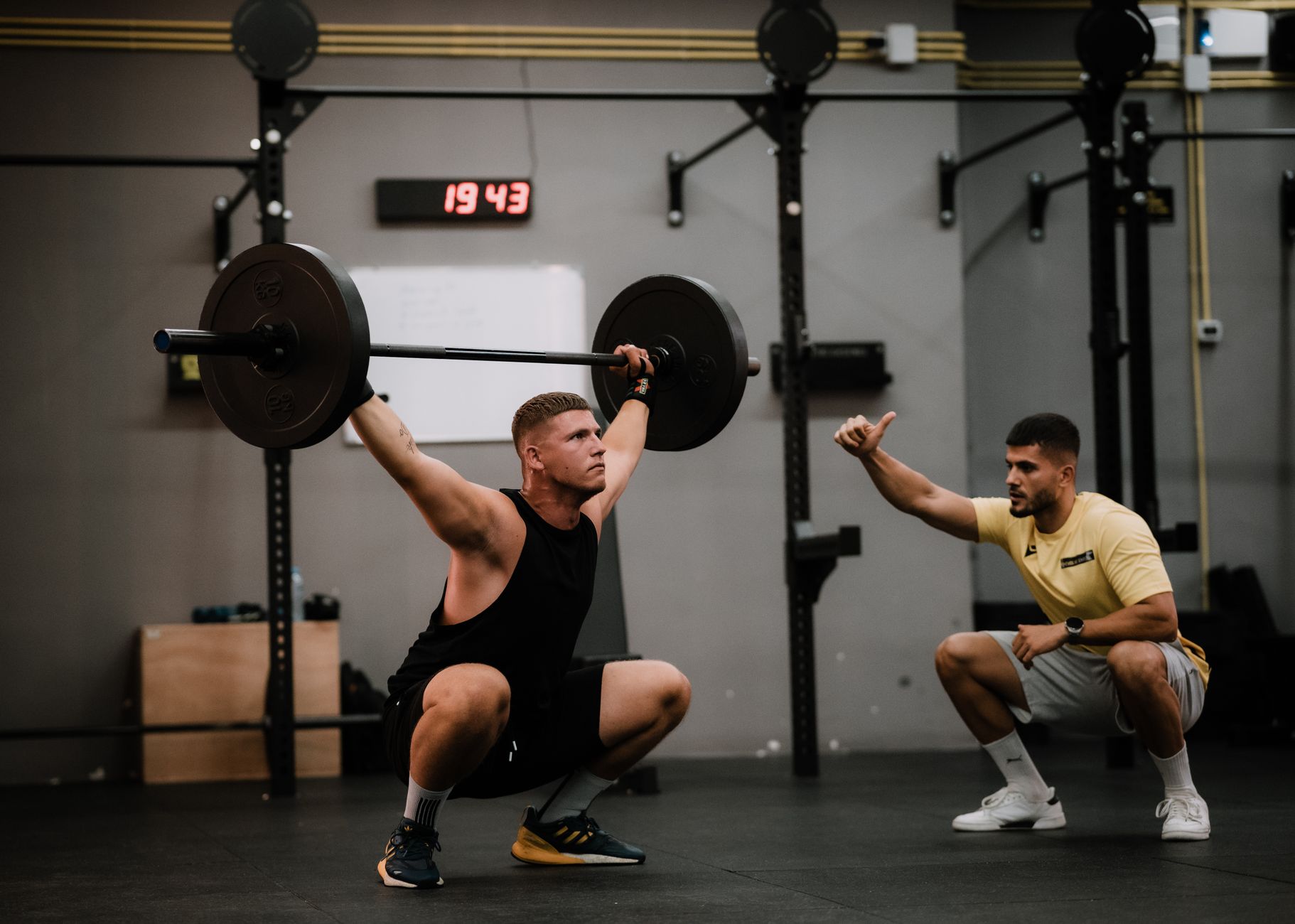
Are you looking to break through a weightlifting plateau and pack on serious muscle mass? German Volume Training (GVT), also known as the 10 sets method, might be the intense workout you need. This program is designed to push your muscles to their limits, triggering rapid growth and strength gains. While it's famously demanding, its potential for impressive results keeps it a favourite among bodybuilders and serious lifters. Let's explore how GVT works and how you can incorporate it safely into your fitness routine.
German Volume Training is a high-volume workout strategy. The core principle involves performing 10 sets of 10 repetitions for a single exercise. This high number of sets and reps, combined with short rest periods between them, creates significant stress on your muscles. Your body's response to this stress is to adapt by increasing muscle size and strength, a process known as hypertrophy. The goal is to work your muscles to their absolute capacity, forcing them to grow.
The sheer volume of work in GVT challenges your muscles in a way that standard routines often don't. By hitting the same muscle group with 10 sets of 10 reps, you create a metabolic environment that's highly conducive to growth. This repeated stress signals your body to repair and build muscle fibres stronger and larger than before. Think of it like repeatedly stressing a material to make it more resilient; your muscles respond similarly to the intense demands of GVT.
The classic GVT workout involves 10 sets of 10 repetitions for a chosen exercise. You select a weight that's challenging but allows you to complete all 10 reps for the first few sets. The weight should typically be around 60% of your one-rep maximum (1RM). The key is to maintain good form throughout all 10 sets, even as fatigue sets in. Rest periods between sets are usually kept short, around 60 to 90 seconds, to maintain the intensity and metabolic stress.
While 10 sets of 10 is the hallmark of GVT, some research suggests you might achieve similar benefits with fewer sets. Studies have shown that doing as few as 5 sets of 10 repetitions can be equally effective for muscle growth and strength improvements. In some cases, doing 10 sets might even lead to a decrease in lean muscle mass over time due to overtraining. This evidence suggests that 4 to 6 sets could be a more sustainable approach for many individuals, helping to avoid plateaus and excessive fatigue.
For example, imagine you're a regular gym-goer who's hit a plateau with your bicep curls. You've been doing 3 sets of 10, but progress has stalled. Trying a GVT-inspired approach with 5 sets of 10 might give your muscles the novel stimulus they need to start growing again, without the extreme fatigue of 10 sets.
A typical GVT week might look like this, alternating between upper and lower body days, with rest days in between. Remember to warm up thoroughly before each session.
Note: This is a sample. You can substitute exercises based on your equipment and preferences. Some protocols suggest fewer sets or reps for accessory exercises.
Intense training demands proper fuel and recovery. Your diet plays a significant role in how well you respond to GVT.
Increase your protein intake, especially around your workouts. Aim for lean sources like chicken, fish, lean meats, Greek yogurt, beans, and eggs. For vegans, consider pumpkin seed, chia, or pea protein powders.
Complex carbohydrates are essential for providing sustained energy. Include oatmeal, quinoa, and whole grains in your diet. These will fuel your demanding workouts and aid in recovery.
Don't forget healthy fats. Sources like olive oil, nuts, and avocados are important for hormone production and overall health.
Stay well-hydrated throughout the day, particularly before, during, and after your training sessions.
Consider supplements like whey protein, creatine, or caffeine if they align with your goals and diet. Always consult with a healthcare professional or a registered dietitian before starting any new supplement regimen.
Adequate sleep is when your body repairs and builds muscle. Aim for 7-9 hours of quality sleep per night. Listen to your body and take rest days seriously.
GVT is best suited for individuals who:
It's generally not recommended for beginners or individuals with pre-existing health conditions without professional guidance.
Before starting German Volume Training, it's wise to consult with a certified personal trainer or a sports medicine doctor. They can help you:
If you experience persistent pain, dizziness, or extreme fatigue that doesn't subside with rest, seek medical attention immediately.
Perform GVT sessions 2 to 3 times per week, ensuring at least one full rest day between sessions targeting the same muscle groups. Most people train each muscle group only once every 4-5 days.
A good starting point is 60% of your one-rep maximum (1RM). The weight should allow you to complete 10 reps with good form, but the last few reps should be very challenging.
While GVT is primarily a muscle-building program, the high calorie expenditure during workouts can contribute to fat loss, especially when combined with a proper diet. However, it's not a dedicated fat-loss program.
If 10 sets feel overwhelming, you can start with 5-6 sets of 10 reps, or 10 sets of 5-6 reps. Gradually increase the volume as your body adapts. Prioritise consistency and proper form over simply hitting the 10x10 numbers initially.
Visit Hospital
Near You
Find trusted general surgery care in Budge Budge. Explore leading hospitals for effective treatments and expert surgical teams.
May 19, 2026
Find advanced COPD treatment in Kolkata at Ruby General Hospital. Our pulmonology experts offer personalized care and effective therapies.
May 19, 2026

Discover metabolic conditioning (metcon), an efficient workout style that boosts fitness by combining moderate and high-intensity exercises. Learn how it works, its benefits, and how to get started safely.
April 1, 2026