

Emergency & Help
24/7 Emergency & General Advisory
🚨 24/7 Medical Emergency
Non-Emergency Advisory
10:00 AM – 6:00 PM, Mon–Sat
For appointments & general queries.
24/7 Emergency & General Advisory
🚨 24/7 Medical Emergency
Non-Emergency Advisory
10:00 AM – 6:00 PM, Mon–Sat
For appointments & general queries.
Begin your weight training journey with this comprehensive guide. Learn benefits, what you need, safe exercises, and how to progress.
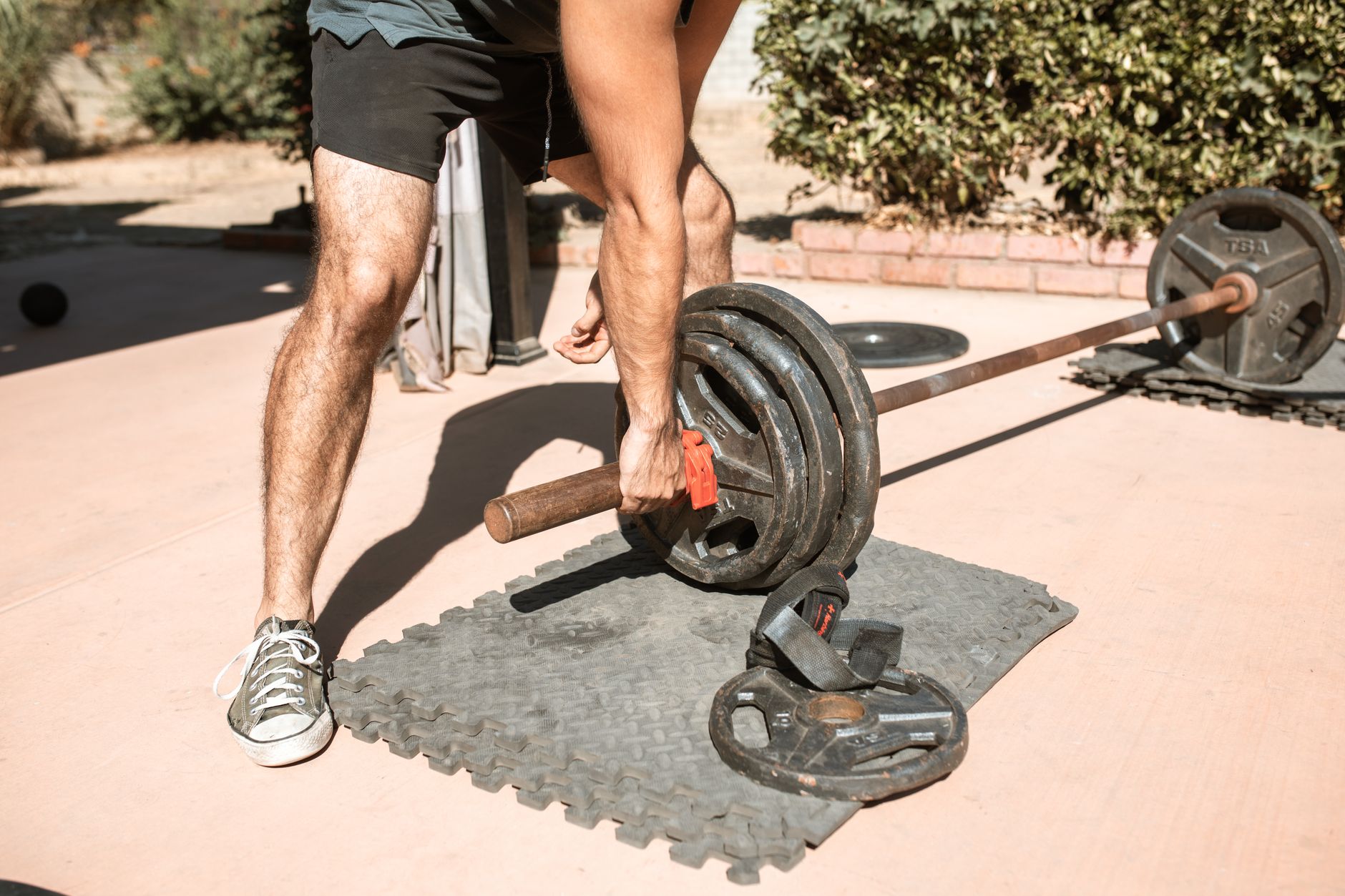
Embarking on a weight training journey can seem daunting, especially if you're new to it. But the truth is, building strength and toning your body is achievable for everyone, regardless of age or current fitness level. Weight training, also known as resistance or strength training, offers a wealth of benefits that go beyond just building muscles. It strengthens your bones and joints, supports a healthy metabolism by helping you burn more calories even at rest, and can significantly improve your overall well-being. For older adults, it’s a powerful tool to combat age-related muscle loss and maintain mobility. The best part? You don’t need a gym membership to start. Your own body weight, some simple equipment like resistance bands, or a basic set of dumbbells can be enough to get you going.
This guide is designed to help you understand the fundamentals of weight training, provide you with practical advice, and suggest exercises to get you started safely and effectively. We’ll cover what you need, how to perform exercises correctly, and how to progress as you get stronger.
The advantages of incorporating weight training into your routine are numerous. Here’s a closer look at what you stand to gain:
The good news is that you don’t need a lot of fancy equipment to begin. Here are a few options:
Your body is your first and most accessible piece of equipment. Exercises like push-ups, squats, lunges, and planks use your own body weight for resistance. This is a fantastic way to learn fundamental movements and build a base level of strength.
These elastic bands come in various strengths and are incredibly versatile, portable, and affordable (typically ranging from ₹700 to ₹4,000). They can be used for a wide range of exercises, mimicking many dumbbell movements and adding resistance to bodyweight exercises.
For those ready to add external weight, dumbbells are a great starting point. You can begin with a lighter set or even adjustable dumbbells, which allow you to change the weight as you get stronger. A beginner set can range from ₹2,000 upwards, depending on the weight and adjustability.
Similar to dumbbells, kettlebells add weight to your exercises. They are particularly good for dynamic, full-body movements like kettlebell swings.
If you prefer a gym environment, you'll find a variety of resistance machines, free weights (dumbbells, barbells), and other equipment. Many gyms offer introductory sessions with trainers.
Starting any new fitness routine requires a smart approach to prevent injury and ensure progress. Here’s how to begin:
If possible, consider working with a certified personal trainer, even for a few sessions. They can teach you proper form, help you create a personalized program, and ensure you’re using the equipment safely. Many gyms offer introductory packages, and online trainers are also an option.
Never skip your warm-up! A good warm-up increases blood flow to your muscles, preparing them for exercise and reducing injury risk. Aim for 5-10 minutes of light aerobic activity like jogging in place, jumping jacks, or brisk walking. Dynamic stretches like arm circles and leg swings are also beneficial.
This is perhaps the most critical advice for beginners. Choose a weight that allows you to complete 10-15 repetitions with good form. If you can easily do more than 15 reps, the weight is too light. If you struggle to complete 10, it's too heavy. Proper form is more important than lifting heavy weight. Watch videos, use mirrors, or have a trainer guide you.
What is a repetition (rep)? A rep is a single complete movement of an exercise (e.g., one squat).
What is a set? A set is a group of repetitions. For beginners, aim for 1-2 sets of 8-12 repetitions per exercise. As you get stronger, you can gradually increase to 3 sets or more.
Allow at least 60 seconds of rest between sets. This helps your muscles recover and prevents excessive fatigue, allowing you to maintain good form for the next set.
Once you can comfortably complete your target sets and reps (e.g., 3 sets of 12 reps) with good form, it’s time to increase the challenge. Gradually increase the weight by about 2-10% or add an extra repetition or set. Don’t rush this process; consistency and proper form are key.
Here are a few fundamental exercises you can start with. Remember to focus on form!
Stand with your feet shoulder-width apart. Lower your hips as if sitting in a chair, keeping your chest up and back straight. Go as low as comfortable, then push back up to the starting position. If using dumbbells, hold one in each hand.
Start in a plank position. Lower your chest towards the floor, keeping your body in a straight line. Push back up. If standard push-ups are too challenging, perform them on your knees.
Step forward with one leg, lowering your hips until both knees are bent at approximately a 90-degree angle. Your front knee should be directly above your ankle, and your back knee should hover just above the floor. Push off your front foot to return to the starting position. Alternate legs. Hold dumbbells for added resistance.
Place your right knee and right hand on a bench or stable surface, keeping your back straight and parallel to the floor. Hold a dumbbell in your left hand, letting it hang towards the floor. Pull the dumbbell up towards your chest, squeezing your shoulder blade. Lower it with control. Complete reps on one side, then switch.
Stand or sit with a dumbbell in each hand, palms facing forward. Keeping your elbows close to your sides, curl the weights up towards your shoulders. Slowly lower them back down.
Hold a push-up position, but rest on your forearms instead of your hands. Keep your body in a straight line from head to heels. Engage your core. Hold for as long as you can maintain good form (start with 20-30 seconds).
Meet Priya, a 35-year-old homemaker who wants to get fitter but feels intimidated by the gym. She starts by doing bodyweight squats and push-ups on her knees at home three times a week. After a month, she notices she can do more reps and feels stronger. She then buys a set of light dumbbells and resistance bands, incorporating dumbbell rows and bicep curls into her routine, gradually increasing the weight and resistance as she progresses.
While weight training is generally safe, it’s always wise to consult your doctor before starting a new exercise program, especially if you have any pre-existing health conditions, such as heart problems, high blood pressure, joint issues, or have recently had surgery. They can advise on any specific precautions you need to take.
For beginners, 2-3 non-consecutive days per week is a good starting point. This allows your muscles adequate time to recover and rebuild.
You might start feeling stronger within a few weeks, but visible changes in muscle tone and definition typically take 1-3 months of consistent training. Everyone's body responds differently.
For most women, it’s very difficult to become
Overall, early action and medically verified advice remain the safest approach.
Visit Hospital
Near You
Find trusted general surgery care in Budge Budge. Explore leading hospitals for effective treatments and expert surgical teams.
May 19, 2026
Find advanced COPD treatment in Kolkata at Ruby General Hospital. Our pulmonology experts offer personalized care and effective therapies.
May 19, 2026

Discover metabolic conditioning (metcon), an efficient workout style that boosts fitness by combining moderate and high-intensity exercises. Learn how it works, its benefits, and how to get started safely.
April 1, 2026