

Emergency & Help
24/7 Emergency & General Advisory
🚨 24/7 Medical Emergency
Non-Emergency Advisory
10:00 AM – 6:00 PM, Mon–Sat
For appointments & general queries.
24/7 Emergency & General Advisory
🚨 24/7 Medical Emergency
Non-Emergency Advisory
10:00 AM – 6:00 PM, Mon–Sat
For appointments & general queries.
Learn how to safely work towards your first handstand with this step-by-step guide, including essential warm-ups, drills, and tips for building strength and balance.
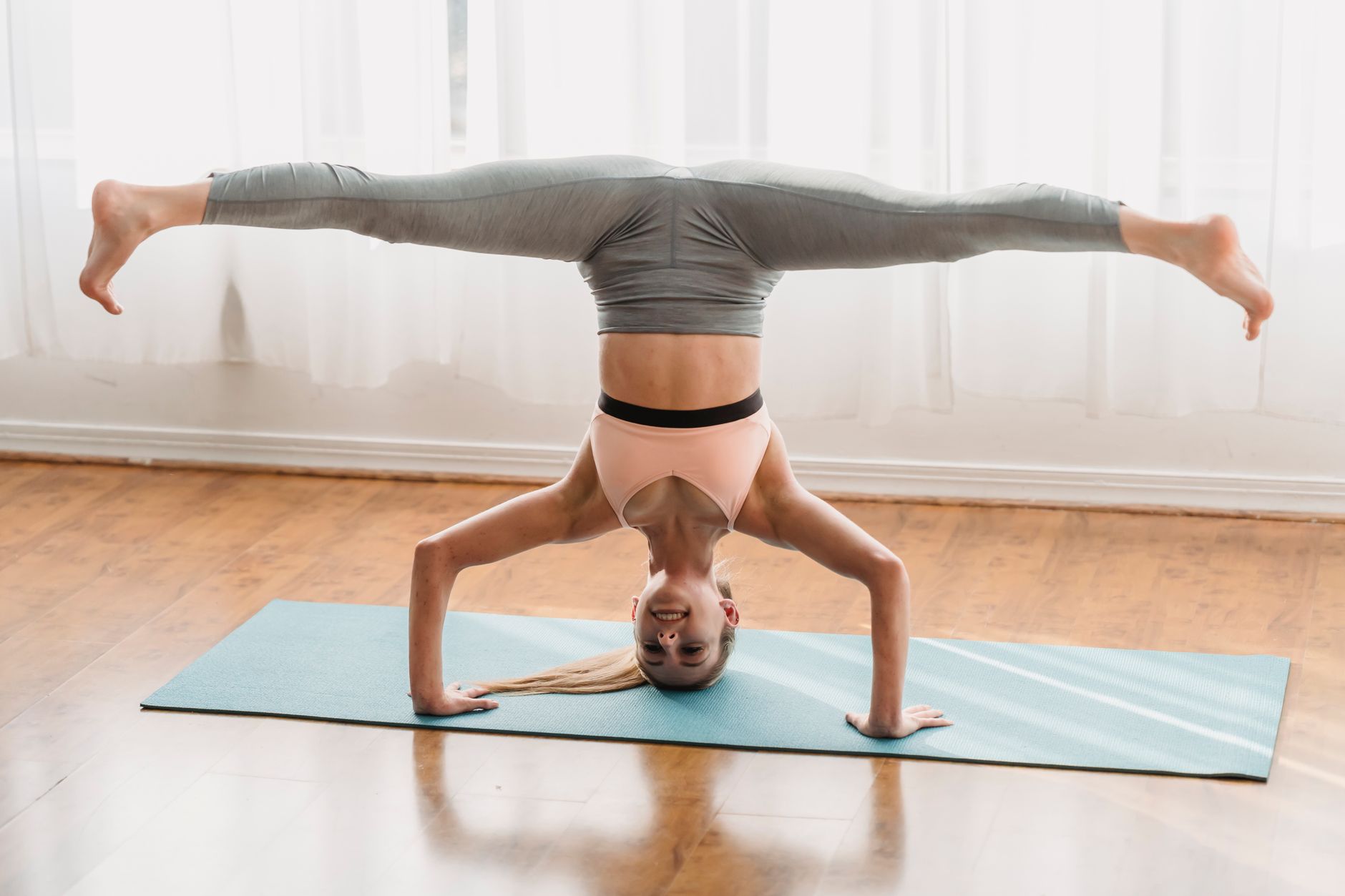
The handstand, a seemingly gravity-defying pose, is a goal for many fitness enthusiasts. It's not just about strength; it's a beautiful blend of balance, core control, and body awareness. While it might look intimidating, with consistent practice and the right approach, you can work your way up to achieving a stable handstand. This guide will break down the process, offering practical steps and variations suitable for all levels.
Before diving into the 'how,' let's explore the 'why.' Handstands offer a wealth of benefits that go beyond just an impressive pose:
Before you even think about kicking up, it's vital to build a solid foundation. This involves strengthening the key muscle groups and getting your body accustomed to being inverted.
Always start with a thorough warm-up to prepare your wrists, shoulders, and core. Include:
Your wrists are your foundation. They need to be strong and flexible enough to support your weight. Practice gentle wrist stretches and consider incorporating exercises like:
We'll move through a series of exercises designed to gradually build the strength, balance, and confidence needed for a handstand. Remember, consistency is key, and every day is different. Return to these moves often, especially when they feel right for your body.
This exercise helps you get used to putting weight on your hands while lifting one leg. It mimics the initial phase of a handstand kick-up.
This drill builds shoulder strength and coordination. It helps you understand how to move your weight over your hands.
This is a more dynamic movement, practicing the 'kick-up' to handstand. Start with small hops.
Props can be invaluable tools for building confidence and mastering the mechanics of a handstand safely.
The wall is your best friend when learning to handstand. This method helps you find the alignment and understand the balance point.
This variation helps you get used to being fully upside down with the wall providing a safety net.
For those looking for supported inversion practice, aerial yoga slings or TRX suspension trainers can be excellent tools. These can help you get accustomed to being upside down and build strength in a controlled environment. If you're new to these, consider attending a beginner aerial yoga class where an instructor can guide you.
Once you feel more comfortable with the drills and supported handstands, you can start combining elements and refining your technique.
Always focus on actively engaging your core. Imagine pulling your belly button towards your spine. This is what keeps you stable and prevents your hips from sagging.
The balance point in a handstand is found by slightly adjusting the pressure in your fingertips and palms. If you feel like you're falling forward, press more into your fingertips. If you feel like you're falling backward, press more into the heels of your palms.
Mastering the handstand is a journey, not a race. Dedicate consistent time to your practice, even if it's just 10-15 minutes a few times a week. Celebrate small victories along the way!
Fear of Falling: This is the most common hurdle. Using the wall as a spotter and practicing controlled kick-ups will gradually reduce this fear.
Wrist Pain: Ensure you are warming up properly and gradually increasing the time you spend bearing weight on your hands. If pain persists, consult a healthcare professional.
Lack of Core Strength: Focus on core-strengthening exercises like planks, hollow holds, and leg raises in your regular routine.
While handstands offer many benefits, it's essential to listen to your body. Consult a doctor or physical therapist if you experience:
A healthcare professional can provide personalized advice and ensure you are practicing safely.
This varies greatly depending on your starting fitness level, consistency of practice, and technique. Some may achieve a stable handstand in a few weeks, while for others, it might take months or even a year. Focus on progress, not just the end goal.
That's perfectly normal! Focus on mastering the preparatory drills like Downward Dog leg lifts and controlled hops. Building strength and body awareness is more important than achieving a full handstand immediately.
Yes, absolutely! With a clear space, a wall for support, and a yoga mat, you have all you need to begin your handstand journey safely.
When performed correctly, with your neck in a neutral position and your weight distributed across your hands and shoulders, handstands are generally safe for the neck. Avoid crunching your neck or looking directly forward. Your ears should be in line with your upper arms.
Visit Hospital
Near You
Find trusted general surgery care in Budge Budge. Explore leading hospitals for effective treatments and expert surgical teams.
May 19, 2026
Find advanced COPD treatment in Kolkata at Ruby General Hospital. Our pulmonology experts offer personalized care and effective therapies.
May 19, 2026

Discover metabolic conditioning (metcon), an efficient workout style that boosts fitness by combining moderate and high-intensity exercises. Learn how it works, its benefits, and how to get started safely.
April 1, 2026