

Emergency & Help
24/7 Emergency & General Advisory
🚨 24/7 Medical Emergency
Non-Emergency Advisory
10:00 AM – 6:00 PM, Mon–Sat
For appointments & general queries.
24/7 Emergency & General Advisory
🚨 24/7 Medical Emergency
Non-Emergency Advisory
10:00 AM – 6:00 PM, Mon–Sat
For appointments & general queries.
Discover the causes of runner's itch, a common post-workout annoyance, and learn effective prevention and relief strategies for Indian readers. Includes symptoms, remedies, and when to see a doctor.
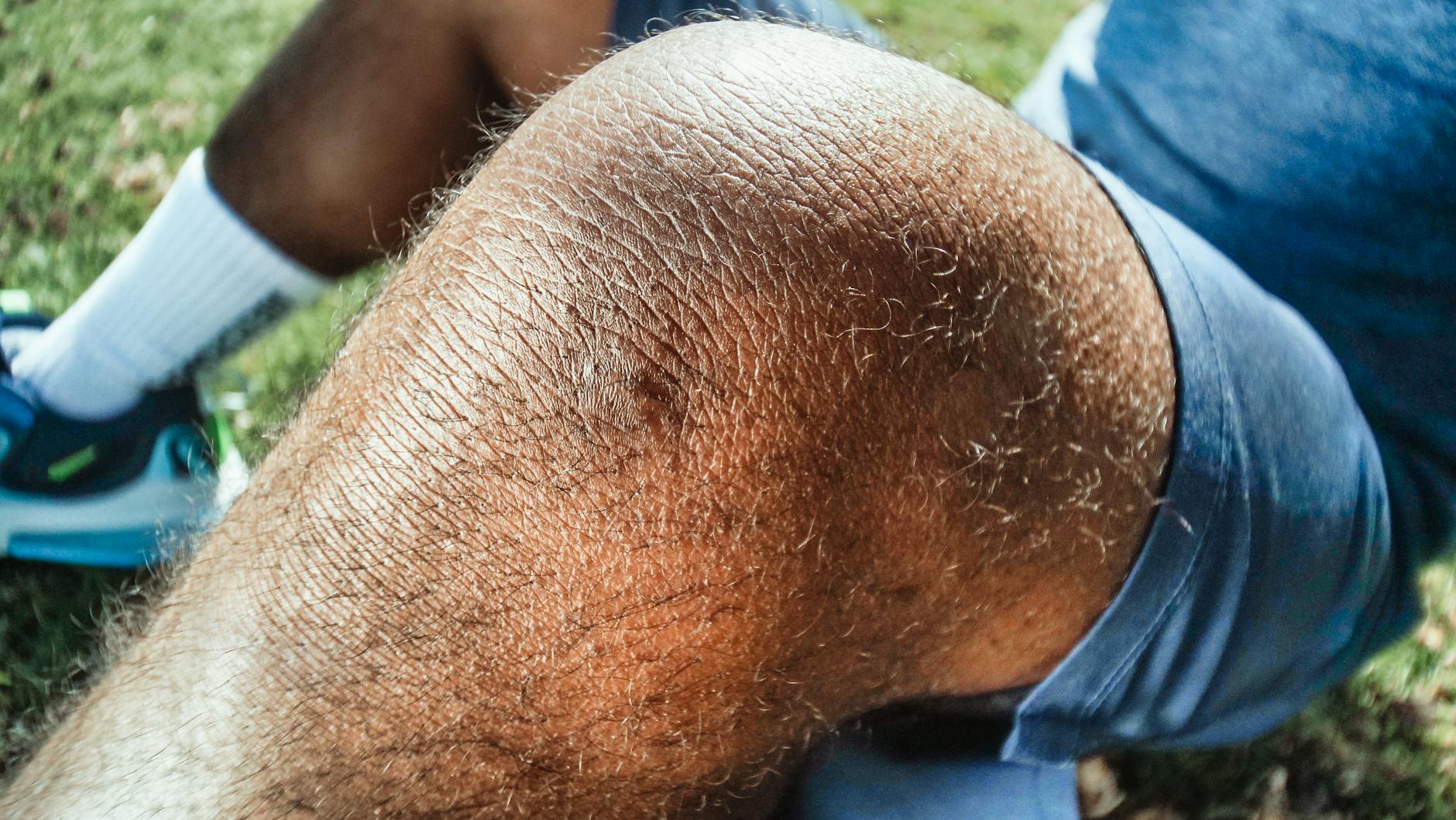
You've just finished a great workout, feeling the endorphins and the satisfaction of a job well done. But then it hits: an uncomfortable, sometimes intense, itchiness that seems to come out of nowhere, particularly on your legs or stomach. This common phenomenon, often called 'runner's itch,' can be baffling and downright annoying, threatening to derail your post-exercise glow. But don't let it! Understanding what causes runner's itch and how to manage it can make a world of difference to your fitness journey.
Runner's itch is the term used to describe a general feeling of itchiness that affects your skin, often on the legs and stomach, during or after strenuous physical activity, especially running. It's not a sign of a serious medical condition in most cases, but it can certainly be a distraction. The sensation can range from a mild tickle to an unbearable urge to scratch.
Several factors can contribute to that uncomfortable itchy feeling. Let's explore the common culprits:
When you start exercising, your body works harder to deliver oxygen and nutrients to your muscles. This means your heart rate increases, and your blood vessels, particularly the capillaries and arteries, expand to accommodate the surge in blood flow. This expansion stimulates nerve cells in your skin, and research suggests that exercise might prompt the release of histamine. Histamine, a compound your body uses for immune responses, can cause blood vessels to widen, leading to that characteristic itchy sensation. It’s not usually an allergic reaction but rather a physiological response to increased activity.
If you have naturally dry skin, or if your skin tends to get dry, you might be more susceptible to runner's itch. The combination of sweat and dry skin can exacerbate irritation. Additionally, the friction from your clothing, especially if it's not made of breathable, moisture-wicking material, can contribute to discomfort. Even the laundry detergents or fabric softeners you use can play a role if your skin is sensitive to them. Always opt for gentle, hypoallergenic laundry products and wear workout clothes designed to manage moisture.
Sometimes, the itchiness is accompanied by red, raised welts or hives on the skin. This is known as exercise-induced urticaria. It's a more pronounced allergic-type reaction that can occur during or after intense exercise, particularly in extreme weather conditions. While it’s often benign, if hives appear alongside severe stinging, burning, or pain, it's important to seek medical advice.
This condition, sometimes called golfer's vasculitis or hiker's rash, is an inflammatory response in the small blood vessels of the skin, often appearing on the lower legs and thighs. You might notice red patches, purple spots, and swelling. The itchiness can be intense and accompanied by stinging and burning sensations. Genetics can play a role in susceptibility, and while it usually resolves on its own within a few days, it can be quite uncomfortable.
This is less common and typically seen in endurance athletes like marathon runners or those undertaking long hikes, especially in warm weather. It manifests as small blood spots (petechiae) on the lower legs, usually in areas not compressed by socks. Thankfully, these spots typically heal within a few days without intervention.
If you've been inactive for a while and are just starting to get back into your running routine, your body might react with itchiness. As your body adapts to the increased demands, the intensity of the itching usually subsides. Consistency is key here!
For most people, runner's itch is a temporary annoyance. However, there are times when you should consult a doctor:
The good news is that you can often prevent or significantly reduce runner's itch with a few smart strategies:
The most effective long-term strategy is to maintain a regular exercise schedule. As your body becomes accustomed to the physical demands, the frequency and intensity of runner's itch tend to decrease. Gradually increase your intensity and duration rather than jumping into very strenuous workouts immediately.
Keeping your skin well-hydrated is essential. Apply a good quality, fragrance-free moisturizer to your legs and other affected areas, especially if you have dry skin. Doing this before your run can create a protective barrier.
Opt for moisture-wicking fabrics for your workout clothes. These materials help draw sweat away from your skin, reducing friction and irritation. Avoid tight-fitting clothing that can chafe, and ensure your laundry products are gentle and suitable for sensitive skin.
For some individuals, wearing compression stockings or sleeves can improve circulation in the legs. Elevating your legs for about 15 minutes a few times a day can also aid circulation and potentially reduce discomfort.
If you feel the itch starting, don't push through it aggressively. Slow down, take a short break, or reduce your intensity. Sometimes, simply pausing for a few minutes is enough to let your body regulate.
When runner's itch strikes, these home remedies can offer quick relief:
Priya, a young professional, recently started her fitness journey with a goal to run a 5K. Every time she increased her mileage, her legs would become incredibly itchy, sometimes to the point where she'd stop her run. She was worried she might be allergic to running! After reading about runner's itch, she started moisturizing her legs well before her runs and switched to moisture-wicking socks and shorts. She also made sure to gradually increase her distance. The itching significantly reduced, allowing her to enjoy her runs without the unbearable urge to scratch.
While most cases of runner's itch are manageable at home, it's wise to consult a doctor if:
Your doctor can help diagnose the specific cause of your discomfort and recommend appropriate medical treatments if necessary.
In most cases, runner's itch is not dangerous. It's typically a temporary and uncomfortable sensation caused by physiological responses to exercise. However, if accompanied by severe symptoms like hives, swelling, or difficulty breathing, it can indicate a more serious condition that requires medical attention.
While complete prevention isn't always possible for everyone, you can significantly reduce its occurrence and intensity through consistent exercise, proper hydration, moisturizing, wearing appropriate clothing, and managing your workout intensity. Listening to your body is key.
The itchiness often subsides shortly after you stop exercising or within an hour or two. For conditions like exercise-induced vasculitis, symptoms might last a few days.
Strenuous exercises that significantly increase heart rate and blood flow, like running, cycling, or hiking, are more commonly associated with runner's itch. The intensity and duration of the exercise play a role.
Visit Hospital
Near You
Find trusted general surgery care in Budge Budge. Explore leading hospitals for effective treatments and expert surgical teams.
May 19, 2026
Find advanced COPD treatment in Kolkata at Ruby General Hospital. Our pulmonology experts offer personalized care and effective therapies.
May 19, 2026

Discover metabolic conditioning (metcon), an efficient workout style that boosts fitness by combining moderate and high-intensity exercises. Learn how it works, its benefits, and how to get started safely.
April 1, 2026