

Emergency & Help
24/7 Emergency & General Advisory
🚨 24/7 Medical Emergency
Non-Emergency Advisory
10:00 AM – 6:00 PM, Mon–Sat
For appointments & general queries.
24/7 Emergency & General Advisory
🚨 24/7 Medical Emergency
Non-Emergency Advisory
10:00 AM – 6:00 PM, Mon–Sat
For appointments & general queries.
Learn about SLAP tear surgery, a procedure to repair injured shoulder cartilage. Understand symptoms, causes, surgical options, recovery, risks, and when to seek medical advice.
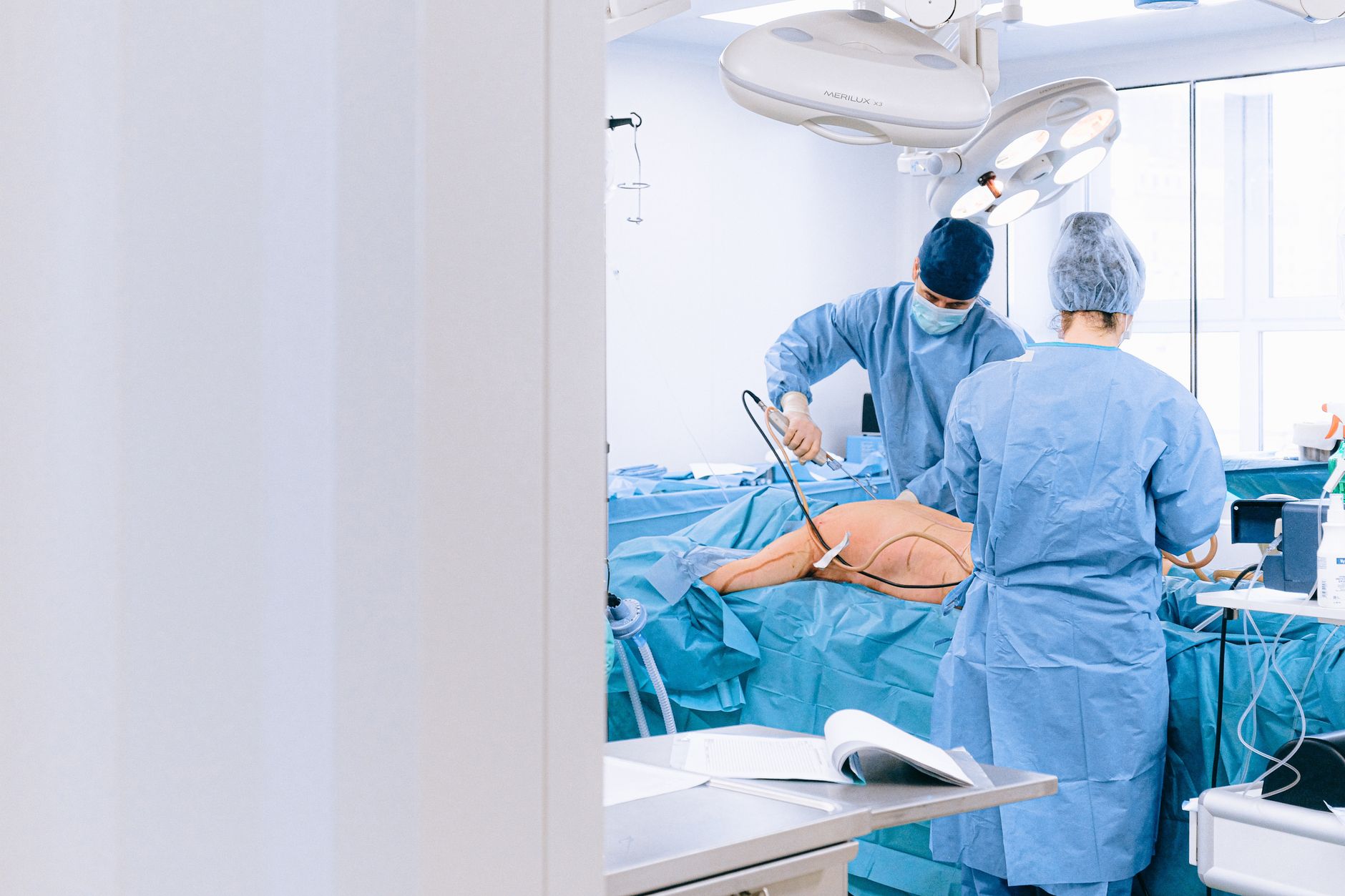
A SLAP tear refers to an injury in the superior labrum, the part of your shoulder cartilage that anchors the biceps tendon. This tear can lead to shoulder instability and pain, significantly impacting daily activities and sports. While conservative treatments like rest, physical therapy, and medications are often the first line of defense, surgery becomes a necessary option for severe or persistent injuries. This guide delves into SLAP tear surgery, exploring its effectiveness, potential risks, and what patients can expect throughout the recovery process.
The labrum is a ring of soft cartilage that lines the shoulder joint, acting like a bumper or suction cup to keep the 'ball' (humeral head) of the shoulder joint securely in its socket. A SLAP tear occurs when this cartilage is injured at its top (superior) portion, often involving the point where the biceps tendon attaches to the labrum. This can cause the labrum to become unstable, leading to pain, clicking, popping, or a feeling of the shoulder giving way.
The symptoms of a SLAP tear can vary in intensity and may include:
Doctors typically recommend SLAP tear surgery when non-surgical treatments have failed to provide relief or when the tear is severe and causing significant instability. If conservative measures such as rest, ice, anti-inflammatory medications, and physical therapy do not alleviate the pain and functional limitations, surgical intervention may be considered. The decision for surgery is individualized and based on the patient's symptoms, the nature of the tear, and their activity level and goals.
SLAP tear surgery is most commonly performed using arthroscopy, a minimally invasive technique that involves small incisions and specialized instruments. This allows surgeons to visualize the joint with a camera and repair the damage with minimal disruption to surrounding tissues. The main types of SLAP tear surgery include:
This is the most common type of SLAP tear surgery. It involves:
In cases where the torn labrum is frayed or has small, unstable fragments, a debridement procedure may be performed. This involves carefully shaving away the damaged portions of the labrum to create a smoother surface and remove sources of pain and catching. This is often considered for degenerative tears or in older patients where repair may not be as successful.
The biceps tendon is closely associated with SLAP tears. In some cases, the surgeon may choose to detach the biceps tendon from its attachment point on the labrum (tenotomy) or detach and reattach it lower down the arm (tenodesis). This can help reduce pain and tension on the labrum, especially if the biceps tendon itself is damaged or contributing to the symptoms.
Leading up to the procedure, your doctor will conduct a thorough physical examination to assess your shoulder's range of motion and stability. Imaging tests, such as X-rays or MRI scans, may be ordered to get a clear picture of the tear. In the days before surgery, you may be advised to:
The surgery is typically performed under general anesthesia. The surgeon will make small incisions through which the arthroscope and surgical instruments are inserted. The torn labrum is then repaired or debrided as necessary. The procedure usually takes between 1 to 2 hours.
Following the surgery, your arm will likely be placed in a sling to immobilize the shoulder and protect the repair. You will be given pain medication to manage discomfort. The initial recovery period, lasting about 2 to 6 weeks, requires keeping the shoulder immobilized and adhering strictly to your doctor's instructions regarding medication and wound care.
Recovery from SLAP tear surgery is a gradual process that requires patience and commitment to physical therapy. The timeline can vary depending on the extent of the tear and the type of surgery performed.
During this phase, the focus is on pain management, reducing swelling, and protecting the surgical repair. The shoulder remains immobilized in a sling. Gentle passive range of motion exercises may be introduced by your physical therapist to prevent stiffness.
Once the initial healing has progressed, your physical therapist will begin introducing active range of motion exercises and begin strengthening the muscles around the shoulder, including the rotator cuff. This phase is crucial for regaining functional use of the arm.
As strength and range of motion improve, more advanced exercises will be incorporated to prepare you for a return to your normal activities, including sports. Your doctor will advise when it is safe to resume specific activities, which can take several months, depending on the demands of the sport or activity.
The success rate of SLAP tear surgery can vary, with studies indicating success rates ranging from 70% to 95% for repair surgeries. The effectiveness often depends on factors such as the type and severity of the tear, the patient's age, the surgeon's skill, and adherence to the rehabilitation protocol. While many patients experience significant pain relief and improved function, it's important to note that some may require further shoulder surgery. For instance, a 2020 study found that about 11.5% of individuals who underwent SLAP repair needed another shoulder surgery within three years.
While SLAP tear surgery is generally considered safe, like any surgical procedure, it carries potential risks and side effects. These can include:
Your surgeon will discuss these risks in detail with you before the procedure.
The cost of SLAP tear surgery can vary significantly depending on factors such as the type of procedure, the hospital or facility where it is performed, geographic location, and insurance coverage. A 2021 study indicated that the cost can range from approximately $15,000 to $40,000.
While not all SLAP tears can be prevented, certain measures can help reduce the risk:
You should consult a doctor if you experience any of the following:
Early diagnosis and appropriate management can lead to better outcomes and potentially avoid the need for surgery.
Visit Hospital
Near You
Find trusted general surgery care in Budge Budge. Explore leading hospitals for effective treatments and expert surgical teams.
May 19, 2026
Find advanced COPD treatment in Kolkata at Ruby General Hospital. Our pulmonology experts offer personalized care and effective therapies.
May 19, 2026

Discover metabolic conditioning (metcon), an efficient workout style that boosts fitness by combining moderate and high-intensity exercises. Learn how it works, its benefits, and how to get started safely.
April 1, 2026