

Emergency & Help
24/7 Emergency & General Advisory
🚨 24/7 Medical Emergency
Non-Emergency Advisory
10:00 AM – 6:00 PM, Mon–Sat
For appointments & general queries.
24/7 Emergency & General Advisory
🚨 24/7 Medical Emergency
Non-Emergency Advisory
10:00 AM – 6:00 PM, Mon–Sat
For appointments & general queries.
Discover the incredible benefits of squats for building lower body strength, improving core stability, boosting metabolism, and enhancing daily functional movements. Learn proper form and variations for a stronger, healthier you.
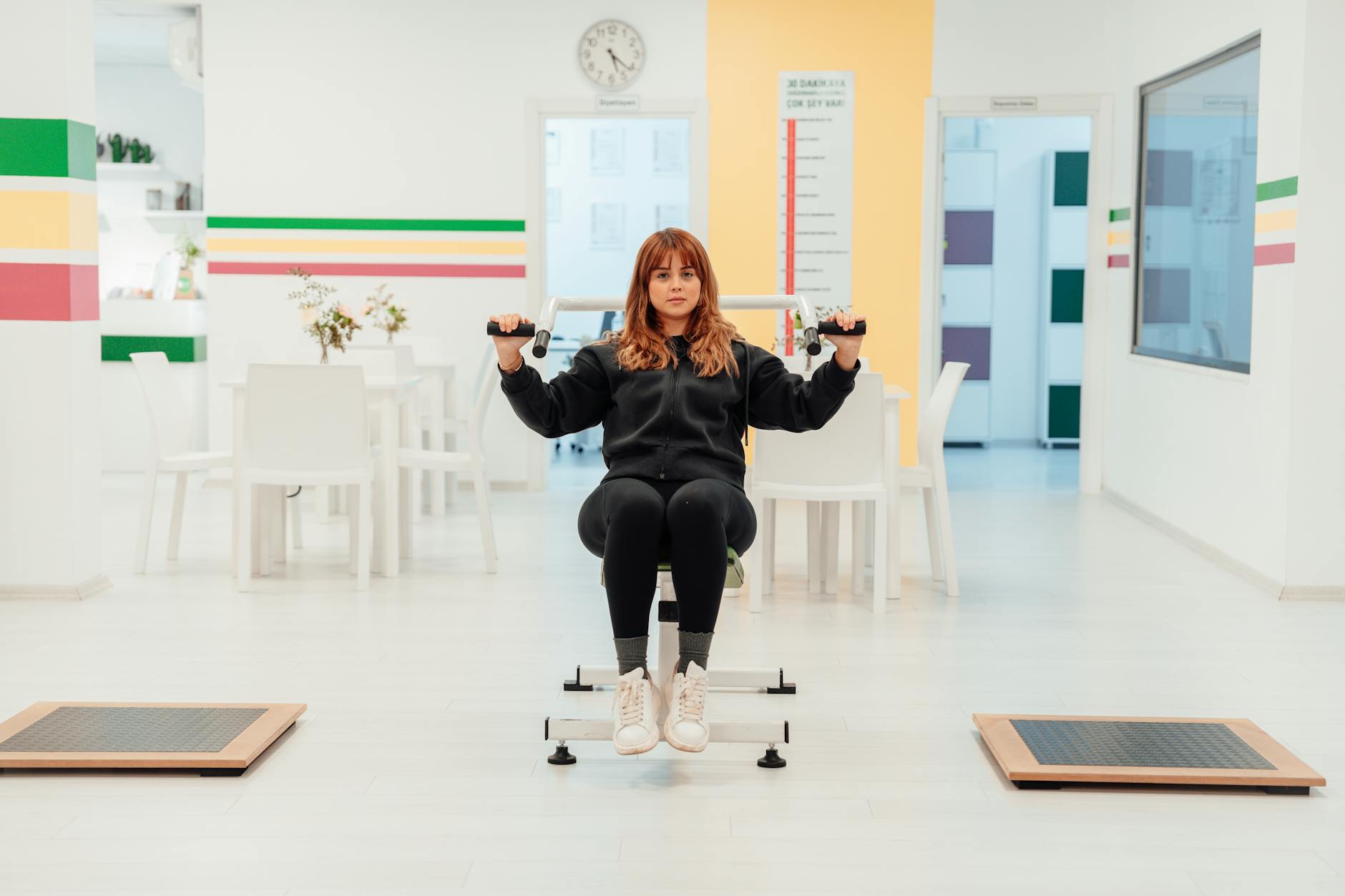
When we think about getting fit, many of us imagine complex gym routines or long hours on the treadmill. But what if I told you that one of the most effective, fundamental exercises for building strength, improving your overall fitness, and making everyday tasks easier is something you probably did naturally as a child? We’re talking about the humble squat.
The squat is a foundational human movement. Think about how babies often squat to pick up toys – they instinctively know how to do it perfectly. Unfortunately, as we grow, many of us unlearn this natural motion, often adopting a habit of bending at the waist instead of using our legs and hips. This can lead to back strain and inefficient movement patterns. Fortunately, it’s never too late to relearn and harness the incredible benefits of the squat.
This dynamic strength training exercise engages multiple muscle groups simultaneously, both in your lower body and your core. It’s a compound movement, meaning it works several joints and muscles together. This integrated action not only builds muscle but also improves coordination and functional strength – the kind of strength that helps you navigate your daily life with greater ease and less risk of injury.
Squats are more than just a leg exercise; they are a full-body conditioner when performed correctly. They challenge your muscles to work in harmony, mimicking natural movements like walking, climbing stairs, bending down to pick something up, or carrying groceries. By incorporating squats into your routine, you’re not just building bigger muscles; you’re building a more resilient, capable body.
Let's explore the specific advantages that make squats an indispensable part of any fitness regimen:
The most obvious beneficiaries of squats are the muscles in your legs and glutes. These include your:
Stronger legs and glutes mean you can walk further, climb stairs more easily, and have more power for activities like running or jumping.
Don't underestimate the core-engaging power of squats! To maintain an upright posture and stable torso during the movement, your abdominal muscles (rectus abdominis, obliques, transverse abdominis) and back muscles (erector spinae) work hard. A study from 2018 highlighted that back squats actually led to greater activation of the muscles that support your back compared to planks. A strong core is vital for preventing back pain, improving balance, and transferring power efficiently throughout your body.
As a compound exercise that recruits large muscle groups, squats are excellent for burning calories. The more muscle mass you build, the higher your resting metabolic rate becomes, meaning you burn more calories even when you're not exercising. For instance, a person weighing around 70 kg (155 pounds) can burn approximately 223 calories in 30 minutes of vigorous strength training, which includes exercises like squats. Incorporating squats can significantly contribute to weight management goals.
Athletes across various sports rely on the power and explosiveness generated by strong legs and a stable core. Squats improve agility, power, and speed. A 2016 study showed that performing jump squats three times a week for eight weeks significantly improved athletic performance. Whether you're playing cricket, football, or simply want to be more dynamic in your movements, squats build the functional strength you need.
The coordinated effort required to perform a squat strengthens the muscles that help you maintain balance. This is particularly important as we age, reducing the risk of falls. Furthermore, by strengthening your core and improving the alignment of your spine, squats contribute to better posture. Standing taller and more aligned not only looks good but also reduces strain on your back and neck.
When performed with proper form, squats strengthen the muscles, tendons, and ligaments around your knees, hips, and ankles. This increased stability and strength can help protect these joints from injury during everyday activities and sports. A strong lower body and core act as a shock absorber, reducing the impact on your joints.
Think about the simple act of sitting down and standing up from a chair. This is essentially a squat! Squats make these everyday movements smoother and less taxing. Carrying heavy bags, lifting children, or even just walking up a flight of stairs becomes easier when your muscles are conditioned through squatting.
Getting your squat form right is paramount to reaping its benefits and avoiding injury. If you're new to squats, consider working with a qualified trainer initially. However, here’s a breakdown of the basic bodyweight squat (also known as an air squat):
How many reps and sets? A good starting point is 10–15 repetitions for 3 sets. Gradually increase as you get stronger.
Consider Mrs. Sharma, a 65-year-old grandmother who found it increasingly difficult to get up from her favourite armchair without feeling a strain in her knees and lower back. She started incorporating 3 sets of 10-12 bodyweight squats into her daily routine, focusing on her form. Within a few weeks, she noticed she could stand up from chairs much more easily, and the familiar ache in her back began to subside. She felt more confident and less fearful of everyday movements.
Once you've mastered the basic squat, you can explore variations to increase the challenge and target muscles differently. These can include:
Remember, when adding weights or progressing to more advanced variations, proper form remains the top priority. Using resistance bands or yoga balls can also add a different dimension to your squats.
Even if you're incredibly busy, you can still benefit from squats. Try the 50-squat challenge: perform 25 squats in the morning and 25 in the evening. As you build strength, you can gradually add 25 more squats, perhaps in the afternoon.
While squats are generally safe and beneficial, it's wise to consult a healthcare professional if you:
A doctor or physiotherapist can assess your individual needs, help correct any imbalances, and guide you on the safest way to incorporate squats into your fitness plan.
Q1: How low should I squat?
A: You should squat as low as you can comfortably go without compromising your form. This means keeping your back straight, chest up, and heels on the floor. For some, this might be parallel to the floor, while for others, it might be slightly higher.
Q2: Should my knees go past my toes?
A: The common advice to
Overall, early action and medically verified advice remain the safest approach.
Visit Hospital
Near You
Find trusted general surgery care in Budge Budge. Explore leading hospitals for effective treatments and expert surgical teams.
May 19, 2026
Find advanced COPD treatment in Kolkata at Ruby General Hospital. Our pulmonology experts offer personalized care and effective therapies.
May 19, 2026

Discover metabolic conditioning (metcon), an efficient workout style that boosts fitness by combining moderate and high-intensity exercises. Learn how it works, its benefits, and how to get started safely.
April 1, 2026