

Emergency & Help
24/7 Emergency & General Advisory
🚨 24/7 Medical Emergency
Non-Emergency Advisory
10:00 AM – 6:00 PM, Mon–Sat
For appointments & general queries.
24/7 Emergency & General Advisory
🚨 24/7 Medical Emergency
Non-Emergency Advisory
10:00 AM – 6:00 PM, Mon–Sat
For appointments & general queries.
Discover how rear lateral raises can transform your shoulder strength, improve posture, and enhance upper body definition. Learn the proper technique, variations, and safety tips for this effective exercise.
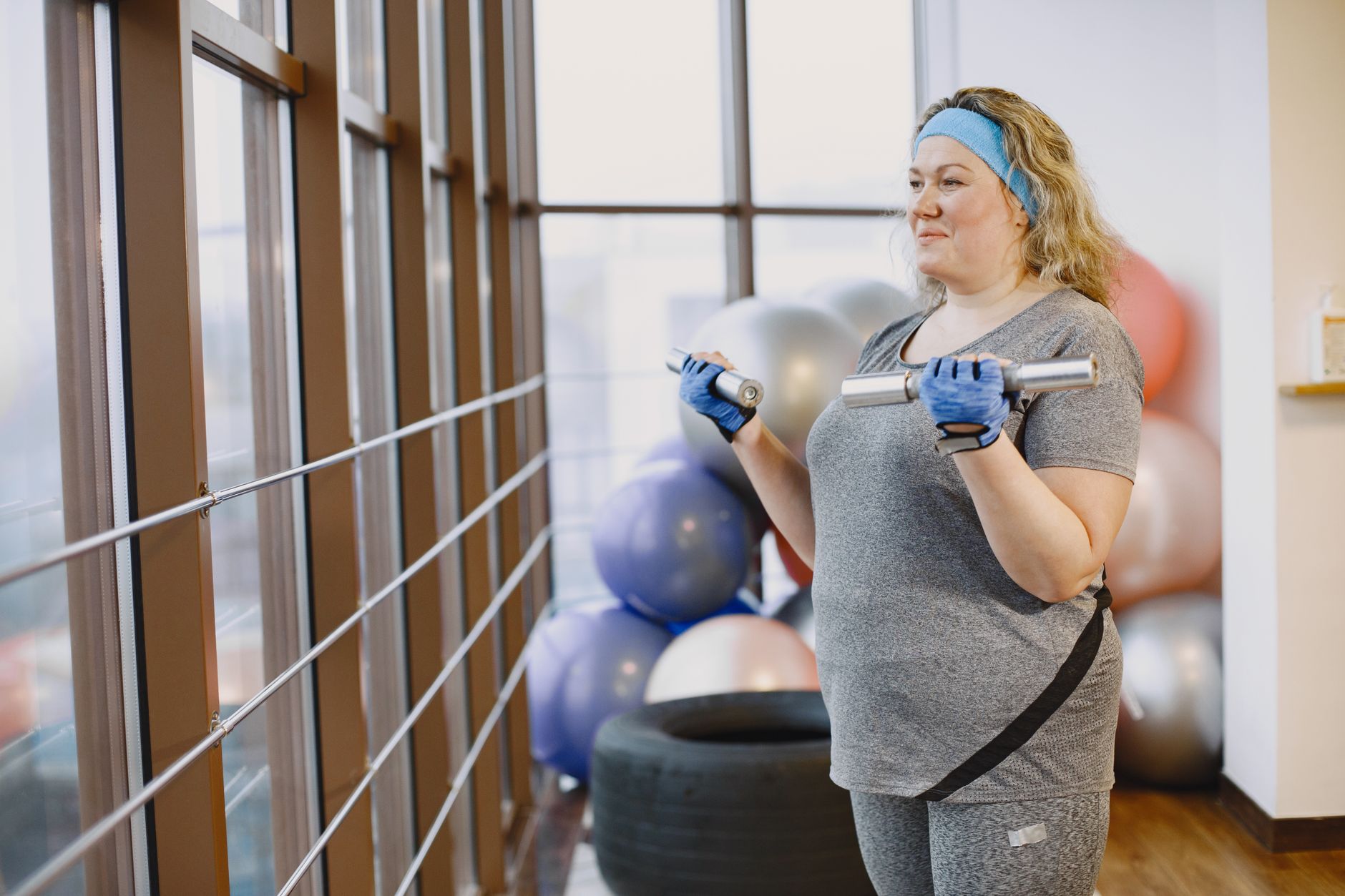
Are you looking to enhance your shoulder strength, improve your posture, and add definition to your upper body? The rear lateral raise, also known as the bent-over lateral raise, is a fantastic exercise that targets the muscles on the back of your shoulders, known as the rear deltoids. These often-neglected muscles play a vital role in shoulder health, posture, and overall upper body aesthetics. This exercise not only builds muscle in your shoulders but also engages other important muscles like your trapezius and rhomboids, contributing to a stronger, more balanced physique. What are Rear Lateral Raises? The rear lateral raise is a weightlifting exercise performed with dumbbells. It involves hinging at your hips to bring your torso nearly parallel to the floor, then raising your arms out to the sides. This movement specifically targets and strengthens the posterior deltoids, the muscles located at the rear of your shoulder joint. While the primary focus is on the rear deltoids, the exercise also effectively works the trapezius and rhomboids, muscles located in your upper back. Why are Rear Deltoids Important? Often overshadowed by the more visible front and side deltoids, the rear deltoids are crucial for several reasons. They help balance the shoulder joint, prevent injuries, and are essential for good posture. When these muscles are weak, it can lead to rounded shoulders, poor posture, and an increased risk of shoulder impingement. Strengthening them contributes to a more aesthetically pleasing, balanced upper body physique and supports better movement patterns in everyday activities and sports. Muscles Worked by Rear Lateral Raises The primary muscles that benefit from rear lateral raises are: Posterior Deltoids: These are the main target, responsible for extending the arm backward and external rotation of the shoulder. Trapezius: This large muscle in the upper back helps with shoulder blade retraction and stability. Rhomboids: Located between the shoulder blades, these muscles also aid in retracting and rotating the shoulder blades, playing a key role in posture. Rotator Cuff Muscles: These smaller muscles surrounding the shoulder joint get activated to stabilize the shoulder during the movement. By engaging these muscles, rear lateral raises contribute to overall shoulder health and upper body strength. Benefits of Incorporating Rear Lateral Raises Adding rear lateral raises to your workout routine offers a range of advantages: Improved Posture: By strengthening the muscles that pull your shoulder blades back, this exercise helps counteract the effects of slouching and promotes an upright posture. Enhanced Shoulder Strength and Stability: A balanced development of all three deltoid heads leads to stronger, more stable shoulders, reducing the risk of injuries. Increased Upper Body Definition: Well-developed rear deltoids contribute to a fuller, more balanced look of the shoulders and upper back. Easier Daily and Athletic Movements: Stronger shoulder and upper back muscles make everyday tasks like reaching, lifting, and carrying objects easier. They also improve performance in sports that involve overhead movements or pushing and pulling actions. Injury Prevention: Balanced shoulder muscles help prevent common injuries like rotator cuff tears and shoulder impingement syndrome. Consider this scenario: Maya, an office worker, noticed her shoulders rounding forward and felt a persistent ache in her upper back. She realized her desk job was impacting her posture. After learning about rear lateral raises, she started incorporating them into her weekly routine, focusing on controlled movements. Within a few months, she felt a significant improvement in her posture and a reduction in her back pain. How to Perform Standing Rear Lateral Raises Proper form is essential to maximize the benefits and prevent injuries. Here’s a step-by-step guide: Starting Position: Stand with your feet hip-width apart, knees slightly bent. Hold a dumbbell in each hand with your palms facing each other. Let your arms hang down alongside your body. Hinge at the Hips: Keeping your back straight and core engaged, hinge forward at your hips. Your torso should be almost parallel to the floor. Ensure your spine is elongated, not rounded. Elbow Bend: Maintain a slight, consistent bend in your elbows throughout the exercise. Avoid locking your elbows. Raise the Weights: With your shoulder blades drawn back and down, raise the dumbbells out to the sides. Move your arms in an arc until your elbows reach shoulder height. Your pinky finger should be slightly higher than your thumb at the top of the movement, creating a slight internal rotation. Control the Descent: Slowly and with control, lower the dumbbells back to the starting position. Avoid letting gravity take over. Repetitions and Sets: Aim for 3 to 5 sets of 12 to 20 repetitions. Focus on the mind-muscle connection, feeling the contraction in your rear deltoids. Variations of Rear Lateral Raises If the standing version feels challenging or you want to add variety, consider these modifications: Seated Rear Lateral Raises This variation can help isolate the shoulder muscles by reducing the involvement of the lower body and core for stabilization. Sit on the edge of a flat bench or sturdy chair. Hold dumbbells in each hand, letting them hang towards the floor. Hinge forward at your hips, keeping your back straight and core engaged, until your torso is nearly parallel to the floor. Perform the lateral raise as described for the standing version. Prone Rear Lateral Raise on an Incline Bench Using an incline bench helps maintain alignment and prevents momentum from taking over, ensuring you truly work the target muscles. Lie facedown on an incline bench, with your chest firmly pressed against the pad. Hold dumbbells in each hand, allowing your arms to hang straight down. Maintain a slight bend in your elbows and raise the weights out to the sides until they reach shoulder height. Slowly lower the weights back down. If you don’t have an incline bench, you can simulate this by resting your forehead on a high table or sturdy box, ensuring your head doesn't move during the exercise. Important Safety Precautions and Tips To get the most out of rear lateral raises and stay injury-free, keep these points in mind: Choose the Right Weight: Don’t use weights that are too heavy. Sacrificing form for heavier weight will not effectively target your rear deltoids and can lead to injury. It’s better to use lighter weights and perform more controlled repetitions. Maintain Proper Form: Focus on controlled movements. Avoid swinging the weights or using momentum to lift them. Your body should remain relatively still. Engage Your Shoulder Blades: Actively draw your shoulder blades back and down, and squeeze them together at the top of the movement. This ensures you’re using the correct muscles. Control the Descent: Lowering the weights slowly is just as important as lifting them. This controlled eccentric phase builds muscle and strength. Keep Your Back Straight: If you notice your lower back rounding, bend your knees more or slightly raise your torso. A neutral spine is key. Elbow Position: A slight bend in the elbows should be maintained throughout. Avoid locking your elbows. Movement Path: Move your upper arms in a path perpendicular to your torso to ensure you are primarily engaging the shoulder muscles, not your back or lats. Rest and Recovery: Allow one to two days of rest between rear lateral raise sessions to give your muscles time to recover and rebuild. Incorporate rest days for other muscle groups on alternate days, and ensure at least one full rest day per week. When to Consult a Doctor or Physical Therapist While rear lateral raises are generally safe when performed correctly, it’s wise to seek professional advice in certain situations: Existing Shoulder Pain: If you currently experience shoulder pain, consult a doctor or physical therapist before attempting this exercise. They can help identify the cause of your pain and recommend appropriate modifications or alternative exercises. Previous Shoulder Injury: If you have a history of shoulder dislocations, rotator cuff tears, or other significant shoulder injuries, it’s crucial to get clearance from a healthcare professional before resuming or starting this exercise. Persistent Discomfort: If you experience sharp or persistent pain during or after performing rear lateral raises, stop the exercise and consult a healthcare provider. Difficulty with Form: If you struggle to maintain proper form despite trying to follow instructions, a physical therapist can provide personalized guidance and correct any movement dysfunctions. A physical therapist can also help you integrate rear lateral raises into a rehabilitation program if you are recovering from an injury. Frequently Asked Questions (FAQs) Q1: How often should I do rear lateral raises? You can perform rear lateral raises 1-3 times per week, ensuring you have at least one to two days of rest between sessions targeting the same muscle group. This allows for adequate muscle recovery and growth. Q2: Can I do rear lateral raises without weights? Yes, you can perform them using resistance bands or even just bodyweight by focusing on the squeezing motion of your shoulder blades. However, using light dumbbells is generally more effective for muscle hypertrophy. Q3: What if I don't feel my rear deltoids working? Ensure you are hinging properly with your torso almost
In summary, timely diagnosis, evidence-based treatment, and prevention-focused care improve long-term health outcomes.
Visit Hospital
Near You
Find trusted general surgery care in Budge Budge. Explore leading hospitals for effective treatments and expert surgical teams.
May 19, 2026
Find advanced COPD treatment in Kolkata at Ruby General Hospital. Our pulmonology experts offer personalized care and effective therapies.
May 19, 2026

Discover metabolic conditioning (metcon), an efficient workout style that boosts fitness by combining moderate and high-intensity exercises. Learn how it works, its benefits, and how to get started safely.
April 1, 2026