

Emergency & Help
24/7 Emergency & General Advisory
🚨 24/7 Medical Emergency
Non-Emergency Advisory
10:00 AM – 6:00 PM, Mon–Sat
For appointments & general queries.
24/7 Emergency & General Advisory
🚨 24/7 Medical Emergency
Non-Emergency Advisory
10:00 AM – 6:00 PM, Mon–Sat
For appointments & general queries.
Understand average 5K times for Indian runners, factors influencing them, and practical tips for improvement. Learn about training, nutrition, and when to consult a doctor.
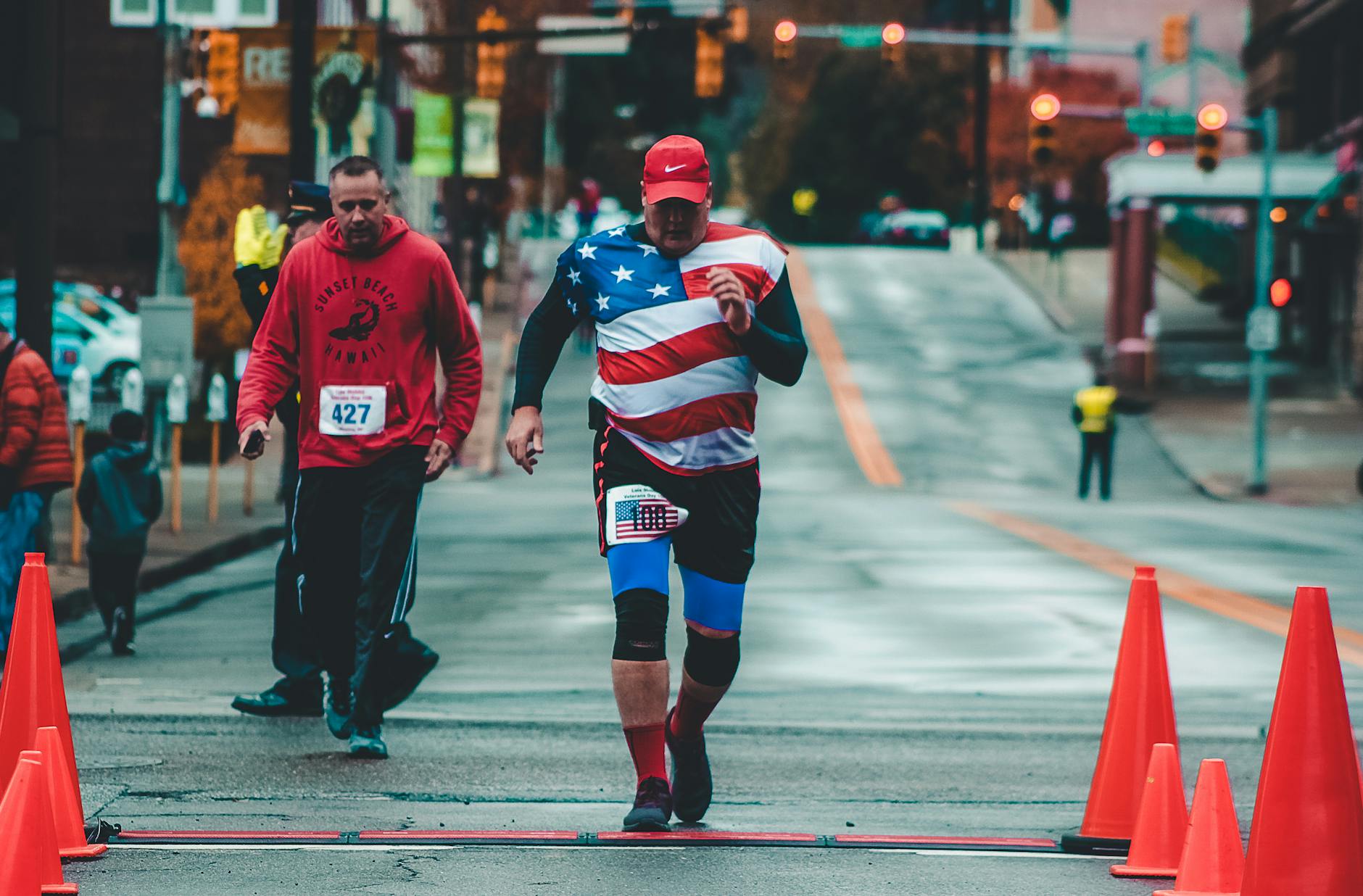
What is a 5K Run? A 5K run, which is equivalent to 5 kilometers or approximately 3.1 miles, is a popular and accessible running distance. It serves as a common goal for both seasoned runners and those just starting their fitness journey. In India, as globally, the popularity of running events, including 5Ks, has surged, encouraging more people to embrace an active lifestyle. While the act of completing a 5K is a significant achievement in itself, it's natural to be curious about how your finishing time compares to the average. This guide aims to provide insights into average 5K times, considering various factors that influence them, and offers practical tips for Indian runners to improve their performance. Factors Affecting 5K Times It's crucial to understand that there isn't a single, universally applicable 'average' 5K time. Several factors can significantly influence how quickly you complete the distance. These include: Age: Younger runners generally tend to have faster times than older runners due to physiological differences. Sex Assigned at Birth: On average, males tend to have faster 5K times than females, though this is a generalization and individual performance varies greatly. Fitness Level: A person's current cardiovascular fitness, muscular strength, and running experience play a pivotal role. Regular training leads to improved times. Terrain: Running on a flat, smooth surface like a road will typically result in faster times compared to a hilly, uneven, or trail course. Environmental Conditions: Factors such as temperature, humidity, wind, and even altitude can impact your running performance. Extreme heat or humidity, for instance, can slow you down. Training and Pacing Strategy: How you train and the strategy you employ during the race (e.g., starting too fast) can greatly affect your finish time. Average 5K Times: A General Guideline While precise data for India might be limited, global statistics provide a useful benchmark. Globally, the average 5K time often falls between 30 to 40 minutes. For more specific averages: Beginner Runners: Aiming for a time between 30 to 40 minutes is a realistic goal for many beginners. This often translates to a pace of about 9 to 13 minutes per mile (1.6 km). Intermediate Runners: Those with some running experience might aim for times between 25 to 30 minutes. Advanced Runners: Experienced runners often complete a 5K in under 25 minutes, with elite runners finishing in close to 15-17 minutes. It's important to remember that these are general averages. Your personal progress and enjoyment of running are far more important than hitting a specific time. Tips for Improving Your 5K Time Whether you're a beginner aiming to finish or an experienced runner looking to shave off seconds, here are some practical tips tailored for Indian runners: 1. Consistent Training is Key Regularity is more important than intensity when starting. Aim to run 3-4 times a week. Gradually increase your distance and intensity as your body adapts. 2. Incorporate Interval Training Once you have a base level of fitness, introduce interval training. This involves alternating between high-intensity bursts of running and periods of rest or slower jogging. For example, run fast for 1 minute, then jog for 2 minutes, and repeat this cycle several times. This helps improve speed and cardiovascular capacity. 3. Strength Training and Cross-Training Strengthening your core, legs, and glutes can improve your running form, power, and endurance. Consider incorporating exercises like squats, lunges, planks, and glute bridges. Cross-training activities like swimming, cycling, or Pilates can also enhance your overall fitness without the impact of running, aiding in injury prevention. 4. Focus on Nutrition and Hydration A balanced diet is crucial for energy and recovery. Ensure your meals include lean proteins, complex carbohydrates, healthy fats, fruits, and vegetables. Stay well-hydrated throughout the day, especially before, during, and after runs. For runs longer than an hour, consider electrolyte replacement. 5. Proper Pacing Learn to pace yourself. Avoid starting the race too fast, as this can lead to early fatigue. Many runners find it beneficial to run the first kilometer slightly slower than their target pace, the middle kilometers at their target pace, and the final kilometer with an increased effort if energy permits. 6. Listen to Your Body Rest and recovery are as important as the runs themselves. Overtraining can lead to injuries and burnout. Ensure you get adequate sleep and take rest days when needed. Pay attention to any pain signals and don't push through sharp or persistent discomfort. 7. Run on Varied Terrain While flat surfaces are faster, incorporating some runs on gentle inclines or varied terrain can build strength and improve your running economy. Treadmills can also be useful for controlled interval training. 8. Track Your Progress Use a running app or a simple journal to log your runs, distances, times, and how you felt. Monitoring your progress can be highly motivating and helps identify areas for improvement. When to Consult a Doctor While running a 5K is generally safe, it's always wise to consult a doctor before starting any new strenuous exercise program, especially if you have any pre-existing health conditions such as heart disease, diabetes, or respiratory issues. Seek medical advice if you experience: Chest pain or discomfort during or after exercise. Severe shortness of breath. Dizziness or lightheadedness. Persistent joint or muscle pain that doesn't improve with rest. Irregular heartbeats. Your doctor can provide personalized advice based on your health status. Conclusion The journey of running a 5K is a
In summary, timely diagnosis, evidence-based treatment, and prevention-focused care improve long-term health outcomes.
Visit Hospital
Near You
Find trusted general surgery care in Budge Budge. Explore leading hospitals for effective treatments and expert surgical teams.
May 19, 2026
Find advanced COPD treatment in Kolkata at Ruby General Hospital. Our pulmonology experts offer personalized care and effective therapies.
May 19, 2026

Discover metabolic conditioning (metcon), an efficient workout style that boosts fitness by combining moderate and high-intensity exercises. Learn how it works, its benefits, and how to get started safely.
April 1, 2026