

Emergency & Help
24/7 Emergency & General Advisory
🚨 24/7 Medical Emergency
Non-Emergency Advisory
10:00 AM – 6:00 PM, Mon–Sat
For appointments & general queries.
24/7 Emergency & General Advisory
🚨 24/7 Medical Emergency
Non-Emergency Advisory
10:00 AM – 6:00 PM, Mon–Sat
For appointments & general queries.
Learn about inpatient stroke rehabilitation programs, their goals, the skills they help relearn, and the multidisciplinary team involved in recovery.
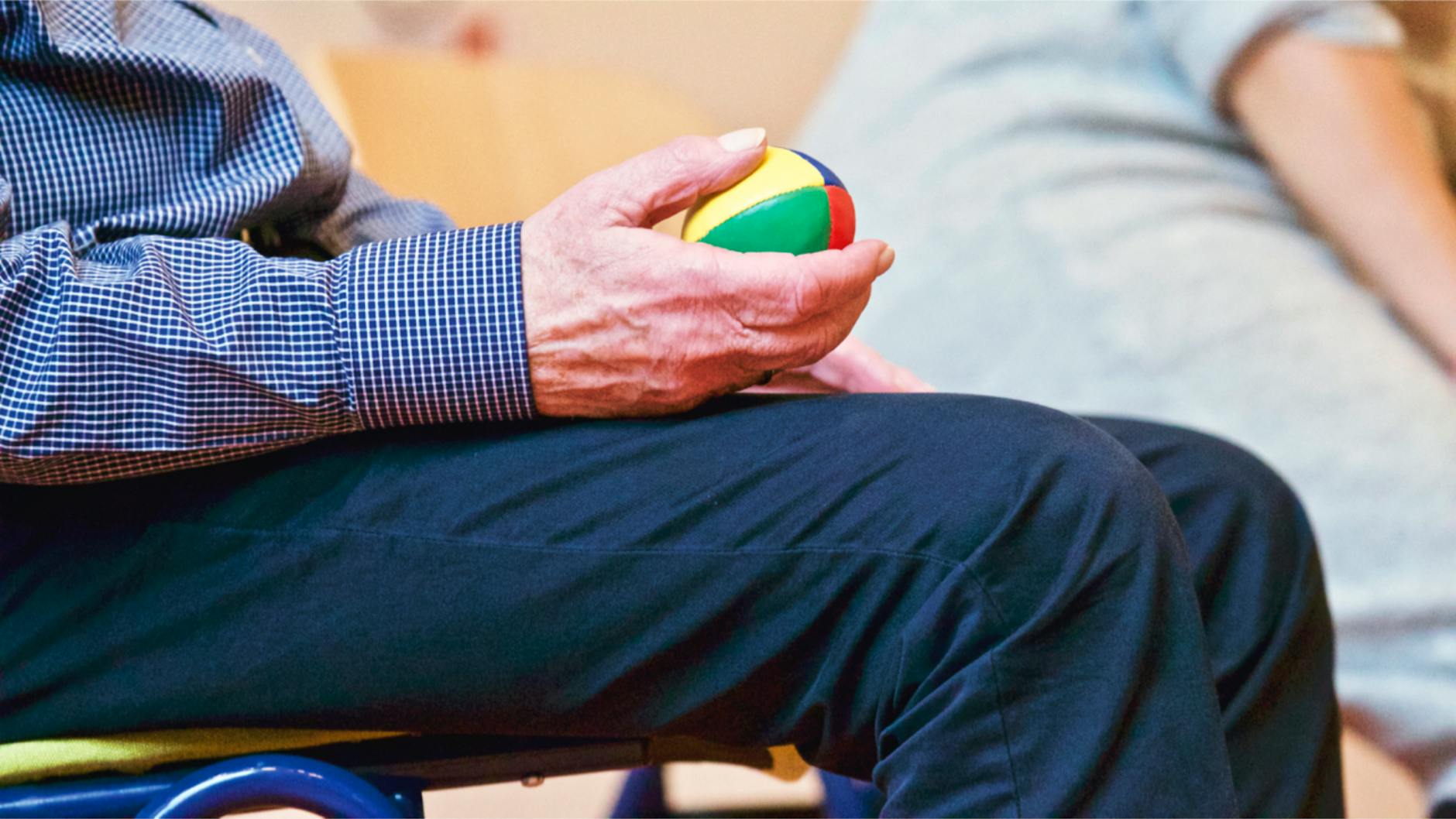
A stroke can be a life-altering event, significantly impacting a person's physical, cognitive, and emotional well-being. Fortunately, stroke rehabilitation programs offer a structured path towards recovery, helping individuals regain independence and improve their quality of life. Among these, inpatient stroke rehabilitation programs provide a comprehensive, hospital-level care setting for recent stroke survivors who require intensive therapy and round-the-clock medical supervision by a rehabilitation physician. This type of rehabilitation begins once a patient is medically stable, typically within 24 to 48 hours after a stroke, and usually involves a stay of 2 to 3 weeks, though this can vary based on individual needs and progress.
The primary objective of inpatient stroke rehabilitation is to help patients recover as much function as possible and enhance their overall quality of life. The program is tailored to address the specific impairments caused by the stroke, whether they affect movement, speech, thinking, or emotional state. Key goals include:
Inpatient stroke rehabilitation involves a multidisciplinary team of specialists working collaboratively to help patients relearn and improve a wide range of skills. This team typically includes:
Inpatient stroke rehabilitation is intensive, often requiring patients to engage in approximately 3 hours of therapy per day, 5 days a week. This high level of engagement is crucial for maximizing recovery within a concentrated period. The program is designed to be challenging yet achievable, with the rehabilitation team continuously assessing the patient's progress and adjusting the treatment plan accordingly. The duration of stay is individualized, typically ranging from 2 to 3 weeks, but can be extended if the patient requires more intensive care or has complex needs.
Not all stroke survivors require inpatient rehabilitation. The decision to admit a patient to an inpatient program depends on several factors, including the severity of the stroke, the extent of physical and cognitive impairments, and the patient's overall medical stability. Generally, individuals who need more than a few days of acute hospital care and can tolerate and benefit from intensive therapy are good candidates. It is important to note that inpatient rehabilitation is distinct from skilled nursing facilities (SNFs), which offer less intensive therapy (around 1-2 hours per day) and may be suitable for those who need ongoing medical support but are not yet ready for home.
If you or someone you know has experienced a stroke, it is crucial to seek immediate medical attention. Following the acute phase of stroke care, discuss rehabilitation options with your medical team. If you notice any signs of stroke recurrence, such as sudden numbness or weakness, confusion, trouble speaking or understanding, vision problems, or severe headache, call emergency services immediately.
Inpatient stroke rehabilitation programs play a vital role in the recovery journey of stroke survivors. By providing intensive, multidisciplinary care in a supportive hospital setting, these programs empower individuals to regain lost functions, adapt to new challenges, and work towards a more independent and fulfilling life. The journey of recovery is ongoing, and with the right support and dedication, significant progress can be made.
Visit Hospital
Near You
Find trusted general surgery care in Budge Budge. Explore leading hospitals for effective treatments and expert surgical teams.
May 19, 2026
Find advanced COPD treatment in Kolkata at Ruby General Hospital. Our pulmonology experts offer personalized care and effective therapies.
May 19, 2026

Discover metabolic conditioning (metcon), an efficient workout style that boosts fitness by combining moderate and high-intensity exercises. Learn how it works, its benefits, and how to get started safely.
April 1, 2026