

Emergency & Help
24/7 Emergency & General Advisory
🚨 24/7 Medical Emergency
Non-Emergency Advisory
10:00 AM – 6:00 PM, Mon–Sat
For appointments & general queries.
24/7 Emergency & General Advisory
🚨 24/7 Medical Emergency
Non-Emergency Advisory
10:00 AM – 6:00 PM, Mon–Sat
For appointments & general queries.
Learn what muscular strength is, its benefits for daily life in India, and how to build it effectively with simple exercises and the right training approach. Includes practical tips and FAQs.
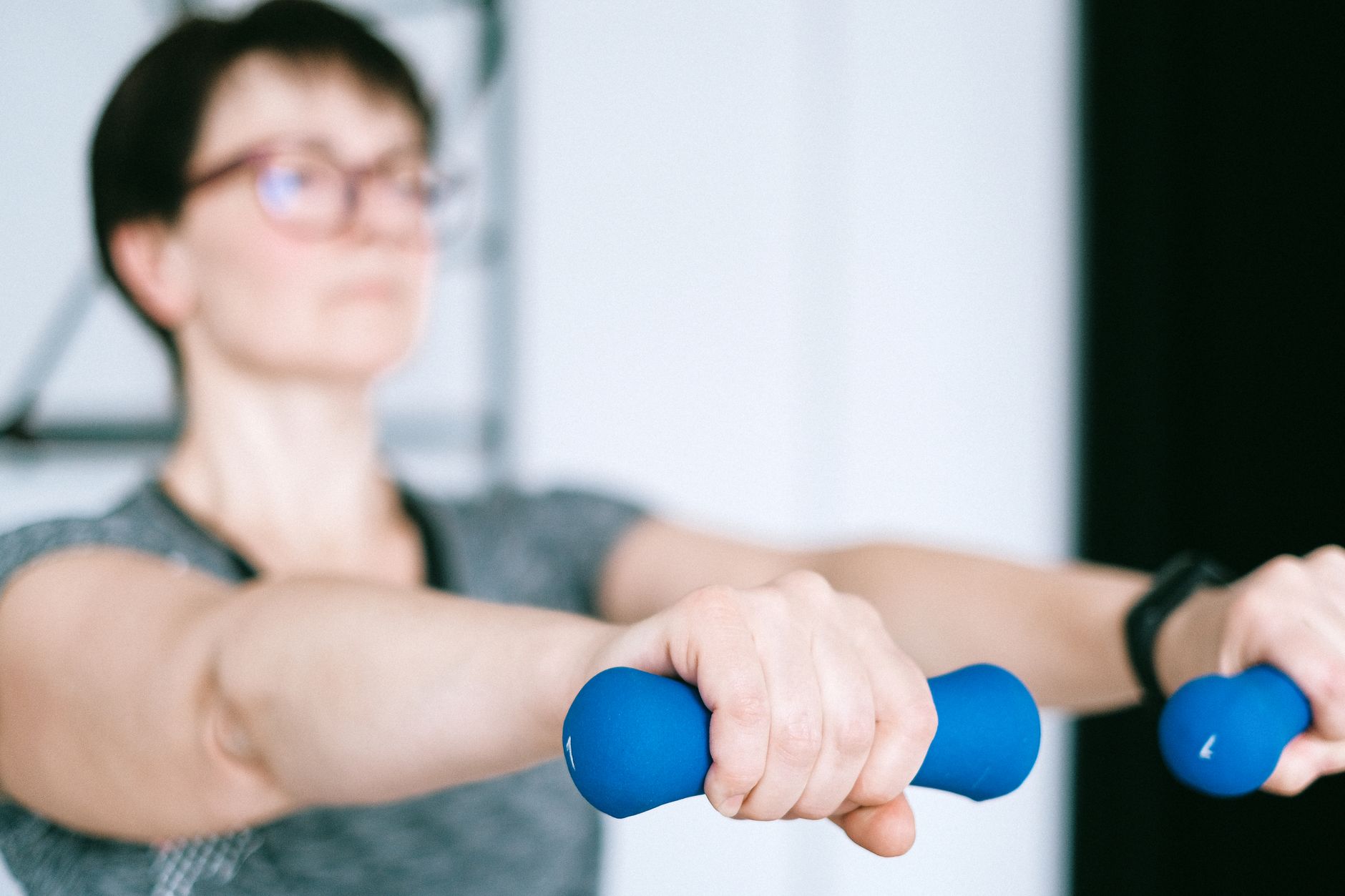
In India, where an active lifestyle is often a part of daily routines, from navigating bustling markets to participating in traditional sports, understanding and building muscular strength is paramount. It's not just about lifting heavy weights in a gym; it's about enhancing your body's ability to perform everyday tasks with ease and reducing the risk of injuries. This guide will walk you through what muscular strength is, why it matters for your health, and how you can effectively build it, even with a busy schedule.
Simply put, muscular strength is your muscles' capacity to exert maximum force against resistance. Think of it as the power your muscles can produce in a single effort. This is different from muscular endurance, which is about how long your muscles can keep working without getting tired. For instance, when you lift a heavy grocery bag in one go, you're using muscular strength. When you carry that bag all the way home, you're using muscular endurance.
Building strong muscles offers a wealth of benefits that extend far beyond aesthetics. For us in India, where active living is common, these benefits are even more pronounced:
The key to building muscular strength is to challenge your muscles beyond their usual limits. This involves using resistance that makes your muscles work harder, even if it means performing fewer repetitions.
Resistance training is the most effective way to build muscular strength. This can be achieved through various methods:
To focus on strength, aim for:
Here are a few effective exercises to get you started:
How to do it:
To increase intensity: Hold dumbbells or a barbell at chest level.
How to do it:
Easier modification: Perform push-ups on your knees.
How to do it:
While resistance training is primary, activities like running, cycling, and climbing hills also contribute to overall strength and power development.
Consider Mrs. Sharma, a 55-year-old homemaker from Delhi. She found it increasingly difficult to lift her grandchild and felt easily fatigued when doing household chores. After starting a simple strength training routine focusing on squats and push-ups twice a week, she noticed a significant difference within two months. She could now lift her grandchild without strain and had more energy throughout the day. This improved her quality of life and reduced her fear of falling.
Before starting any new exercise program, especially if you have pre-existing health conditions, it's wise to consult your doctor. A qualified fitness trainer can also help you design a safe and effective program tailored to your needs and goals. They can ensure you're using correct form to prevent injuries.
For building strength, aim to work major muscle groups at least two times per week, with at least one day of rest in between for recovery.
Absolutely! Bodyweight exercises, resistance bands, and even household items can be used effectively to build strength at home.
Strength is about maximum force production (lifting heavy, few reps), while endurance is about sustained muscle activity (lifting lighter, many reps or holding for a long time).
Some muscle soreness, especially when you're starting or increasing intensity, is normal. However, sharp or persistent pain is not. Listen to your body and rest if needed.
In summary, building muscular strength is an achievable and highly beneficial goal for everyone. By incorporating the right exercises and understanding the principles of training, you can unlock a stronger, more resilient, and healthier version of yourself. Start today, and feel the difference!
Visit Hospital
Near You
Find trusted general surgery care in Budge Budge. Explore leading hospitals for effective treatments and expert surgical teams.
May 19, 2026
Find advanced COPD treatment in Kolkata at Ruby General Hospital. Our pulmonology experts offer personalized care and effective therapies.
May 19, 2026

Discover metabolic conditioning (metcon), an efficient workout style that boosts fitness by combining moderate and high-intensity exercises. Learn how it works, its benefits, and how to get started safely.
April 1, 2026