

Emergency & Help
24/7 Emergency & General Advisory
🚨 24/7 Medical Emergency
Non-Emergency Advisory
10:00 AM – 6:00 PM, Mon–Sat
For appointments & general queries.
24/7 Emergency & General Advisory
🚨 24/7 Medical Emergency
Non-Emergency Advisory
10:00 AM – 6:00 PM, Mon–Sat
For appointments & general queries.
Discover the benefits of stretching your abdominal muscles and learn effective techniques like Cobra Pose and Cat-Cow stretch to improve flexibility, prevent back pain, and boost your core strength.
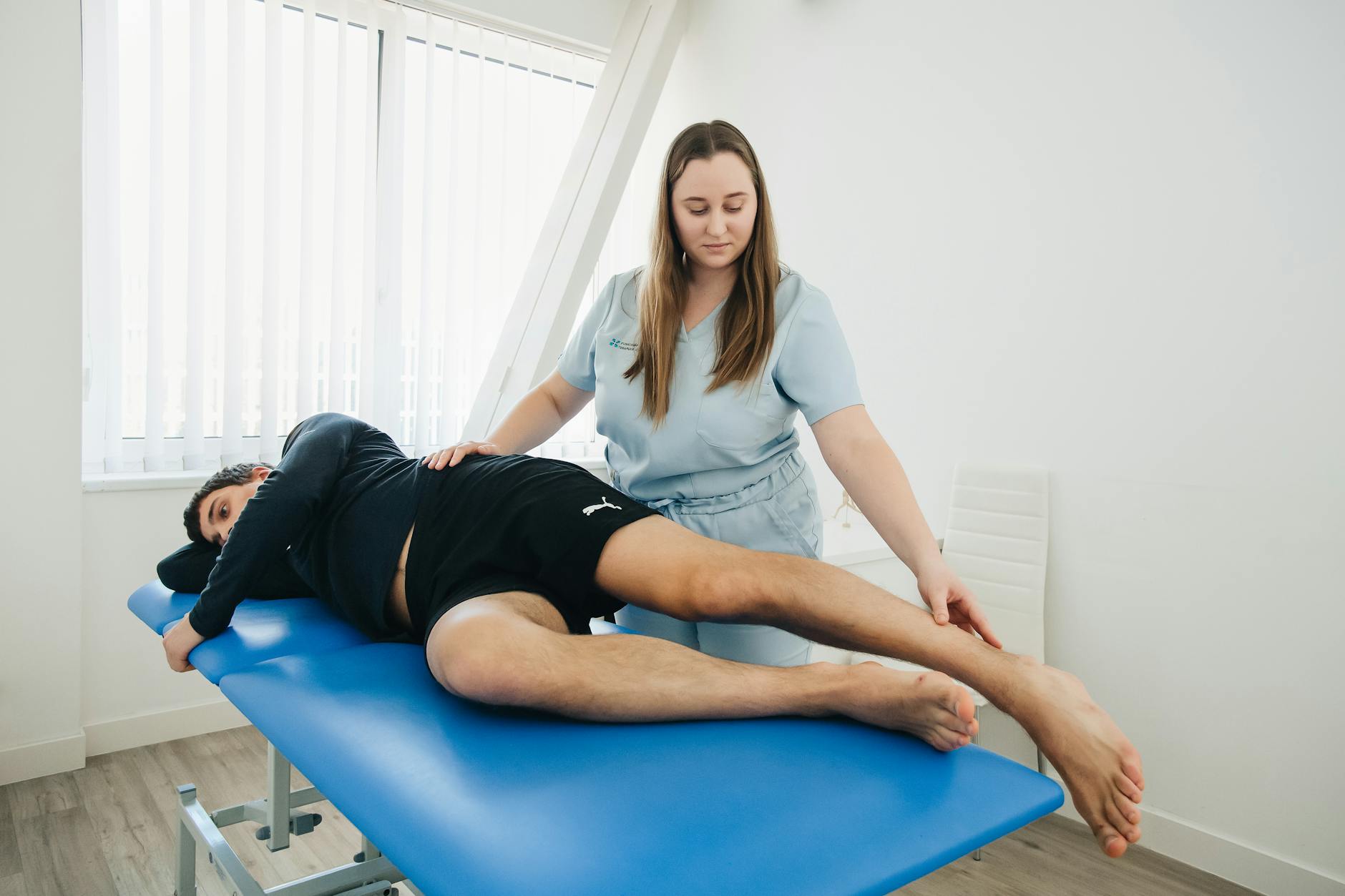
Your core muscles, especially your abdominals, are the powerhouse of your body. They don't just help you look good; they are fundamental for everything from maintaining good posture and preventing back pain to excelling in sports and performing everyday tasks with ease. When you challenge these muscles with workouts, it’s just as vital to give them the care they deserve, much like any other muscle group. This means incorporating regular stretching. Warming up with dynamic stretches before exercise and cooling down with static stretches afterwards can make a significant difference. This guide explores why stretching your abdominal muscles is so important for your overall performance and well-being. We’ll also walk you through specific, effective stretches you can do anywhere – at home, at the gym, or even while travelling.
Stretching, in general, is a cornerstone of successful workouts and good health. Let's dive into the specific advantages of making abdominal stretches a regular part of your routine.
A common complaint, lower back pain, can often be traced back to imbalances in the core. The combination of strengthening and stretching your abdominal muscles is a powerful strategy to combat this. Tight muscles can restrict your range of motion, making them less flexible and more susceptible to injury. Regularly stretching your abs and lower back muscles can help prevent these issues and may even offer relief from existing pain. Imagine a busy mother, Mrs. Sharma, who spends hours bending and lifting her young child. She started experiencing nagging lower back pain. After incorporating gentle ab stretches into her daily routine, she noticed a significant reduction in her discomfort, allowing her to care for her child more comfortably.
After intense workouts, some muscles can lose their flexibility. This can negatively impact your posture and place undue stress on your spine. Stretching your abdominals helps these muscles regain their full range of motion, improving flexibility. This quicker recovery means you can get back to your workouts sooner and perform them more effectively.
Dynamic stretches, performed before a workout, are brilliant for warming up your abdominal muscles, preparing them for the activity ahead. These movements can enhance your athletic performance and significantly reduce the likelihood of injuries. Think of a young cricketer preparing for a match; a few dynamic ab stretches before he starts batting can improve his core stability, allowing for more powerful shots and reducing the risk of pulling a muscle during a crucial moment.
Muscles can sometimes cramp after a demanding abdominal workout. Stretching immediately after a good session can help prevent future injuries and alleviate muscle soreness the next day. Unlike muscle groups like biceps or quads, which often need days of rest between intense workouts, your core muscles can often be worked multiple times a week. Regular stretching ensures they remain limber and ready for your next session.
Here are some simple yet effective stretches to incorporate into your routine. Remember to hold each stretch for the recommended duration and listen to your body. If you feel sharp pain, ease off.
This classic yoga pose gently yet thoroughly stretches your abdominal muscles and opens up your hips.
This flowing movement is excellent for improving the mobility and flexibility of your abdominal muscles, while also stretching and strengthening your lower back.
While often seen as a resting pose, Child's Pose can offer a gentle stretch to the abdomen, especially when performed with mindful breathing.
This gentle twist stretches the obliques (side abdominal muscles) and can help release tension in the back.
This offers a supported backbend and abdominal stretch, particularly useful for increasing spinal flexibility.
While stretching is generally safe and beneficial, it's important to know when to seek professional advice. If you experience any of the following, consult your doctor or a physical therapist:
For static stretches, aim to hold for 15 to 30 seconds. For dynamic stretches, focus on controlled movement rather than holding a position.
While stretching won't directly eliminate bloating caused by digestive issues, improving core strength and flexibility can aid in better digestion and potentially reduce discomfort associated with gas and bloating for some individuals.
Yes, stretching your abs daily, especially as part of a cool-down routine or on rest days, is generally beneficial for flexibility and recovery. However, listen to your body; if you feel excessive soreness, give your muscles a day off.
If you have an acute muscle pull, avoid stretching the affected area until the initial pain subsides. Gentle movement might be recommended by a doctor or physical therapist, but aggressive stretching can worsen the injury. Focus on rest and professional medical advice first.
Visit Hospital
Near You
Find trusted general surgery care in Budge Budge. Explore leading hospitals for effective treatments and expert surgical teams.
May 19, 2026
Find advanced COPD treatment in Kolkata at Ruby General Hospital. Our pulmonology experts offer personalized care and effective therapies.
May 19, 2026

Discover metabolic conditioning (metcon), an efficient workout style that boosts fitness by combining moderate and high-intensity exercises. Learn how it works, its benefits, and how to get started safely.
April 1, 2026