

Emergency & Help
24/7 Emergency & General Advisory
🚨 24/7 Medical Emergency
Non-Emergency Advisory
10:00 AM – 6:00 PM, Mon–Sat
For appointments & general queries.
24/7 Emergency & General Advisory
🚨 24/7 Medical Emergency
Non-Emergency Advisory
10:00 AM – 6:00 PM, Mon–Sat
For appointments & general queries.
Discover the incredible full-body benefits of indoor rowing! Learn how this low-impact, high-calorie-burning workout can transform your fitness, strengthen your heart, and boost your mental well-being. Get started with proper technique and see the difference.
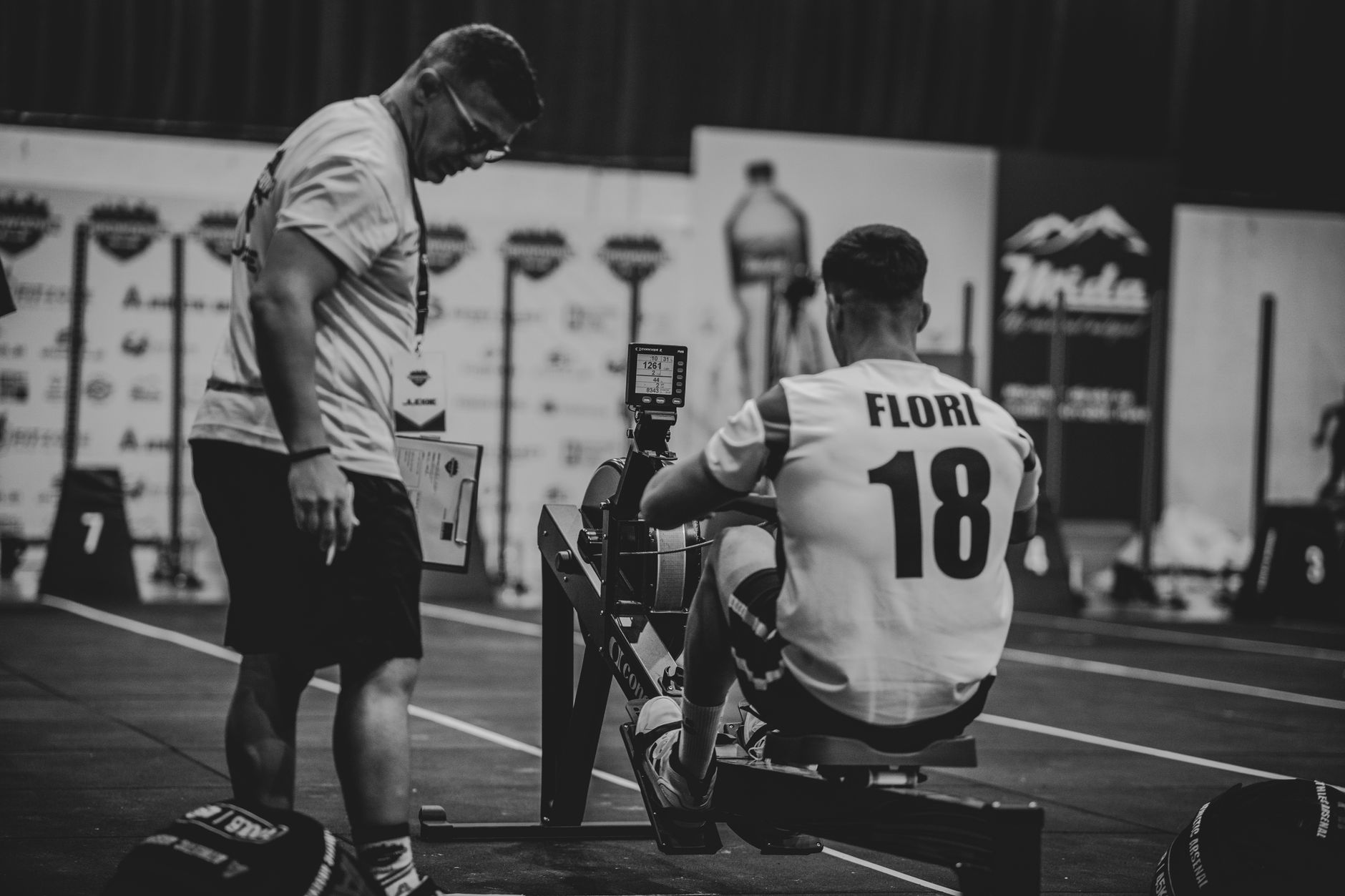
In today's fast-paced world, finding a workout that delivers a comprehensive, full-body challenge can feel like searching for a needle in a haystack. Many of us juggle busy schedules, trying to fit in exercise that boosts our cardiovascular health, builds strength, and tones muscles. What if you could achieve all this and more with a single, incredibly effective activity? Enter indoor rowing. Often underestimated, the rowing machine, or 'erg' as enthusiasts call it, is a powerhouse of fitness that offers a unique blend of endurance and strength training, all while being surprisingly gentle on your joints.
Rowing, whether on open water or a machine, is renowned as one of the most complete physical activities available. It engages a vast array of muscle groups, demands significant cardiovascular effort, and can even provide a mental respite. Unlike many other workouts that focus primarily on legs or arms, rowing demands coordinated effort from your entire body. From your legs pushing powerfully to your core stabilizing your torso and your arms pulling through the stroke, every major muscle group gets a workout. This holistic approach means you’re not just burning calories; you’re building functional strength and improving overall physical conditioning.
Consider this: a 125-pound individual can burn approximately 255 calories in just 30 minutes of rowing. Compare that to walking (120 calories), downhill skiing (180 calories), or even running at a 12-minute mile pace (240 calories). The calorie-burning potential is undeniable. But rowing offers more than just a high metabolic burn. It’s a low-impact exercise, meaning it’s easier on your knees, hips, and back compared to high-impact activities like running or jumping. This makes it an excellent option for people of all ages and fitness levels, including those recovering from injuries or managing chronic joint pain.
The rowing motion itself is a beautiful symphony of coordinated movements. It's not just an arm workout, as many mistakenly believe. The real power comes from your legs. Here’s a breakdown of the stroke's phases:
Mastering this sequence is key to maximizing the benefits and preventing injury. It’s a skill that requires practice, but the payoff is immense.
The advantages of indoor rowing extend far beyond calorie expenditure and muscle engagement. This repetitive, rhythmic motion can have a profound impact on your mental well-being. Many rowers describe a meditative state, a sense of calm and focus that washes over them during a session. The rhythmic sound of the machine and the steady pace can help reduce stress and anxiety, promoting a sense of mindfulness. Furthermore, regular cardiovascular exercise, like rowing, is a well-established mood booster, releasing endorphins that combat feelings of depression and improve overall mental outlook.
Stamina and Heart Health: Rowing significantly strengthens your heart. The increased demand on your cardiovascular system during a rowing workout leads to improved blood circulation and a more efficient, stronger heart over time. This enhanced stamina means you’ll feel less winded during everyday activities and other forms of exercise.
Immune System Boost: Moderate, consistent exercise like rowing can help bolster your immune system. By improving circulation and reducing stress, your body becomes better equipped to fight off illness.
Imagine Priya, a 40-year-old working mother in Mumbai, who struggles to find time for exercise that doesn't leave her exhausted for her family or work. She tried jogging but found it hard on her knees. After hearing about indoor rowing, she decided to give it a try at a local gym. Initially, her 10-minute sessions were challenging, but she focused on her form. Within a month, she noticed a significant increase in her energy levels, felt stronger, and her stress seemed to melt away during her workouts. She even found the rhythmic nature of the rowing machine oddly calming after a hectic day.
If you're new to rowing, the key is to start slow and focus on technique. Jumping into a high-intensity, long-duration workout without proper form can lead to frustration and potential injury. Most experts recommend starting with one or two 10-minute sessions focused purely on understanding the stroke mechanics. Listen to your body, and don't be afraid to adjust the resistance to a comfortable level.
Finding the Right Machine: There are various types of rowing machines, including air resistance, magnetic resistance, and water resistance. Each offers a slightly different feel. Air resistance rowers, common in gyms, provide a smooth, consistent pull that mimics real rowing closely. Magnetic rowers offer quiet operation and adjustable resistance. Water rowers provide a satisfying swooshing sound and feel.
Form is Paramount: Proper form prevents injury and ensures you're engaging the right muscles. Focus on the sequence: catch, drive, finish, recovery. Many gyms offer introductory classes or have trainers who can demonstrate the correct technique. Online videos can also be a great resource, but hands-on guidance is often best.
While indoor rowing is generally safe and highly beneficial, it's always wise to consult with your doctor before starting any new strenuous exercise program, especially if you have pre-existing health conditions such as heart disease, high blood pressure, or joint issues. Your doctor can provide personalized advice based on your health status and help you determine if indoor rowing is the right fit for you.
Q1: Is indoor rowing really a full-body workout?
A: Absolutely! It engages about 85% of your muscles, including your legs, core, back, shoulders, and arms.
Q2: Can indoor rowing help with weight loss?
A: Yes, due to its high calorie burn and muscle-building potential, it's very effective for weight management when combined with a balanced diet.
Q3: I have back pain. Can I still row?
A: Indoor rowing can be beneficial for back pain if done with perfect form, as it strengthens the core. However, if you have existing back issues, consult your doctor and a physical therapist before starting. Improper form can worsen back pain.
Q4: How often should I row?
A: For beginners, 2-3 sessions per week of 15-20 minutes are a good start. As you build endurance, you can gradually increase frequency and duration.
Q5: What's the difference between rowing and other cardio machines?
A: Rowing offers a unique combination of cardio and strength training, engages more muscle groups, and is typically lower impact than running or cycling.
Visit Hospital
Near You
Find trusted general surgery care in Budge Budge. Explore leading hospitals for effective treatments and expert surgical teams.
May 19, 2026
Find advanced COPD treatment in Kolkata at Ruby General Hospital. Our pulmonology experts offer personalized care and effective therapies.
May 19, 2026

Discover metabolic conditioning (metcon), an efficient workout style that boosts fitness by combining moderate and high-intensity exercises. Learn how it works, its benefits, and how to get started safely.
April 1, 2026