

Emergency & Help
24/7 Emergency & General Advisory
🚨 24/7 Medical Emergency
Non-Emergency Advisory
10:00 AM – 6:00 PM, Mon–Sat
For appointments & general queries.
24/7 Emergency & General Advisory
🚨 24/7 Medical Emergency
Non-Emergency Advisory
10:00 AM – 6:00 PM, Mon–Sat
For appointments & general queries.
Stay updated with our latest healthcare news and your appointments.
Learn about the health risks and chemical reactions involved when urine mixes with bleach in a toilet bowl. Understand safe cleaning practices and debunk myths.

Many of us use bleach regularly to keep our homes clean and germ-free. It’s a powerful disinfectant, capable of killing a wide range of harmful bacteria and viruses. However, like many strong chemicals, bleach requires careful handling. You might have heard warnings about mixing bleach with other substances, and one common question that pops up is: what happens if you pee in a toilet that has been cleaned with bleach? Let’s break down the science and safety behind this interaction.
Household bleach, most commonly sodium hypochlorite, is a highly effective cleaning agent. Its primary function is to disinfect surfaces by breaking down the cellular components of microorganisms. While it’s a staple in many households for its cleaning power, it's also a chemical that can cause irritation or more severe reactions if not used properly.
The Centers for Disease Control and Prevention (CDC) has highlighted concerns about the unsafe use of household cleaning chemicals. A survey indicated that a significant number of adults use these products in ways that are not recommended, increasing the risk of exposure to harmful substances. Bleach, by itself, can be harsh. Direct contact can irritate your skin, eyes, and even your lungs if the fumes are inhaled. This is why proper ventilation and avoiding direct contact are always advised when cleaning with bleach.
Your urine, while a natural bodily fluid, contains various waste products, including ammonia. When bleach (sodium hypochlorite) comes into contact with ammonia, a chemical reaction occurs. This reaction produces a gas called chloramine.
Chloramine gas is an irritant. Inhaling even small amounts can cause discomfort. The symptoms you might experience include:
While the amount of chloramine gas produced from peeing into a toilet with residual bleach might be small, it’s enough to cause these unpleasant symptoms. The situation becomes more concerning if the toilet bowl still contains a significant amount of bleach or if the bathroom is poorly ventilated.
Imagine Priya, a busy homemaker, rushing to clean the bathroom before guests arrive. She quickly pours bleach into the toilet bowl, lets it sit for a moment, and then, in her haste, uses the toilet before flushing and rinsing thoroughly. Shortly after, she starts feeling a burning sensation in her eyes and a tickle in her throat. She realizes she might have inhaled some fumes and quickly opens the window for fresh air.
If you find yourself in a situation where you’ve peed into a toilet with bleach and start experiencing symptoms like eye irritation or a sore throat, here’s what you should do:
It’s not just human urine that reacts with bleach. Pet urine, which also contains ammonia, can react similarly. This is why using bleach-based cleaners in areas where pets might urinate, like carpets or litter boxes, is also not recommended.
While the reaction with urine produces chloramine gas, mixing bleach with certain other common household cleaners can be far more dangerous, leading to the release of even more toxic gases or violent chemical reactions. Always remember:
Always read product labels carefully and ensure you are using cleaning products safely and independently. If you're unsure about a cleaner, it's best to avoid mixing it with anything else.
You might have heard about using a mixture of urine and bleach as a DIY pregnancy test. This is a persistent myth, but it is entirely untrue and potentially unsafe. The chemical reaction that occurs when urine and bleach mix does not reliably indicate pregnancy. Relying on such a method can lead to incorrect results and unnecessary anxiety or false reassurance. For accurate pregnancy testing, always use commercially available pregnancy test kits or consult a healthcare provider.
To use bleach safely and effectively for cleaning:
While mild exposure to chloramine gas from urine and bleach interaction typically causes temporary discomfort, you should seek medical advice if you experience:
If you have concerns about chemical exposure or respiratory symptoms, consult your doctor or visit an emergency room. For general health advice or concerns about potential pregnancy, always reach out to a healthcare professional.
You might experience mild symptoms like eye, nose, and throat irritation due to the formation of chloramine gas. These symptoms are usually temporary. However, severe exposure can lead to more significant respiratory issues.
No, this is a myth. The reaction between urine and bleach does not provide an accurate indication of pregnancy. Always use a proper pregnancy test kit.
Immediately leave the area and ventilate it by opening windows or doors. Do not try to clean up the mixture yourself. If you experience any symptoms, seek medical attention.
It's best to wait until the toilet has been thoroughly flushed and rinsed, and the area is well-ventilated. If you can still smell bleach fumes, it's advisable to wait longer or use another restroom.
Visit Hospital
Near You
For years, long COVID had no proven treatment — only symptom management. That changed in July 2026, when UCL researchers published trial results showing a structured cognitive rehabilitation program produced lasting improvement in long COVID brain fog. This piece explains what the trial found, how i
July 23, 2026
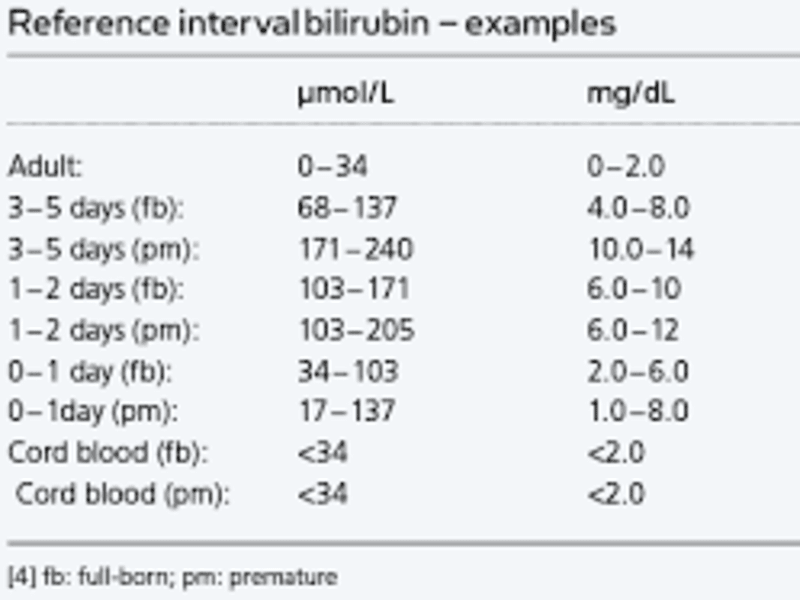
Bilirubin levels help assess liver health. This guide explains normal bilirubin values, types, causes of abnormal levels, symptoms, and when to seek medical advice.
April 11, 2026

Learn how to properly clean and care for your new ear piercing to ensure it heals beautifully and avoid infection. Follow our step-by-step guide for optimal results.
April 1, 2026