

Emergency & Help
24/7 Emergency & General Advisory
🚨 24/7 Medical Emergency
Non-Emergency Advisory
10:00 AM – 6:00 PM, Mon–Sat
For appointments & general queries.
24/7 Emergency & General Advisory
🚨 24/7 Medical Emergency
Non-Emergency Advisory
10:00 AM – 6:00 PM, Mon–Sat
For appointments & general queries.
Stay updated with our latest healthcare news and your appointments.
Discover the surprising risks of holding in a sneeze, from ear damage to more severe internal injuries. Learn why sneezing is important and how to do it safely and politely.
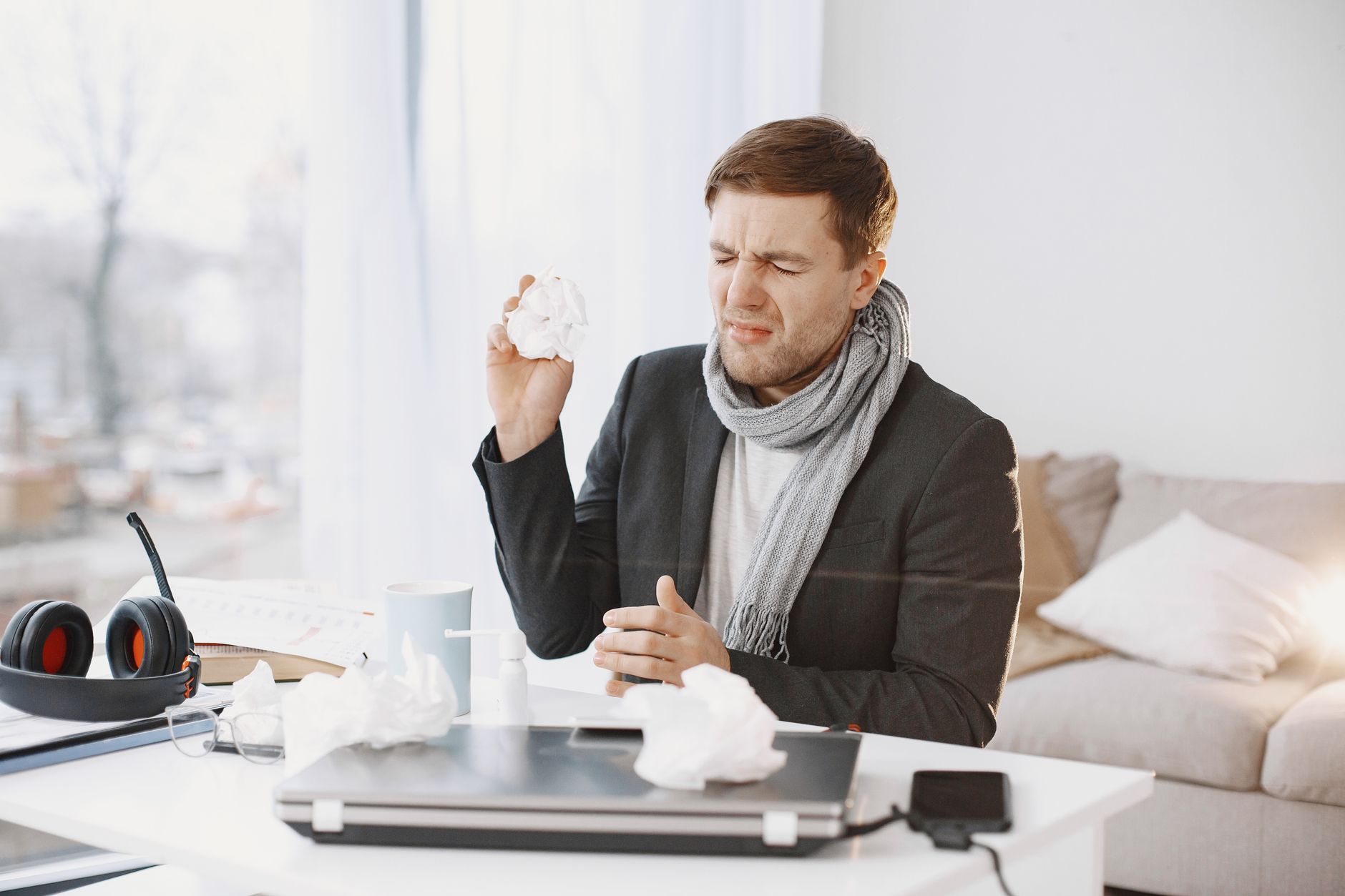
We’ve all been there. You feel that tickle in your nose, the familiar precursor to a sneeze, and suddenly you’re in a situation where sneezing feels utterly inappropriate. Maybe you’re in a quiet meeting, speaking to someone important, or in a crowded cinema. The instinct to stifle that sneeze, to pinch your nose and clamp your mouth shut, kicks in. It seems like a polite and harmless act, right? But what if I told you that holding in a sneeze could actually be harmful, even seriously so?
Sneezing is a natural bodily reflex, a powerful expulsion of air designed to clear irritants from your nasal passages. Think of it as your body’s emergency cleanup crew. These irritants can be anything from dust, pollen, and smoke to bacteria and viruses. When your nose detects these unwanted guests, it triggers a sneeze to forcefully eject them. This process is incredibly efficient, propelling mucus droplets at speeds of up to 100 miles per hour! In fact, studies have measured the pressure in a person’s windpipe during a sneeze to be around 1 pound-force per square inch (psi). Compare that to the pressure during strenuous exercise, which is a mere 0.03 psi, and you start to understand the sheer force involved.
When you suppress a sneeze, you’re essentially fighting against your body’s natural expulsion process. Instead of letting the air escape forcefully through your nose and mouth, you trap it. This trapped air dramatically increases the pressure within your respiratory system – the sinuses, nasal cavity, throat, and even down into your lungs. Experts suggest that holding in a sneeze can increase the internal pressure by 5 to 24 times the pressure of a normal sneeze! This is where the potential for injury arises. Your body isn’t designed to contain such a sudden, massive build-up of pressure.
While most of the time holding in a sneeze might just result in a minor headache or a strange sensation, there are documented cases where the consequences have been far more severe. These injuries, though not common, are serious and can impact several parts of your body:
One of the more dramatic, albeit rare, injuries reported is the rupture of the back of the throat. Doctors have treated individuals who experienced extreme pain, difficulty speaking, and trouble swallowing after forcefully holding in a sneeze. The sheer pressure can cause the delicate tissues at the back of your throat to tear.
Your ears are intricately connected to your nasal passages and throat via the eustachian tubes. When you hold in a sneeze, the increased pressure can force air backwards into these tubes. This can lead to several issues:
The immense pressure can also cause delicate blood vessels in your eyes, nose, or eardrums to burst. This typically results in superficial damage, like redness in the eyes or nose, which usually resolves on its own. However, it’s a clear sign of the strain your body is under.
Your diaphragm is a major muscle involved in breathing. In very rare cases, holding in a sneeze can cause pressurized air to become trapped around the diaphragm. This can lead to a collapsed lung, a life-threatening condition that requires immediate medical attention.
Perhaps the most alarming potential complication, though exceedingly rare, is the rupture of a brain aneurysm. The sudden, extreme spike in blood pressure throughout the body, caused by suppressing a sneeze, could theoretically trigger this catastrophic event. Ruptured brain aneurysms have a high mortality rate, making this a critical consideration.
Understanding why sneezing happens helps us appreciate why suppressing it might be problematic. Your body sneezes to protect itself. It’s a vital mechanism for removing foreign particles like dust, dirt, mold spores, pollen, or even tiny organisms like bacteria and viruses that enter your nasal passages. When these irritants trigger the nerves in your nose, your brain signals your body to prepare for a sneeze. This involves taking a deep breath, closing your throat, and then forcefully expelling air through your nose and mouth. It's a rapid and effective way to clean your airways and reset your nasal environment.
Imagine young Rohan, a student attending an important viva exam. Midway through answering a question, he feels a sneeze building up. Panicked about making a scene and disrupting the solemn atmosphere, he pinches his nose tightly and tries to stop the sneeze. He feels an intense pressure build in his head and ears, followed by a sharp pain. While he managed to suppress the sneeze, he now has a throbbing headache and ringing in his ears, making it difficult to concentrate on the rest of his exam.
Given the potential risks, the best course of action is to let your sneeze happen. However, we all want to be considerate of others. So, how can you sneeze safely and politely?
The most important thing is to cover your mouth and nose. Use a tissue or the crook of your elbow (the ‘vampire’ sneeze). Avoid using your hands, as this can spread germs. This simple act significantly reduces the spread of airborne droplets.
If you anticipate a sneeze and feel you have a moment, try to move away slightly or turn your head before sneezing. This minimizes the impact on those immediately around you.
While holding in a sneeze is generally not advisable, you don’t need to rush to the doctor every time you feel the urge to stifle one. However, if you experience any of the following after suppressing a sneeze, it’s wise to consult a healthcare professional:
You can’t prevent all sneezes, as they are natural responses to irritants. However, you can minimize the triggers:
While it’s not guaranteed to cause injury, holding in a sneeze significantly increases the pressure in your respiratory system, which can lead to serious complications in rare cases. It’s generally not recommended.
If you absolutely must suppress a sneeze, try gently pinching your nostrils together and breathing through your mouth. Some suggest lightly tickling the roof of your mouth with your tongue. However, remember that these methods still carry risks.
Frequent sneezing is usually a sign of an underlying issue like allergies, a cold, or sinus infection. While the sneeze itself isn't harmful, it indicates your body is trying to clear an irritant, and addressing the root cause is important.
It’s possible, though uncommon. The increased pressure can sometimes cause small blood vessels in the nose to rupture, leading to a nosebleed.
In summary, while the urge to suppress a sneeze in certain situations is understandable, it’s vital to be aware of the potential risks. Letting your sneeze out, while covering your mouth and nose, is the safest and healthiest approach. Your body’s natural reflexes are there for a reason, and respecting them can prevent potential harm.
Visit Hospital
Near You
For years, long COVID had no proven treatment — only symptom management. That changed in July 2026, when UCL researchers published trial results showing a structured cognitive rehabilitation program produced lasting improvement in long COVID brain fog. This piece explains what the trial found, how i
July 23, 2026

Bilirubin levels help assess liver health. This guide explains normal bilirubin values, types, causes of abnormal levels, symptoms, and when to seek medical advice.
April 11, 2026

Learn how to properly clean and care for your new ear piercing to ensure it heals beautifully and avoid infection. Follow our step-by-step guide for optimal results.
April 1, 2026