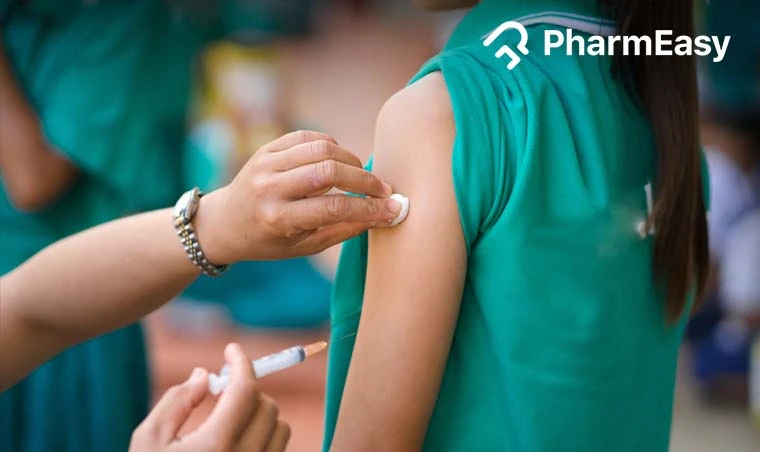
Cervical Malignancy Prevention in India: A Shield Against HPV
Meena, 45, a homemaker from Jaipur, noticed a persistent, unusual discharge. Initially dismissing it, she eventually visited her local doctor. Her physician, concerned, recommended a Pap smear, which revealed precancerous changes.
This led to a discussion about the Human Papillomavirus (HPV) immunisation – a preventive measure she wished she had known about earlier. Sadly, cervical malignancy remains a significant health concern for Indian women, with over 123,000 new cases and 77,000 deaths annually, according to the World Health Organization (WHO).
Honestly, the sheer scale of this problem highlights the urgent need for awareness and accessible preventive strategies. What most people miss is that cervical malignancy is largely preventable, primarily through immunisation against the HPV virus, which causes the vast majority of cases.
India has made strides in this direction, with the availability of the HPV immunisation offering a powerful tool in the fight against this disease.
Understanding the HPV Immunisation
The HPV immunisation is designed to protect against the most common and high-risk types of HPV that cause cervical malignancy. The virus is transmitted through sexual contact, and persistent infection with certain strains can lead to cellular changes that eventually develop into malignancy.
Recovery is rarely linear.
Think about it this way: the immunisation acts as a frontline defence, teaching your immune system to recognise and fight off these specific viral strains before they can cause harm.
Types of HPV Immunisations Available in India
Currently, two main types of HPV immunisations are widely discussed and available, though access and specific recommendations can vary. These include:
- Gardasil 9: This is a nine-valent immunisation, offering protection against nine HPV types – six low-chance types that cause genital warts and three high-likelihood types responsible for most cervical malignancies (HPV 16, 18, 31, 33, 45, 52, and 58).
- Cervarix: This is a bivalent immunisation, protecting against the two most typical high-likelihood HPV types, 16 and 18, which are responsible for approximately 70% of cervical malignancies.
The choice between these immunisations often depends on availability, cost, and specific recommendations from healthcare providers. Gardasil 9, by covering more strains, offers broader protection.
Benefits of the Cervical Malignancy Immunisation
The primary and most meaningful benefit of the HPV immunisation is its ability to drastically reduce the danger of developing cervical malignancy. Studies published in leading medical journals like The Lancet have shown remarkable efficacy rates. For instance, the immunisation has been shown to reduce HPV infections by up to 90% and precancerous cervical lesions by over 80% in immunised individuals. This translates to potentially saving thousands of lives each year in India alone.
Beyond cervical malignancy, the immunisation also protects against other HPV-related malignancies, including vaginal and vulvar cancers in women, and anal and oropharyngeal (throat) cancers in both men and women. It is also effective in preventing genital warts, a prevalent and often distressing sexually transmitted infection.
So what does that mean for you? It means a single immunisation can offer protection against multiple types of malignancy and infections, making it a highly valuable public health intervention.
The Indian Academy of Paediatrics (IAP) recommends HPV immunisation for girls and boys to achieve herd immunity and provide extensive protection. Their guidelines suggest immunisation for adolescents aged 9-14 years, with a catch-up dose recommended for those up to 26 years old if not previously immunised.
In many cases, immunising before the onset of sexual activity yields the highest level of protection, as the immunisation is most reliable when exposure to HPV has not yet occurred.
Age Limit and Immunisation Schedule
The recommended age for HPV immunisation is crucial for maximising its effectiveness. Ideally, the immunisation should be administered before a person becomes sexually active, as it is designed to prevent infection rather than treat existing ones. The primary target age group for the HPV immunisation in India is typically between **9 and 14 years**.
For individuals in this age bracket, a two-dose schedule is usually recommended, with the second dose given 6 to 12 months after the first. This schedule has demonstrated high efficacy and long-lasting protection. What should you actually do if you or your child fall outside this primary window?
For those aged **15 to 26 years** who have not been immunised, a three-dose schedule is recommended. This involves administering the doses at 0, 1-2, and 6 months.
While the immunisation is most proven when given before exposure, it can still offer benefits to individuals in this age group by protecting against HPV types they have not yet encountered.
Regarding an upper age limit, recommendations vary slightly. While the immunisation is most successful in younger individuals, some guidelines suggest potential benefit up to age 26.
Some discussions are ongoing regarding its use in older age groups, but current strong recommendations focus on adolescents and young adults. It's important to remember that the virus can still be contracted and cause disease at any age after sexual activity begins.
Recovery is rarely linear.
Potential Side Effects of the HPV Immunisation
Like any immunisation, the HPV immunisation can cause side effects, although most are mild and temporary. The most commonly reported side effects include:
- Pain, redness, or swelling at the injection site.
- Mild fever.
- Headache.
- Nausea.
- Muscle or joint pain.
These symptoms typically resolve on their own within a few days. Serious adverse reactions are extremely rare. Extensive safety monitoring by global health organisations like the WHO and national bodies such as the Indian Council of Medical Research (ICMR) has consistently shown the HPV immunisation to be safe and well-tolerated.
Concerns about fertility or other long-term effects have been thoroughly investigated and found to be unsubstantiated by scientific evidence. The benefits of preventing malignancy and other HPV-related diseases far outweigh the minimal risks associated with the immunisation.
If you experience any concerning manifestations after immunisation, it is always best to seek medical advice promptly.
Cost and Accessibility in India
The cost of the HPV immunisation can be a marked consideration for many families in India. While Gardasil 9 and Cervarix are available in private clinics and hospitals, their price can range from ₹2,500 to ₹4,500 per dose, depending on the brand and location.
Given that a full course requires two or three doses, the total cost can be substantial. This is a challenge, especially in a country with diverse economic strata.
However, there are ongoing efforts to improve accessibility. The Indian government has initiated pilot programs and plans for wider rollout of the HPV immunisation, particularly through the Universal Immunisation Programme (UIP), aiming to make it more affordable and accessible to a larger population.
It sounds simple. It rarely is.
Keeping an eye on these national initiatives can provide opportunities for cost-successful immunisation. Honestly, making this life-saving immunisation accessible to all strata of society is paramount.
Addressing frequent Myths and Concerns
Several myths surround the HPV immunisation, often fuelled by misinformation. One usual misconception is that the immunisation causes infertility. This is untrue; extensive research, including studies involving hundreds of thousands of women, has shown no link between the HPV immunisation and infertility.
Another concern is that the immunisation is only for girls or women. However, HPV affects males too, causing anal, throat, and penile cancers, as well as genital warts. Therefore, immunising boys is equally key for their health and to reduce transmission within the community.
What most people miss is that the immunisation does not contain live virus and cannot cause HPV infection or malignancy. It works by stimulating an immune response. Think about it this way: it's like giving your body a training manual to fight a specific enemy, without actually exposing you to that enemy.
That's the part worth remembering.
The Role of Regular Screening
While the HPV immunisation is a powerful preventive tool, it is not a substitute for regular cervical malignancy screening. Even immunised individuals should continue with routine Pap smears or HPV testing as recommended by their healthcare provider. The reason is straightforward: the immunisation, while highly reliable, may not cover all possible malignancy-causing HPV strains, and other factors can contribute to cervical changes.
So what does that mean for you? It means a dual approach – immunisation and regular screening – offers the best protection.
Regular screening allows for the early detection of precancerous changes, which can be treated before they develop into invasive malignancy. In India, where awareness about screening can sometimes lag, promoting regular check-ups is as vital as promoting immunisation. For instance, a study in the Indian Journal of Medical Research highlighted that increased screening uptake could significantly reduce mortality rates.
Conclusion: A Proactive Approach to Health
Cervical malignancy is a preventable disease, and the HPV immunisation represents a monumental leap forward in this fight. By understanding its benefits, recommended age groups, potential side effects, and accessibility in India, we can make informed decisions about our health and the health of our loved ones.
Remember Meena's story – proactive measures can avert serious health crises.
The availability of immunisations like Gardasil 9 and Cervarix, coupled with ongoing government initiatives, offers hope for a future with significantly reduced cervical malignancy burden in India. It’s a step towards empowering individuals, particularly women, to take control of their health.
In many cases, embracing preventive healthcare is the wisest investment one can make.
Key Takeaways:
- The HPV immunisation is a primary preventive measure against cervical malignancy, caused by specific high-chance HPV strains.
- Recommended for adolescents aged 9-14 years (2 doses) and a catch-up for those up to 26 years (3 doses).
- Benefits include protection against cervical, vaginal, vulvar, anal, and oropharyngeal cancers, plus genital warts.
- Side effects are typically mild and temporary; serious reactions are very rare.
- Immunisation should be complemented by regular cervical malignancy screening (Pap smear/HPV test).
Always consult a qualified physician before making any medical decisions.