Tuberculosis: A Persistent Challenge in India
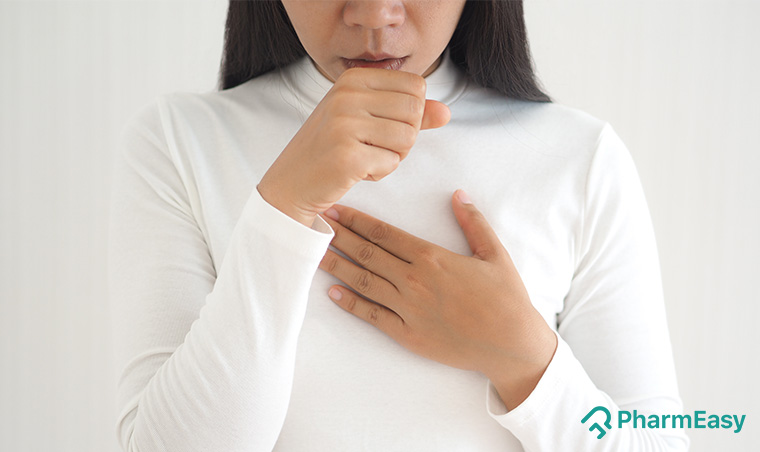
Meena, 45, a homemaker from Jaipur, noticed a persistent cough that refused to subside, accompanied by unexplained weight loss and fatigue. Initially dismissing it as a common cold exacerbated by the lingering monsoon dampness, her condition worsened over weeks, prompting a visit to her local clinic.
Her story is a familiar echo across India, a nation grappling with the enduring reality of tuberculosis (TB).
Tuberculosis remains a significant societal concern in India, despite considerable progress. The sheer scale of the challenge is immense; India accounts for a substantial portion of the global TB burden. 5 million TB cases were reported in India in 2022, representing about 27% of the global incidence (WHO Global TB Report, 2023).
This persistent presence underscores the critical need for widespread awareness regarding its various forms, underlying causes, effective therapeutic approaches, and robust preventive measures. The reality is, TB is not a relic of the past but a present-day threat demanding our vigilant attention.
Understanding the Culprit: Causes of Tuberculosis
The primary cause of TB is a bacterium known as Mycobacterium tuberculosis. This resilient microbe typically attacks the lungs, but it can also damage other parts of the body. Transmission occurs when an infected individual coughs, sneezes, speaks, or sings, releasing airborne droplets containing the bacteria into the air. These droplets can then be inhaled by others, leading to infection.
Several factors increase an individual's risk of developing active TB disease after being infected with the bacteria. Weakened immune systems are particularly vulnerable.
This includes individuals living with HIV, those suffering from malnutrition, people with diabetes (over 101 million Indians have diabetes, as per ICMR, 2023), and patients undergoing therapy for cancer or organ transplants. Additionally, prolonged close contact with an infected person, especially in crowded or poorly ventilated living conditions—usual in many Indian urban settings—significantly elevates the danger of transmission.
Here's where it gets interesting.
Worth knowing: The incubation period for TB can vary widely, from a few weeks to many years. Many infected individuals remain asymptomatic, harbouring dormant bacteria (latent TB infection), with no active disease and unable to transmit it. However, under certain conditions, these dormant bacteria can become active and cause illness.
The Many Faces of TB: Types of Tuberculosis
Pulmonary Tuberculosis (PTB)
Pulmonary TB is the most typical form, affecting the lungs. Symptoms typically include a persistent cough that may produce sputum (phlegm), sometimes tinged with blood, chest pain, fever, chills, night sweats, and considerable weight loss.
These indicators can develop gradually, making early diagnosis challenging. If left without intervention, PTB can lead to severe lung damage and can be fatal.
Extrapulmonary Tuberculosis (EPTB)
When TB spreads beyond the lungs to other parts of the body, it is called extrapulmonary TB. This form can affect almost any organ, including the lymph nodes, bones, joints, kidneys, brain, heart, and skin. manifestations vary depending on the affected organ.
For instance, TB affecting the lymph nodes (lymphadenitis) might present as swollen glands, often in the neck. Bone and joint TB can cause pain, swelling, and stiffness, potentially leading to deformities—a challenging problem for those who regularly sit on the floor for daily activities like eating or prayer.
It sounds simple. It rarely is.
TB meningitis, affecting the brain's lining, is a severe form with warning signs like headache, stiff neck, and confusion, requiring urgent medical intervention. The prevalence of EPTB varies geographically and is often higher in individuals with compromised immune systems.
Drug-Resistant Tuberculosis (DR-TB)
A particularly concerning development is drug-resistant TB (DR-TB). This occurs when TB bacteria develop resistance to one or more TB medications. The most usual forms are Multi-Drug Resistant TB (MDR-TB), resistant to at least isoniazid and rifampicin (the two most potent TB drugs), and Extensively Drug-Resistant TB (XDR-TB), which is resistant to even more drugs.
DR-TB is harder and more expensive to manage, requiring longer therapeutic durations with second-line drugs that often have more severe side effects. In India, the estimated incidence of MDR-TB was around 33,000 in 2022 (WHO Global TB Report, 2023), highlighting the urgent need for infection control and proper management adherence.
Diagnosis: Uncovering the Truth
Diagnosing TB involves a combination of methods. A thorough medical history and physical examination are the first steps. If TB is suspected, various tests are employed.
Sputum microscopy is a typical and rapid test, where a sample of sputum is examined under a microscope for the presence of TB bacteria. Nucleic acid amplification tests (NAATs), such as the GeneXpert MTB/RIF assay, are more accurate and can detect the bacteria and identify resistance to rifampicin in a couple of hours. Chest X-rays or CT scans are used to visualise the lungs and identify characteristic lesions indicative of TB.
That's the part worth remembering.
, fluid, tissue biopsy) are collected for testing. Blood tests can also help assess overall health and immune status, particularly in suspected cases of TB/HIV co-infection.
Treatment: The Path to Recovery
Tuberculosis is curable, but management requires a strict and prolonged course of multiple antibiotics. The standard management for drug-susceptible TB involves a combination of four drugs taken for at least six months.
Adherence to the prescribed regimen is absolutely crucial. Missing doses or stopping management prematurely can lead to management failure and the development of drug resistance.
For drug-resistant TB, management is more complex, involving a different set of drugs, often for 18-24 months or longer. These therapies are carefully managed by specialists.
Honestly, ensuring individuals complete their full course of medication is a notable challenge, often requiring directly observed therapy (DOT), where a healthcare worker or trained volunteer watches the patient take their medicine. The Indian government's Revised National Tuberculosis Control Programme (RNTCP), now Nikshay Poshan Yojana, provides free diagnosis and management, a vital support system for millions.
So what does that mean for you? It means that if diagnosed, patience and strict adherence are your greatest allies in fighting the disease. The journey can be arduous, but with the right medical guidance and personal commitment, a full recovery is achievable.
Prevention: Building a Shield Against TB
Preventing TB involves a multi-pronged approach focusing on both individual actions and societal initiatives.
Vaccination
The Bacillus Calmette-Guérin (BCG) vaccine is available and recommended for infants in countries with a high TB burden, including India. While it doesn't prevent TB infection entirely, it is highly successful in preventing severe forms of TB in children, such as TB meningitis and disseminated TB.
This is where most people struggle.
Public Health Measures
Strong societal systems play a pivotal role. This includes early detection and prompt management of infectious TB cases to reduce transmission. Improving living conditions, ensuring adequate ventilation in homes and public spaces, and promoting good hygiene practices are also important.
Awareness campaigns, like those conducted by the Ministry of Health and Family Welfare, aid educate the public about TB manifestations, transmission, and the importance of seeking timely medical support. The goal is to break the chain of transmission.
Lifestyle Modifications
Strengthening the immune system is key to preventing TB. A nutritious diet, regular exercise, adequate sleep, and avoiding smoking and excessive alcohol consumption can significantly bolster the body's defenses.
For individuals identified with latent TB infection, preventive therapy with a single TB drug is often recommended to stop the bacteria from becoming active disease. This is a crucial intervention, especially for those at high possibility, such as close contacts of TB individuals or people living with HIV.
Recovery is rarely linear.
What should you actually do? Stay informed, maintain a healthy lifestyle, and seek medical attention promptly if you experience any persistent manifestations suggestive of TB. Early diagnosis and management are the most powerful tools we have against this disease.
The Road Ahead: Combating TB in India
India is committed to ending TB by 2025, an ambitious goal aligned with the UN's Sustainable Development Goals. This requires a concerted effort from healthcare providers, policymakers, communities, and individuals.
Innovations in diagnostics, shorter drug regimens, and improved drug-resistant TB management are offering new hope. Continued investment in research and development, coupled with strong political will and community engagement, will be essential to achieve a TB-free India.
Key Takeaways
- Tuberculosis is caused by Mycobacterium tuberculosis and primarily affects the lungs, though it can spread to other organs.
- India faces a meaningful TB burden, with over 2.5 million cases reported in 2022.
- warning signs of pulmonary TB include persistent cough, chest pain, fever, night sweats, and weight loss.
- Drug-resistant TB (DR-TB) is a major challenge, requiring longer and more complex management regimens.
- Prevention strategies include vaccination (BCG), societal measures, and strengthening individual immunity through healthy lifestyle choices.
Always consult a qualified physician before making any medical decisions.