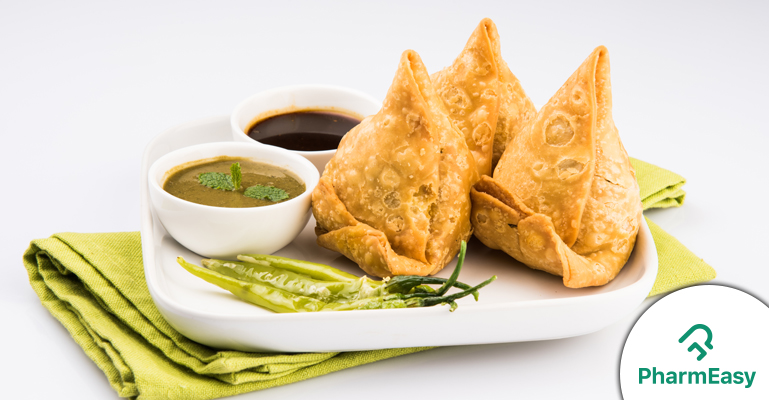
Understanding Foods That Challenge Your Gut
Meena, 45, a homemaker from Jaipur, noticed a recurring pattern of discomfort after meals. Bloating, gas, and an uncomfortable heaviness plagued her, especially after consuming certain popular dishes. She often found herself wondering why, despite enjoying her meals, her abdomen seemed to rebel.
Meena’s experience is not unique; millions in India grapple with gut unease, often linked to the very sustenance they consume. What most people miss: the intricate dance between our intestines and what we eat can be easily disrupted.
The reality is, our digestive system is a marvel of biological engineering, designed to break down a vast array of sustenance into nutrients our body can absorb. However, some sustenance, due to their composition or how our bodies process them, present a greater challenge.
Understanding these culprits is the first step towards a more comfortable and healthy digestive life. This guide explores 13 sustenance known to be difficult to process, offering insights into why they cause issues and what you can do about it.
Recovery is rarely linear.
Why Do Some Sustenance Cause Gut Distress?
Digestive difficulty, medically termed dyspepsia, can stem from various factors. It's not always about a specific food being inherently 'bad,' but rather how an individual's unique gut microbiome, enzyme production, and intestinal sensitivity react to it.
Have you ever wondered why? Common reasons include high levels of certain plant matter, complex sugars, fats, or even the presence of compounds that can irritate the gut lining.
Think about it this way: our gut is like a finely tuned orchestra. When a challenging food enters, it's like introducing a discordant note that can throw the entire performance off. This disruption can lead to symptoms like swelling, gas, abdominal pain, diarrhoea, constipation, and a general feeling of fullness or heaviness.
13 Sustenance That Are Difficult To Process
1. Beans and Legumes
Beans, lentils, and chickpeas are nutritional powerhouses, rich in protein and plant matter. However, they also contain oligosaccharides, complex sugars that our bodies lack the enzymes to break down fully.
These undigested sugars ferment in the large intestine, producing gas. Over 101 million Indians have diabetes (ICMR, 2023), and while beans are beneficial for diabetes management due to their low glycemic index, their gas-producing nature can be a concern for sensitive individuals.
Here's where it gets interesting.
What should you actually do? Soaking beans overnight and changing the water multiple times before cooking can help reduce the oligosaccharide content. Rinsing canned beans thoroughly also helps.
2. Cruciferous Vegetables
Broccoli, cauliflower, cabbage, and Brussels sprouts are packed with vitamins and antioxidants. Yet, they also contain raffinose, a type of sugar that can be tough to process.
Similar to beans, this sugar ferments in the gut, leading to gas and swelling. For many, incorporating these vegetables during cooler months, perhaps in a hearty sabzi, is a culinary tradition, but gut issues can arise.
Starting with smaller portions and ensuring they are well-cooked can improve digestibility. Steaming or roasting is often better than eating them raw.
3. Fried and Fatty Sustenance
Deep-fried items like pakoras or rich gravies, typical during festivals like Diwali, are notoriously difficult to process. High-fat sustenance slow down the emptying of the stomach, leaving you feeling full and uncomfortable for longer. Fat requires more digestive enzymes and bile for breakdown, and an overload can overwhelm the system.
The reality is, moderation is key. Reducing the frequency and portion size of fried and fatty meals can make a significant difference. Opting for baking, grilling, or air-frying methods can also assist.
4. Spicy Sustenance
While certain spices can aid digestion in small amounts, excessive chilli and strong spices can irritate the stomach lining. This irritation can lead to heartburn, acid reflux, and abdominal pain, especially for individuals with sensitive stomachs or conditions like gastritis. Many Indian curries rely heavily on potent spices.
It sounds simple. It rarely is.
Pay attention to your body’s signals. If spicy sustenance consistently causes discomfort, try reducing the heat level in your cooking or choosing milder dishes.
5. Dairy Products (for Lactose Intolerant Individuals)
Lactose intolerance, the inability to fully process lactose (the sugar in milk), affects a considerable portion of the global population, including many Indians. warning signs include swelling, gas, and diarrhoea after consuming milk, cheese, or yogurt.
According to a study published in The Lancet, lactose malabsorption is highly prevalent in South Asia.
What should you actually do? Lactose-free dairy products or plant-based alternatives (almond, soy, oat milk) are excellent options. Small amounts of yogurt or aged cheeses might be tolerated better due to lower lactose content.
6. Processed Sustenance
Highly processed sustenance—think packaged snacks, instant noodles, and sugary cereals—often contain artificial ingredients, high amounts of sodium, unhealthy fats, and low plant matter. These components can disrupt gut health and are harder for the body to process efficiently.
The World Health Organization (WHO) has long warned about the health risks associated with excessive consumption of ultra-processed sustenance.
Think about it this way: your digestive system prefers whole, natural sustenance. Limiting processed items means giving your gut an easier job.
7. High-Plant Matter Cereals and Breads
While plant matter is crucial for gut health, a sudden increase or consuming very high amounts, particularly insoluble plant matter found in some whole grains and bran, can lead to swelling and gas. This is especially true if you're not accustomed to a high-plant matter diet.
This is where most patients struggle.
The Institute for Global Health (IGH) recommends a gradual increase in plant matter intake.
Increase your plant matter intake slowly and ensure you drink plenty of water, which helps plant matter move through your digestive system smoothly.
8. Artificial Sweeteners
Sugar substitutes like sorbitol, mannitol, and xylitol, often found in sugar-free gums, candies, and diet drinks, can cause gut upset. These are sugar alcohols that are poorly absorbed by the intestines and can ferment, leading to gas, swelling, and diarrhoea. Some studies suggest these sweeteners can alter the gut microbiome.
Read food labels carefully and opt for natural sweeteners in moderation if you experience issues with artificial ones.
9. Caffeine
For some individuals, caffeine—found in coffee, tea, and some sodas—can stimulate the digestive tract too much, leading to stomach upset or diarrhoea. It can also exacerbate indicators of acid reflux. Many people start their day with a cup of chai, a cultural staple, but its effect on digestion varies.
Consider reducing your caffeine intake or switching to herbal teas if you're sensitive.
10. Alcohol
Alcohol can irritate the stomach lining, slow down digestion, and contribute to acid reflux. It can also disrupt the balance of bacteria in your gut. Long-term excessive alcohol consumption is linked to serious digestive disorders.
Moderation is essential. If you experience gut issues, limiting or avoiding alcohol might be beneficial.
11. Red Meat
Red meat is high in protein and fat, making it harder to process than leaner protein sources like chicken or fish. It takes longer to break down and can sit in the stomach for extended periods, potentially causing discomfort, especially if consumed in large quantities or frequently.
That alone changes everything.
What should you actually do? Opt for leaner cuts, smaller portions, and consider pairing it with easily digestible vegetables. Sometimes, eating floor-sitting style during a traditional meal can impact digestion due to posture.
12. Chewing Gum
Chewing gum can lead to swallowing excess air, which contributes to swelling and gas. Additionally, many gums contain artificial sweeteners that can cause gut upset, Going back to what we discussed. The act of chewing itself can also stimulate digestive juices, which might be problematic if your stomach is empty.
Try to limit your gum chewing or opt for sugar-free varieties with natural sweeteners if you must.
13. Garlic and Onions
These popular aromatics contain fructans, a type of carbohydrate that can be difficult for some people to process. Fructans are fermented by gut bacteria, producing gas. While they add immense flavour to Indian cuisine, individuals with Irritable Bowel Syndrome (IBS) or general sensitivity often find them problematic.
Have you ever wondered why? For some, cooking them thoroughly or using smaller amounts can reduce their impact. Fermented versions like Asafoetida (hing) might be better tolerated.
Managing Gut Discomfort
The key to managing gut issues related to sustenance lies in identifying your personal triggers and making mindful adjustments. Practically speaking, this involves a combination of dietary changes, lifestyle modifications, and sometimes, medical intervention.
Recovery is rarely linear.
Keeping a food diary can be incredibly helpful in pinpointing which sustenance cause you the most trouble. Note down what you eat, when you eat it, and any manifestations you experience afterward.
Gradual changes are often more sustainable than drastic overhauls. Instead of eliminating entire sustenance groups, try reducing portion sizes or frequency of consumption for problematic sustenance. Ensuring adequate hydration is also vital, as water aids in digestion and helps prevent constipation.
Regular physical activity, even a brisk walk after meals, can stimulate gut motility and ease discomfort. Stress management techniques like yoga or meditation can also positively impact gut health, as the gut-brain axis is a powerful connection.
In cases of persistent or severe gut distress, seeking professional medical advice is crucial. A doctor can benefit rule out underlying medical conditions and provide tailored recommendations. According to the Indian Society of Gastroenterology, digestive disorders are typical and treatable with appropriate guidance.
Key Takeaways
- Certain sustenance like beans, cruciferous vegetables, and fried items are harder to process due to their plant matter, sugar, or fat content.
- Lactose intolerance and sensitivity to artificial sweeteners or caffeine are widespread reasons for gut upset.
- Cooking methods (soaking, steaming, cooking thoroughly) and portion control can significantly optimise the digestibility of challenging sustenance.
- A food diary is a useful tool for identifying personal trigger sustenance.
- Lifestyle factors such as hydration, physical activity, and stress management play a vital role in gut health.
Always consult a qualified physician before making any medical decisions.