Understanding Tired Eyes: More Than Just Lack of Rest
Meena, 45, a homemaker from Jaipur, noticed a persistent fullness under her eyes, especially after long hours spent reading on her tablet. Initially, she dismissed it as a sign of insufficient rest, a common ailment during the busy festival season.
However, the enlargement didn't subside even with extra rest, prompting her to seek answers. Her story is not uncommon in India, where lifestyle changes and environmental factors often contribute to such visible signs of distress on our faces.
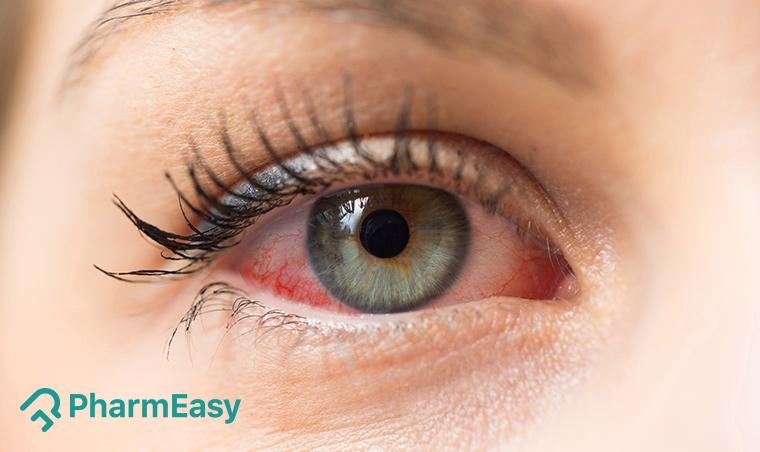
Tired eyes, medically termed periorbital edema, refer to the enlargement or fullness around the eyes. While often associated with lack of rest, the reasons can be far more diverse and sometimes indicate underlying health concerns. Have you ever wondered why your eyes seem to enlarge seemingly out of nowhere?
typical Culprits Behind Eye Fullness
Several factors can lead to those unwelcome under-eye bags and enlargement. Understanding these triggers is the first step toward finding effective relief.
Lifestyle and Environmental Factors
Practically speaking, our daily habits play a significant role. Excessive salt intake, for instance, can cause retention of bodily liquids throughout the body, including the delicate tissues around the eyes. Think about the rich, often salty, gravies and fried snacks prevalent during Indian celebrations like Diwali or Holi; these can contribute to temporary enlargement.
It sounds simple. It rarely is.
Similarly, consuming alcohol can dehydrate the body and lead to liquid imbalances. Smoking is another major culprit, damaging skin elasticity and contributing to premature aging and fullness.
Environmental irritants like dust, pollen, and pollution can also trigger allergic reactions, causing the eyes to become red, itchy, and enlarged. Have you ever noticed increased eye irritation during the monsoon season when humidity levels rise and mold spores become more prevalent?
This is a classic example of environmental factors affecting the eyes.
Genetics and Aging
In many cases, genetics predisposes individuals to have thinner skin or more fat deposits under the eyes, making fullness more noticeable. As we age, the tissues supporting our eyelids weaken, and the fat that normally resides in the eye socket can start to move forward into the lower eyelids, creating the appearance of bags.
Skin elasticity also decreases with age, exacerbating the problem.
Medical Conditions
While less frequent, persistent eye fullness can sometimes signal underlying medical issues. Thyroid problems, particularly hypothyroidism, can cause enlargement around the eyes.
Kidney disease, which affects liquid balance, and certain types of infections or inflammatory conditions can also manifest as periorbital edema. Honestly, it's crucial not to ignore persistent enlargement.
Rest and Hydration
The most frequently cited cause is indeed insufficient rest. When you don't get enough rest, liquid can accumulate under your eyes.
Dehydration, paradoxically, can also lead to liquid retention as the body tries to conserve water. So, while excessive liquid intake isn't usually the issue, maintaining adequate hydration is vital for overall health and can help prevent enlargement.
That alone changes everything.
Simple Home Remedies for Tired Eyes
Thankfully, several simple and successful home remedies can support alleviate tired eyes. These natural approaches are gentle and can be easily incorporated into your routine.
Cold Compress Therapy
Applying a cold compress is one of the most immediate and proven ways to reduce enlargement. The cold constricts blood vessels, which helps to decrease inflammation and liquid buildup.
You can use a clean washcloth soaked in ice-cold water, chilled spoons, or a bag of frozen peas wrapped in a thin towel. Apply it gently to the affected area for 10-15 minutes.
Cucumber Slices
This classic remedy works wonders. Cucumbers have a high water content and cooling properties that benefit soothe and de-enlarge the eyes. Their antioxidant and anti-inflammatory effects also contribute to their efficacy.
Simply chill two slices of cucumber and place them over your closed eyes for about 10-15 minutes. The ritual of sitting quietly with cucumber slices is a welcome break, reminiscent of traditional self-care practices.
Tea Bags (Chilled)
Caffeinated tea bags, particularly green tea or black tea, can be surprisingly reliable. The caffeine in tea acts as a vasoconstrictor, narrowing blood vessels and reducing enlargement. Additionally, the antioxidants present in tea can enable soothe the skin.
Steep two tea bags in hot water, let them cool completely, and then chill them in the refrigerator. Place the chilled tea bags over your closed eyes for 15-20 minutes.
Adequate Rest and Hydration
Going back to what we discussed, prioritizing rest is paramount. Aim for 7-9 hours of quality rest per night. Establishing a regular rest schedule, even on weekends, can make a marked difference.
On top of that,, ensure you're drinking enough water throughout the day. Aim for at least 8 glasses (approximately 2 liters) of water daily, adjusting based on activity level and climate. Think about it this way: proper hydration helps your body function optimally, including managing liquid balance effectively.
That's the part worth remembering.
Dietary Adjustments
Reducing your intake of sodium-rich foods is crucial. Processed foods, fast food, and excessive use of salt in cooking can contribute significantly to liquid retention. Opt for fresh, whole foods, fruits, and vegetables. Incorporating potassium-rich foods like bananas and leafy greens can also benefit balance liquid levels.
Gentle Massage
A gentle massage around the eye area can support stimulate lymphatic drainage, aiding in the removal of excess liquid. Using your ring finger (which applies the least pressure), gently tap or massage from the inner corner of your eye outwards towards your temples.
You can use a small amount of a gentle eye cream or a natural oil like almond oil for lubrication. This practice, done consistently, can improve circulation and reduce enlargement over time.
Elevation During Rest
For some individuals, resting with the head slightly elevated can prevent liquid from pooling around the eyes overnight. Using an extra pillow to prop up your head can be a simple yet powerful strategy. This is particularly helpful if you notice enlargement is worse in the morning.
When to Seek Professional Medical Advice
While home remedies are excellent for temporary or mild enlargement, it's essential to know when to consult a healthcare professional. If your eye enlargement is sudden, severe, painful, or accompanied by other symptoms like redness, discharge, vision changes, or fever, you should seek immediate medical attention.
That alone changes everything.
Persistent enlargement that doesn't strengthen with home care may also warrant a visit to your doctor or an ophthalmologist. Organizations like the All India Institute of Medical Sciences (AIIMS) emphasize the importance of diagnosing underlying conditions that could cause such indicators.
In India, the prevalence of certain conditions like diabetes, which can affect blood vessels and kidney function, underscores the need for regular health check-ups. According to the Indian Council of Medical Research (ICMR), over 101 million Indians have diabetes as of 2023, highlighting the importance of monitoring for related complications.
Similarly, data from the International Diabetes Federation (IDF) also points to a growing diabetes burden in the region.
What should you actually do if your tired eyes are accompanied by other worrying warning signs? Consult a doctor immediately. They can perform necessary tests to rule out any serious health conditions and provide appropriate treatment. Early diagnosis is key, especially when dealing with potential systemic health issues.
Preventing Tired Eyes: Proactive Steps
Prevention is always better than cure. By adopting certain lifestyle habits, you can significantly reduce the likelihood of developing tired eyes.
Consistent Rest Schedule
As repeatedly stressed, adequate and consistent rest is non-negotiable. Aim for 7-9 hours of uninterrupted rest each night.
Balanced Diet
Limit your intake of salt and processed foods. Focus on a diet rich in fruits, vegetables, and whole grains. Hydration is key; drink plenty of water.
Moderation with Alcohol and Smoking
If you consume alcohol, do so in moderation. Quitting smoking is one of the best things you can do for your overall health, including the appearance and health of your skin.
Manage Allergies
If you suffer from allergies, work with your doctor to manage them effectively. Identifying and avoiding allergens can prevent eye irritation and enlargement.
Gentle Skincare
Use a mild cleanser and avoid harsh rubbing when washing your face or removing makeup. When applying eye creams, use your ring finger to tap gently.
Sun Protection
Protecting the delicate skin around your eyes from the sun's harmful UV rays is crucial. Wear sunglasses that offer UV protection and consider using a broad-spectrum sunscreen.
Conclusion
Tired eyes are a usual concern, but often manageable with simple home remedies and lifestyle adjustments. By understanding the causes and implementing these natural solutions, you can effectively reduce enlargement and enhance the appearance of your eyes. Remember, consistency is key.
Here's where it gets interesting.
Small, daily changes can lead to notable improvements over time. Always consult a qualified physician before making any health decisions.
Key Takeaways:
- Cold compresses and chilled tea bags are powerful immediate remedies for reducing eye enlargement due to their vasoconstrictive properties.
- Lifestyle factors like high salt intake, dehydration, alcohol, and smoking significantly contribute to liquid retention and eye enlargement.
- Genetics and aging are natural causes of eye enlargement, leading to weakened tissues and fat displacement.
- Persistent, severe, or sudden eye enlargement accompanied by other manifestations requires prompt health evaluation to rule out underlying health conditions.
- Preventive measures include adequate rest, a balanced diet, managing allergies, and protecting the skin from sun damage.