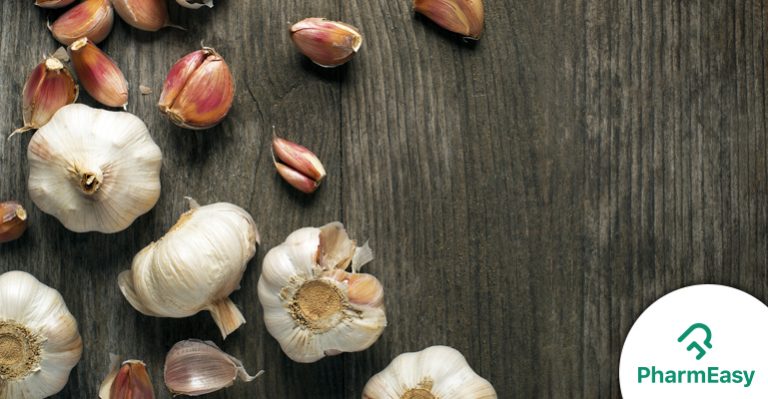
लहसुन (Garlic): एक रसोई का सुपरहीरो
Meena, 45, a homemaker from Jaipur, noticed a persistent cough that wouldn't go away, even after a month. Her grandmother, a firm believer in home remedies, insisted she chew on a couple of raw garlic cloves every morning on an empty stomach. Skeptical but desperate, Meena tried it.
Within a week, her cough subsided significantly, and she felt a general boost in her energy. This anecdote, common in many Indian households, highlights the profound, albeit often understated, medicinal qualities of garlic, a staple in Indian kitchens and traditional medicine for centuries.
Garlic (Allium sativum), known as 'लहसुन' in Hindi, is more than just a flavour enhancer for our curries and dals. It’s a potent natural remedy, packed with beneficial substances that offer a wide array of wellness advantages. Practically speaking, incorporating garlic into your daily diet is one of the simplest and most effective ways to bolster your well-being. Have you ever wondered why this pungent bulb has been revered across cultures and eras for its therapeutic potential?
लहसुन के औषधीय गुण और स्वास्थ्य लाभ
हृदय स्वास्थ्य का रक्षक
Garlic's impact on cardiovascular health is perhaps its most celebrated benefit. Studies suggest it can help lower blood pressure, a significant risk factor for heart disease and stroke. Research published in the Journal of the American College of Cardiology indicated that garlic supplements can reduce systolic blood pressure by an average of 5-10 mmHg and diastolic pressure by 3-6 mmHg in hypertensive patients. This effect is attributed to its ability to stimulate the production of nitric oxide, a molecule that relaxes blood vessels, thereby improving circulation.
Additionally, garlic is known for its cholesterol-lowering qualities. It has been shown to reduce total cholesterol and LDL ('bad') cholesterol, particularly in individuals with high cholesterol.
A meta-analysis of clinical trials found that garlic consumption could lower total cholesterol by 17% and LDL cholesterol by 12%. 1% of all deaths according to the Indian Heart Association.
What most people miss: The active ingredient, allicin, released when garlic is crushed or chopped, plays a vital role in these heart-protective effects. For maximum benefit, it’s often recommended to consume raw or lightly cooked garlic.
रोग प्रतिरोधक क्षमता को बढ़ावा
A robust immune system is our first line of defence against infections. Garlic contains beneficial substances like ajoene and allicin, which possess notable antibacterial, antiviral, and antifungal qualities.
Here's where it gets interesting.
These ingredients can stimulate various types of white blood cells, enhancing the body's ability to fight off pathogens. Regular consumption of garlic may reduce the severity and frequency of widespread illnesses like the cold and flu.
A study conducted by the University of Florida found that garlic supplements helped reduce the duration of flu symptoms by 61%. Given that the monsoon season in India often brings a surge in infections, incorporating garlic can be a wise preventive measure.
The World Health Organization (WHO) also acknowledges garlic’s potential therapeutic uses, though it stresses the need for more robust clinical trials for specific conditions.
एंटीऑक्सीडेंट से भरपूर
Oxidative stress, caused by an imbalance of free radicals and antioxidants in the body, contributes to aging and various chronic diseases, including cancer. Garlic is a rich source of antioxidants that aid protect the body against cell damage.
These antioxidants neutralize harmful free radicals, thereby reducing the likelihood of chronic ailments. Research suggests it may play a role in preventing certain types of cancer, such as stomach and colorectal cancer, although more studies are needed.
Here's where it gets interesting.
The antioxidant capacity of garlic is substantial. Studies have shown that garlic extracts can protect against radiation-induced damage and organ damage, highlighting its protective capabilities. This is particularly relevant in contexts where exposure to environmental toxins might be higher.
ब्लड शुगर नियंत्रण में सहायक
For individuals managing diabetes, garlic can be a valuable addition to their diet. While not a substitute for medication, garlic has shown potential in improving insulin sensitivity and helping to regulate blood sugar.
Over 101 million Indians currently live with diabetes (ICMR, 2023), making blood sugar management a critical public health concern. Some studies indicate that garlic components can lower fasting blood glucose and improve glucose tolerance.
Here's the thing — while garlic can be beneficial, its effect on blood sugar might vary among individuals. It's essential to monitor blood glucose closely when incorporating it into a diabetic diet plan. Consulting with a healthcare provider or a registered dietitian is paramount.
Recovery is rarely linear.
एंटी-इंफ्लेमेटरी गुण
Inflammation is the body's natural response to injury or infection, but chronic inflammation is linked to numerous health problems, including arthritis, heart disease, and autoimmune disorders. Garlic possesses potent anti-inflammatory qualities that can enable mitigate inflammation throughout the body.
The sulfur components in garlic are believed to be responsible for these effects, suppressing inflammatory pathways and molecules.
अन्य संभावित लाभ
Beyond these major benefits, garlic may also contribute to improved athletic performance by reducing fatigue and increasing strength. Its antibacterial qualities can enable combat foodborne illnesses, and some research points towards its benefits for bone health, particularly in postmenopausal women, by helping to increase estrogen.
लहसुन का पोषण मूल्य
A single clove of raw garlic (approximately 3 grams) is low in calories but surprisingly nutrient-dense. It provides:
- Calories: Around 4-5 kcal
- Carbohydrates: About 1 gram
- Protein: Less than 1 gram
- Fibre: A small amount
- Vitamins: Notably Vitamin C, Vitamin B6
- Minerals: Contains Manganese, Selenium, Potassium, Calcium, and Phosphorus in trace amounts
The real magic, however, lies in its bioactive ingredients, primarily sulfur compounds like allicin, diallyl disulfide, and diallyl trisulfide. These ingredients are responsible for garlic's characteristic odour and its powerful medicinal effects.
The nutritional profile, while modest in macronutrients, is exceptionally rich in these phytonutrients.
लहसुन का उपयोग कैसे करें
Incorporating garlic into your diet is easy and versatile. Here are some popular methods:
कच्चा लहसुन
Chewing 1-2 raw garlic cloves on an empty stomach in the morning is a traditional remedy, especially popular for boosting immunity and fighting infections. To reduce the pungency, you can finely chop or crush the garlic and let it sit for 10 minutes to allow allicin to form before consuming.
Recovery is rarely linear.
Some people mix it with a little honey or swallow it quickly with water.
पका हुआ लहसुन
Roasting, sautéing, or adding garlic to your cooking imparts a milder flavour and aroma. Roasted garlic, with its sweet and mellow taste, can be spread on toast or added to mashed potatoes.
Sautéed garlic is a base for countless Indian dishes, from vegetable stir-fries to lentil preparations. Remember that prolonged high-heat cooking can diminish some of garlic's beneficial ingredients, so light sautéing or adding it towards the end of cooking is often preferred.
लहसुन का तेल और पेस्ट
Garlic oil can be made by infusing garlic cloves in a carrier oil like olive or coconut oil. This infused oil can be used for cooking or as a topical application for certain skin conditions (with caution and patch testing).
Garlic paste, made by grinding fresh garlic cloves, is a fundamental ingredient in many Indian recipes, providing a flavourful punch.
सावधानियां और विचार
While garlic is generally safe for most people when consumed in culinary amounts, excessive intake, especially of raw garlic, can lead to digestive issues like heartburn, gas, and diarrhoea. It can also interact with certain medications, particularly blood thinners like warfarin, increasing the chance of bleeding.
If you are on medication or have a bleeding disorder, it is crucial to consult your doctor before significantly increasing your garlic intake or taking garlic supplements.
Worth knowing: The pungent smell associated with garlic consumption is due to sulfur compounds, which are excreted through breath and sweat. While this might be a social concern for some, it's a sign that you're consuming a potent health-boosting food!
Recovery is rarely linear.
But why does this happen? The sulfur compounds are metabolized in the body and their byproducts are released through the lungs and skin, causing the characteristic odour. For many, the health advantages far outweigh this temporary inconvenience.
मुख्य बातें (Key Takeaways)
- Garlic is rich in bioactive ingredients like allicin, known for potent medicinal qualities.
- It significantly benefits heart health by lowering blood pressure and cholesterol; over 28% of Indian deaths are due to cardiovascular diseases.
- Garlic boosts the immune system and has antibacterial, antiviral, and antioxidant properties.
- It may aid in blood sugar regulation, which is crucial for the 101+ million Indians living with diabetes.
- Consume garlic raw for maximum benefits, but moderate intake is advised to avoid digestive upset.
Always consult a qualified physician before making any medical decisions.